
Last updated November 25, 2026
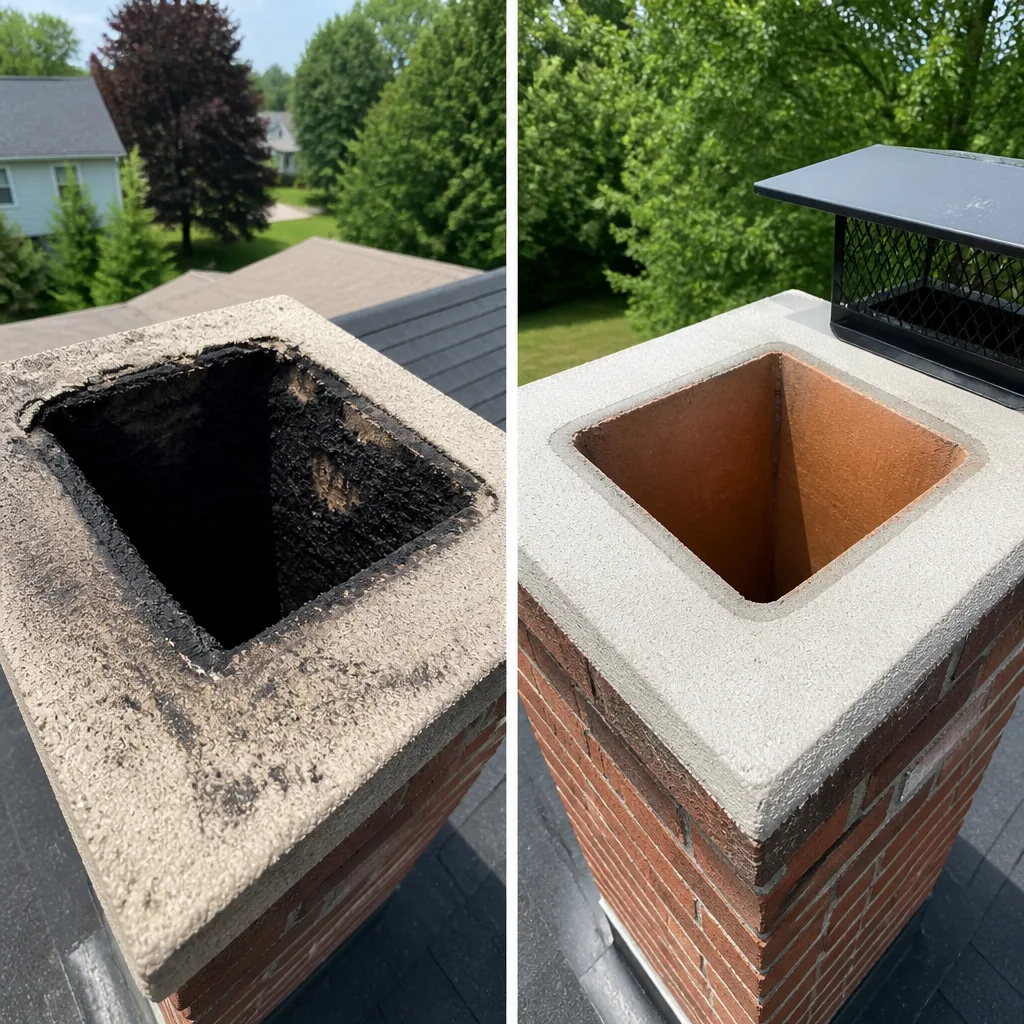 Sweep & inspection
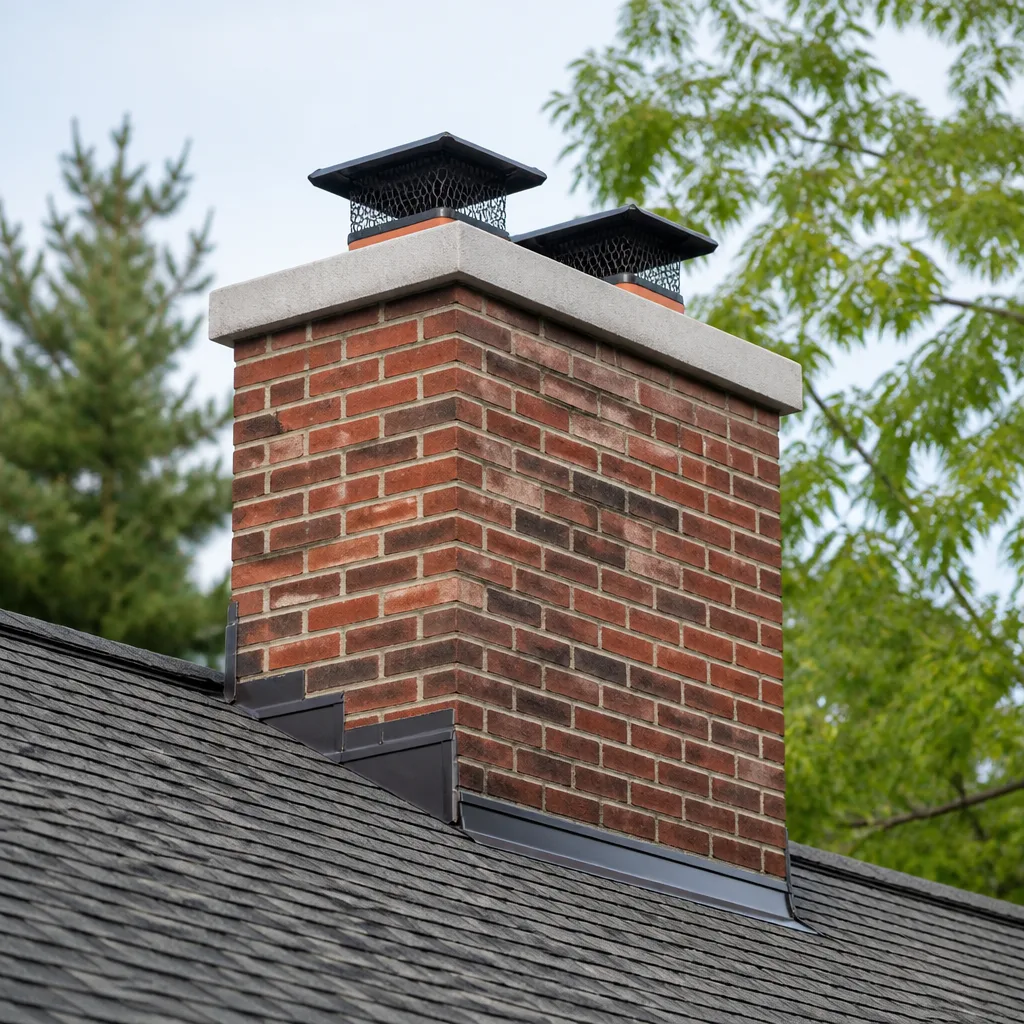 Caps & crowns
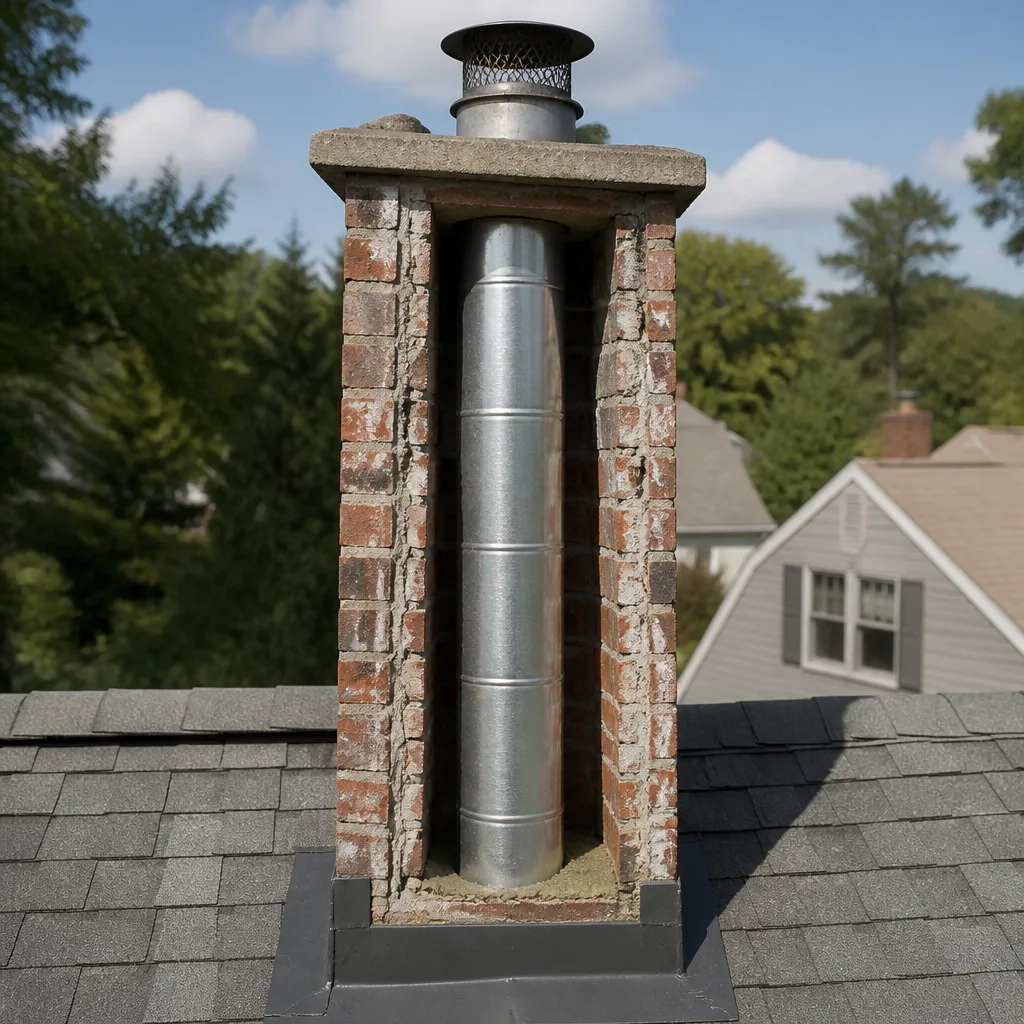 Flue relining
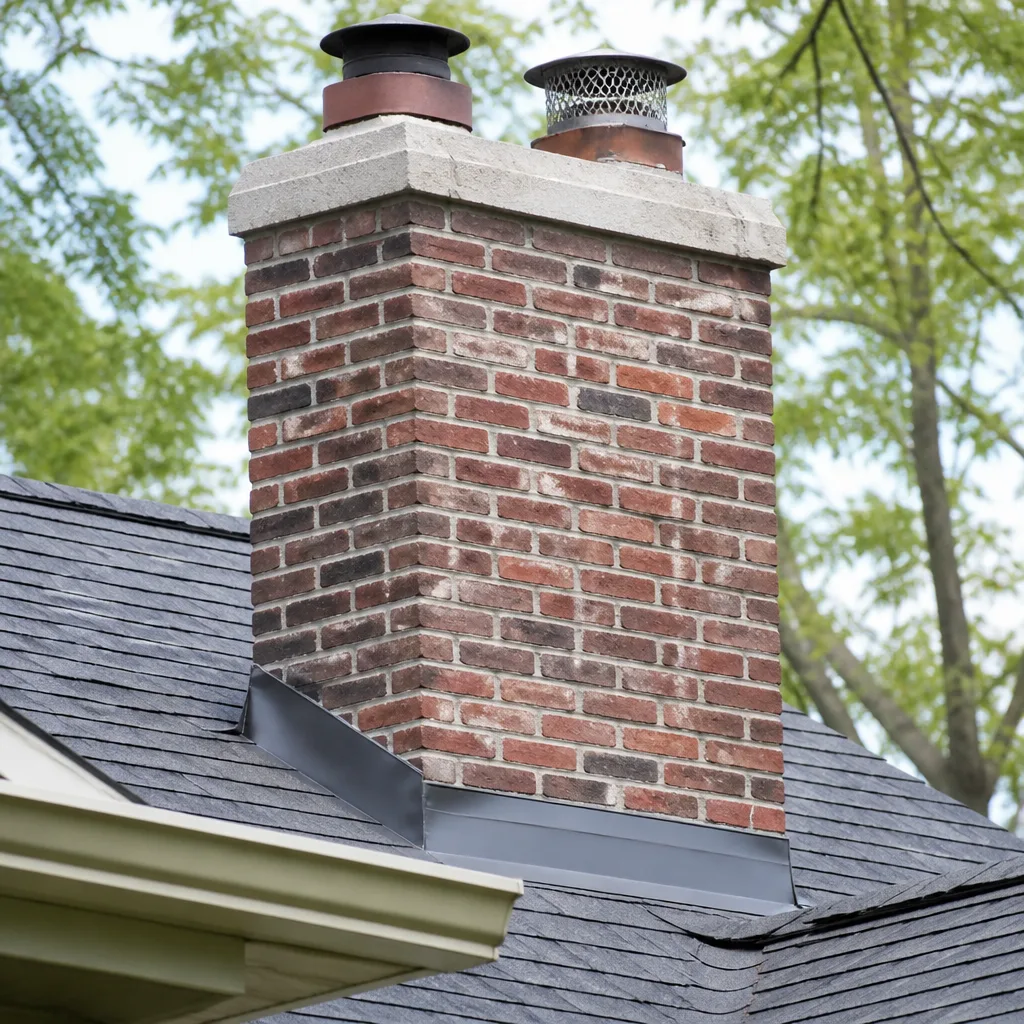 Masonry repair
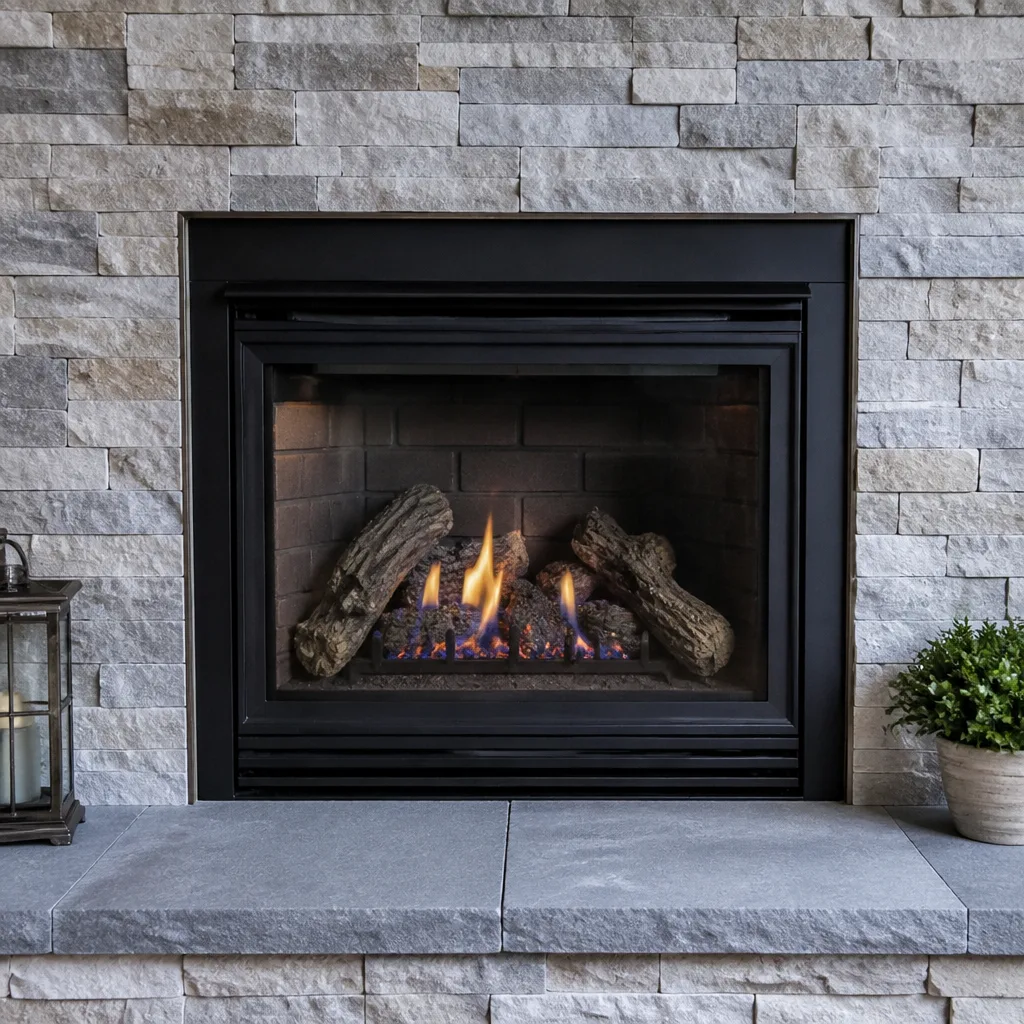 Gas fireplace service
Level 1 sweep and inspection to the NFPA 211 annual standard - flue, crown, cap, and flashing checked and photographed
Chimney sweep logs do not sweep chimneys. They loosen some creosote - which then falls where a brush and vacuum still have to collect it.
Seasonal Chimney Cleaning Care for Provo: Year-Round Homeowner’s Guide
Most Provo homeowners think about the chimney twice a year: once when the first cold snap hits and once when they stop lighting fires in spring. That schedule misses almost everything. Spring is when Provo chimneys take the most damage, because the moisture that worked its way in through a cracked crown or a failed mortar joint all winter finishes the job in March and April while nobody is watching. By the time you light your first fall fire, the problem has had six months to get worse.
This guide assigns a specific job to each season. You’ll learn what freeze-thaw cycling does to crowns and mortar in Provo, why summer UV matters to a stainless liner, the pre-season checklist that should be finished before your first fire, and how to spot draft and creosote problems in winter without opening the flue during a cold snap. We’ll also show you how to build a twelve-month chimney log so any technician can read trend data instead of a single snapshot.
Quick Answer
Chimney care in Provo works on a four-season cycle: spring is for water and freeze damage assessment, summer is for cap, crown, and liner inspection before nesting season, fall is for the pre-season sweep and safety check, and winter is for monitoring draft, smoke rollout, and glazed creosote during heavy use. One annual sweep covers cleaning, but it doesn’t cover the seasonal failure modes that each season creates in a chimney system, and those are what actually shorten a chimney’s life.
Styles & brands we work with
- Sweep & inspection
- Caps & crowns
- Flue relining
- Masonry repair
- Gas fireplace service
Table of Contents
- Why Provo’s Four Seasons Each Damage Your Chimney Differently
- Spring: Freeze-Thaw Damage and Water Repellent Timing
- Summer: UV, Heat Cycling, and Nesting Season
- Fall: The Pre-Season Checklist Before Your First Fire
- Winter: Draft Problems, Smoke Rollout, and Glazed Creosote
- Building a Twelve-Month Chimney Log
- What Provo’s Climate and Housing Stock Mean for Your Flue
- Common Mistakes to Avoid
Why Provo’s Four Seasons Each Damage Your Chimney Differently
A chimney is one of the few parts of a house that is exposed to the full weather cycle on all four sides, top to bottom, with no shelter. In Provo, that cycle is sharp. Summers run hot and dry with intense high-altitude sun. Winters bring repeated freeze-thaw cycles as daytime melt refreezes overnight. Spring delivers the moisture load. Fall brings wind-driven debris and the first temperature swings.
Each of those conditions attacks a different part of the system. Masonry expands and contracts with temperature, and water that has soaked into brick or mortar does the most damage when it freezes and expands. A stainless liner doesn’t crack from frost, but it does live inside a masonry shell that moves, and heat cycling plus UV exposure on the cap and top plate stress the connections. Creosote formation is a winter issue tied to fire behavior, not weather directly. Debris blockages are mostly a fall and summer problem.
A single annual sweep handles the cleaning layer. It doesn’t tell you whether your crown shed a section of its surface over the winter, whether a bird built a nest in the flue in June, or whether your liner connections loosened during a summer of expansion and contraction. That’s why the seasonal approach matters: each season puts a different component under stress, and the check should match the stress.
If you’ve never had a proper inspection, start there. An inspection aligned with NFPA 211 standards looks at the entire system, from firebox to flue cap, and identifies hazards before they become house fires. You can read more about that process on our chimney inspection page, or book a routine chimney sweep to get a baseline reading on your system’s current condition.
Spring: Freeze-Thaw Damage and Water Repellent Timing
Spring is the season Provo homeowners ignore, and it’s the one that decides how much your chimney will cost you over the next decade. Water is the primary destroyer of masonry chimneys. It gets in through cracks, failed mortar joints, a cracked crown, or a missing cap, freezes overnight, expands, and pushes the masonry apart a little more each cycle. By the time you can see the damage, it’s usually been happening for several winters.
What to look for in March and April
Spalling is the visible signature of freeze-thaw damage. Look at the crown (the concrete or mortar cap at the very top of the chimney) and the mortar joints between bricks. Spalling shows up as:
- Flaking or peeling surfaces on the crown, where a thin layer has separated and is lifting away
- Crumbling or sandy texture in mortar joints, especially on the north-facing side that dries slowest
- Chunks of masonry or mortar collecting on the roof or in the gutter directly below the chimney
- Hairline cracks in the crown that run from the flue opening outward
- White, powdery staining on brick faces, which indicates moisture moving through the masonry
The crown is the most critical piece. Its job is to shed water away from the flue and the masonry below. Once it cracks, water runs straight into the chimney structure. A crown that has lost its slope or its surface needs repair, not a coat of paint over the top.
Why water repellent timing matters in Utah’s climate
Applying a breathable water repellent to masonry is genuinely useful, but the timing is what makes it work or fail. A repellent applied to masonry that is holding moisture traps that moisture inside, and the next freeze drives it deeper. In Provo’s climate the right window is a stretch of warm, dry weather after the masonry has had time to dry out, typically late spring into early summer, before the summer heat peak. Applying it in March while the brick is still saturated from snowmelt is the wrong move. Your technician should check moisture content, not just the calendar, before recommending an application. ChimneySaver is one of the products used for this kind of masonry protection, and it’s the kind of material decision a chimney specialist makes rather than a general handyman.
Spring is also the right time to have a chimney repair conversation if the inspection found spalling, a cracked crown, or a loose cap. Catching it before the summer storm season keeps a small repair from becoming a rebuild.
Summer: UV, Heat Cycling, and Nesting Season
Summer looks like the quiet season for a chimney. It isn’t. Two things happen between June and August in Provo that matter: the sun and heat cycle the top of the system hard, and birds and other animals look for a sheltered place to nest. Both are easier to catch in summer than in fall, when a blockage suddenly shows up as smoke in your living room.
UV and heat cycling on the top of the system
The chimney cap and crown take direct sun for months. UV exposure degrades sealants and accelerates surface breakdown on masonry and on the cap’s metal components. Meanwhile, daily heat cycling expands and contracts the metal components at the top of the flue, including the top plate and the cap’s fasteners and connections. A stainless liner doesn’t corrode from UV the way a cheap galvanized cap does, but the connections that hold it in place can loosen over a summer of expansion and contraction, and a loose connection at the top is a real hazard.
That’s why a summer cap inspection makes sense. It’s a quick check from the roof or with a camera: is the cap secure, are the screen and mesh intact, is the top plate sealed, is the crown still shedding water. A DuraFlex stainless liner system installed to code should still be verified at its top connection, not assumed to be fine because it was fine last year.
Nesting season and blockages
Birds, squirrels, and other animals will absolutely use an uncapped or damaged-cap flue as a nest site. A nest in the flue is a blockage, and a blockage is a house fire risk the first time you light a fire in the fall. Summer is when the nest gets built. Fall is when you discover it, usually because your first fire sends smoke into the room. Checking the cap and flue in July or August is far cheaper than finding out in October.
A properly installed chimney cap, with intact mesh, is the single most effective barrier against this. If your cap is damaged or missing, cap and crown installation is the fix, and it protects the investment you already have in the liner and masonry.
Summer maintenance list
- Inspect the cap from the roof: secure fasteners, intact mesh, no rust-through, no gaps.
- Check the top plate and liner connection for looseness or separation.
- Look at the crown for new cracks that opened during spring or early summer.
- Confirm no debris, leaves, or nesting material has collected in the flue.
- Check the firebox and damper for anything that moved over the off-season.
- Note all findings in your chimney log with the date.
If you find loose masonry, a damaged cap, or a cracked crown during the summer, get it handled before the fall rush. A chimney cap and crown repair in August is a simple job; the same repair in November is competing with everyone else who just discovered a problem.
Fall: The Pre-Season Checklist Before Your First Fire
Fall is the season everyone thinks of for chimney care, and it’s the right time for the cleaning and the full inspection. The goal is to complete the checklist in September, before your first fire, not after. Once you’ve burned a few fires into a dirty or blocked flue, you’ve already exposed your home to the risk you were trying to prevent.
The pre-season checklist
- Book the sweep and inspection. A full sweep removes soot and creosote from the flue, and a full inspection checks the entire system, not just the flue interior.
- Verify the cap is secure and the mesh is intact. Replace or repair before the first fire, not after.
- Check the damper. It should open fully, close fully, and seal. A damper that sticks open wastes heat; one that sticks closed is a carbon monoxide risk.
- Look for animal activity near the cap and flue. Nests, feathers, or droppings near the flue top are signs something got in.
- Test the draft with a low-smoke test fire. A small test fire with a window cracked open shows you quickly whether smoke pulls up the flue or rolls into the room.
- Check the firebox and the surround. Look for cracked brick, loose mortar, or damaged fireplace components.
- Record the date and findings in your log.
Creosote is the reason the cleaning matters. Every wood fire deposits creosote in the flue, and creosote is flammable. A flue with heavy creosote buildup and a hot fire is the classic chimney fire setup. A sweep before the season removes what has accumulated; the inspection tells you what condition the system is in to handle another season.
What the inspection should cover
A chimney inspection aligned with NFPA 211 looks at the firebox, the damper, the smoke chamber, the flue, the liner, and the cap and crown. It’s checking for the components listed above, plus liner and flue integrity, and it’s identifying hazards before they become house fires. If the inspection finds liner damage, ask about the available options. HeatShield is a professional-grade liner restoration system that can in some cases restore the liner without a full replacement. That’s a material decision a chimney specialist makes after inspecting the actual condition of the flue. For a full rundown of what to expect, see our chimney sweep and inspection process.
Winter: Draft Problems, Smoke Rollout, and Glazed Creosote
Winter is the season you should be monitoring rather than disassembling. Heavy use is when the chimney works hardest, and it’s also when you’re least likely to want to open the flue or climb on the roof in the cold. The key is to know what to watch for and when to stop using the fireplace and call instead.
What to monitor during heavy-use months
- Smoke rollout. If smoke spills into the room when you light a fire, even briefly, stop and investigate. It can indicate a blockage, a draft problem, or a flue sizing issue. A small amount of smoke on a cold start is normal; persistent rollout is not.
- Draft quality. A healthy draft pulls smoke up and out firmly. A weak draft, a fire that’s hard to get going, a fire that smokes when the door is closed, or a fire that dies back are all signals worth logging.
- Glazed creosote. Heavy use and restricted draft produce glazed creosote, a hard, shiny, tarry deposit that’s harder to remove than the flaky type and more flammable. Glazed creosote is the reason winter chimney fires happen. You can’t always see it from the firebox, but a professional can. If your fireplace has been burning hot and often for months, get a mid-season check if you haven’t had one.
- Smell changes. A strong, distinct creosote smell in the room that wasn’t there before can indicate buildup or a draft problem.
- Damage after freeze events. If you notice new spalling or a crack in the firebox after a hard freeze, stop using the fireplace and have it checked.
Carbon monoxide is the reason to take it seriously
A blocked or damaged flue is a carbon monoxide exposure risk. Carbon monoxide is colorless and odorless, which is why working carbon monoxide detectors on every level of the home are essential when you burn any fuel indoors. This isn’t a scare tactic; it’s the physical reason chimney professionals take venting seriously. If your detectors ever alert, leave the home and call 911 first. Then have the chimney inspected before you use it again.
Winter habits that help
Burn dry, seasoned wood rather than wet or green wood. Wet wood produces more smoke and more creosote. Don’t overload the firebox or run the fire hot enough to risk a chimney fire. Keep the flue open while the fire is burning, and don’t close the damper until the fire is fully out and the flue has cooled. Build your fire with a hot, clean start rather than a slow smolder, and don’t leave a fire unattended. Keep the area around the hearth clear of combustibles.
Building a Twelve-Month Chimney Log
A chimney log is a simple, cheap habit that changes what a technician can tell you. A single inspection is a snapshot. A log is a trend line. When we can see that a crack in the crown grew a quarter inch over one winter, or that draft has been declining over three seasons, that’s a different level of diagnostic information than a single reading on a single day.
What to record, and when
- Date and season for every entry.
- What was checked: crown, mortar joints, cap and mesh, damper, firebox, flue and liner, and anything visible from the roof or ground.
- What you observed, in plain words. “Crown has a hairline crack on the north side” is a useful entry. “Looks fine” is not.
- Who did the work and what service was performed, including any brand of material used (DuraFlex liner, HeatShield restoration, chimney cap replacement, etc.).
- Photographs. Take pictures of the crown and cap from the roof or ground level each season. A series of photos showing slow change is more useful than any description.
- Draft notes in winter: any smoke rollout, smoke smell, or slow-starting fires, with the date and weather conditions.
- Carbon monoxide detector events, even if it turns out to be a low-battery alert. It’s a data point.
Why it matters
Two things happen when a technician can read your log. First, they can make better decisions about whether a liner is failing, whether a crown needs full replacement or just repair, and whether the system can safely handle another season. Second, you can stop guessing whether a “problem” is new or old. A crack that’s been on the crown for two years is a different concern than a crack that appeared last month.
Keep the log in a folder or a notes app, and bring it to every inspection and sweep. Photographs are the most valuable part, because they show change over time in a way a written note can’t. This habit is what makes your chimney care proactive instead of reactive.
What Provo’s Climate and Housing Stock Mean for Your Flue
Provo sits in a high-desert valley with lake-influenced moisture and sharp seasonal swings. That combination has specific chimney implications that a homeowner in a milder climate wouldn’t face. Winters bring repeated freeze-thaw days, where snowmelt from a warm afternoon refreezes overnight. That cycle is what drives spalling on crowns and mortar joints, and it’s why a crack that looks minor in fall can be significantly wider by spring. The dry summer air and intense sun at altitude also means the top of the chimney takes more UV than lower elevations would experience.
Provo’s housing stock includes a mix of older homes with original masonry chimneys and newer homes with fireplace inserts and gas appliances. Each has different needs. Older masonry chimneys are more vulnerable to the freeze-thaw cycle and to mortar joint breakdown, and often need liner assessment once they reach a certain age. Inserts and gas fireplaces need the flue and venting checked for the specific appliance, not just a general sweep. Gas appliances still need their venting checked, and they still produce carbon monoxide risk if venting fails.
If you’re unsure what kind of system you have, an inspection is the place to start. Knowing the type, age, and condition of your chimney tells you what the seasonal schedule should actually look like. Our team at Provo Chimney Sweep Pros works within five core services: sweeping, inspection, fireplace repair, chimney repair, and cap and crown installation, so the whole system gets looked at in one visit.
Common Mistakes to Avoid
- Treating the annual sweep as the entire maintenance plan. The sweep cleans the flue, but it doesn’t catch a crown that spalled over spring or a cap that loosened in summer. Each season needs its own check.
- Skipping the spring look at the crown and mortar joints. Spring is when freeze-thaw damage shows, and it’s when a repair is cheapest. By fall, the damage is deeper and the repair is bigger.
- Applying water repellent to wet masonry. In Provo’s climate, that traps moisture in the masonry and the next freeze drives it deeper. The masonry needs to be dry, and the timing needs to be right.
- Forgetting the cap and the mesh. A damaged cap or torn mesh is an open invitation for nesting birds and animals. Fall blockages are built in summer.
- Ignoring smoke rollout or a weak draft. Smoke in the room is a signal, not a minor nuisance. It’s a draft problem or a blockage, and both need a professional look.
- Burning wet or green wood. It produces more smoke and more creosote, and it’s the leading cause of glazed creosote, which makes the chimney harder to clean and more fire-prone.
- Not keeping a log. Without a record, you can’t tell whether a crack or a draft problem is new or old, and a technician can’t read trend data. A photo series and a few notes each season is the cheapest diagnostic tool you’ll ever own.
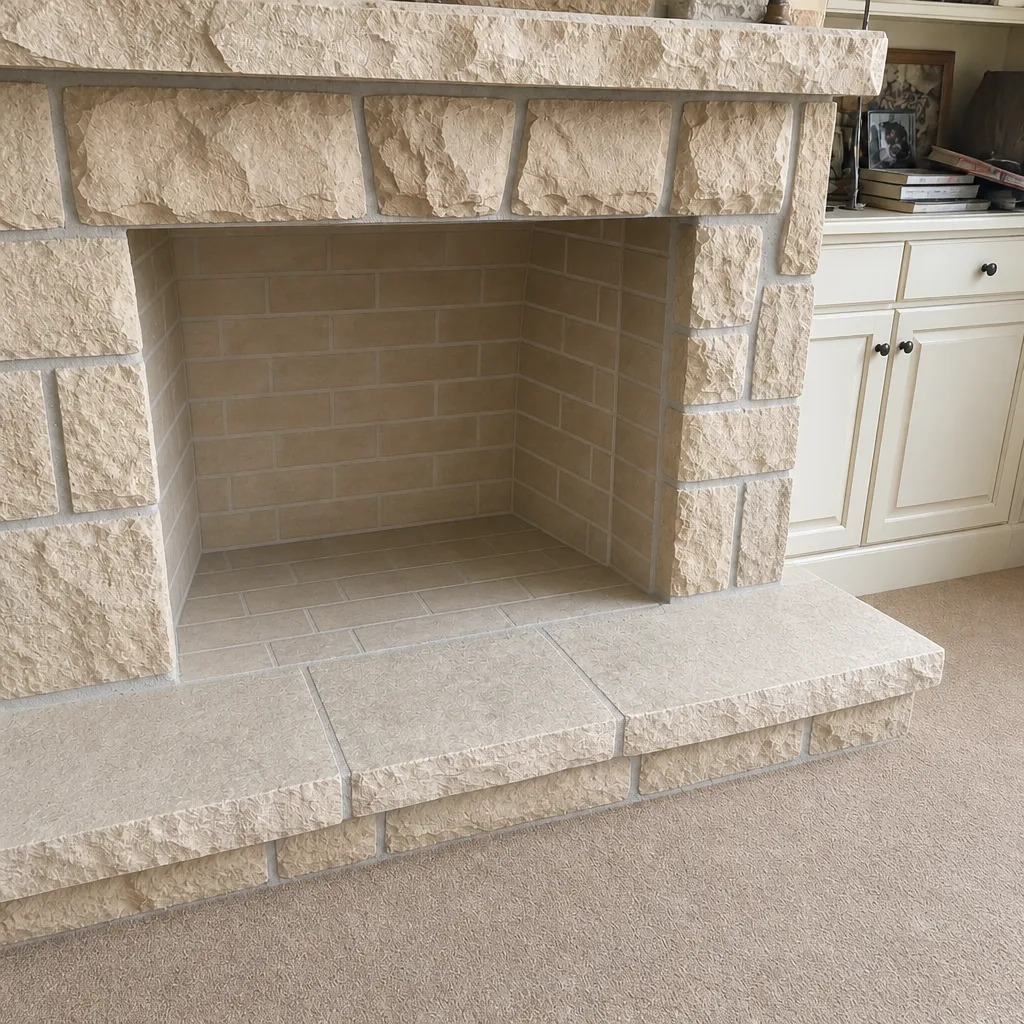
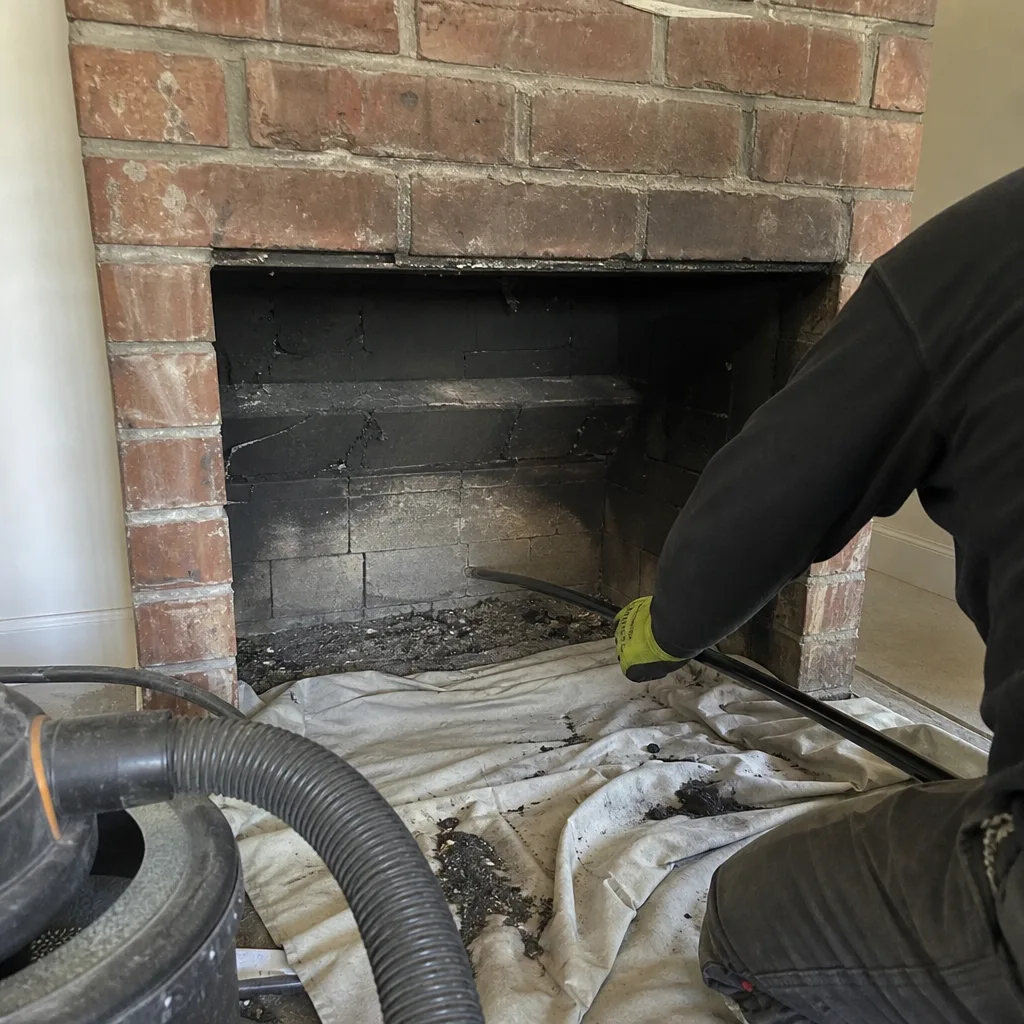
See the difference
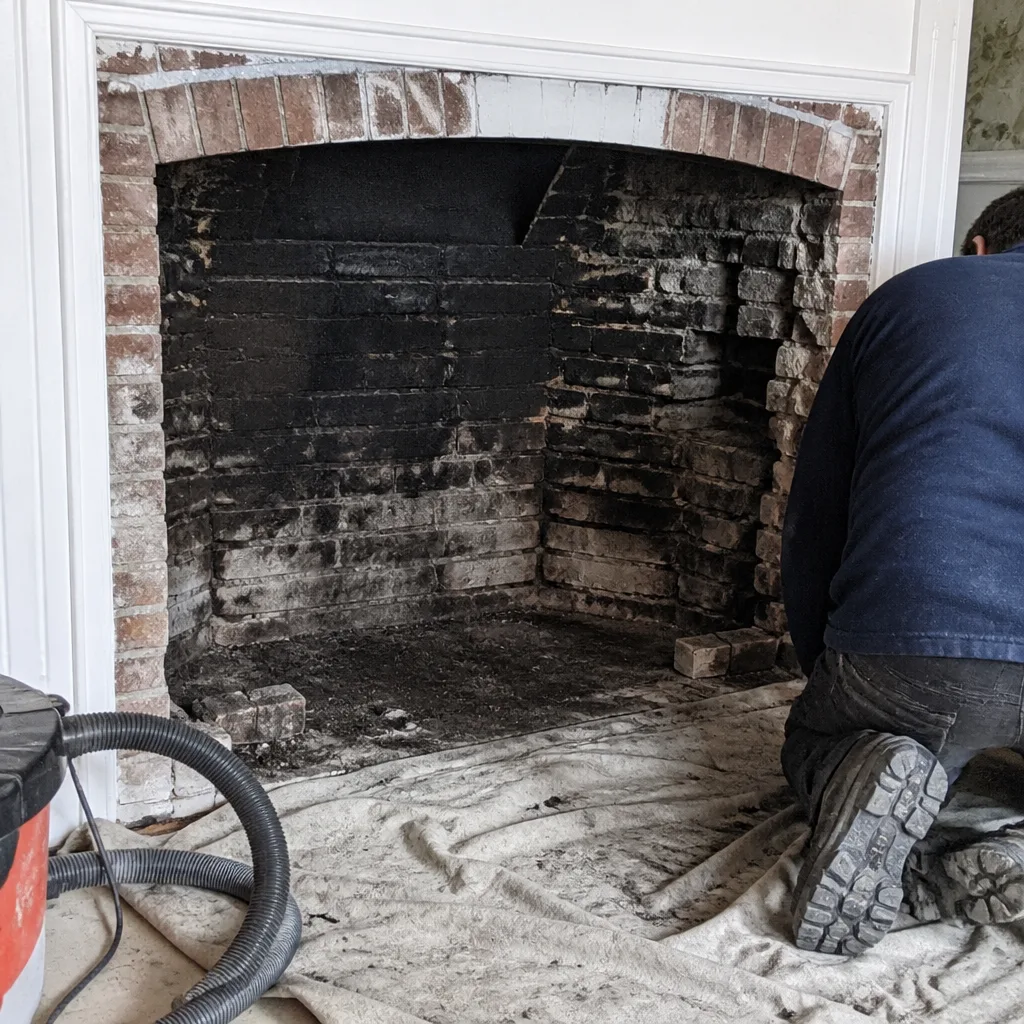 Before
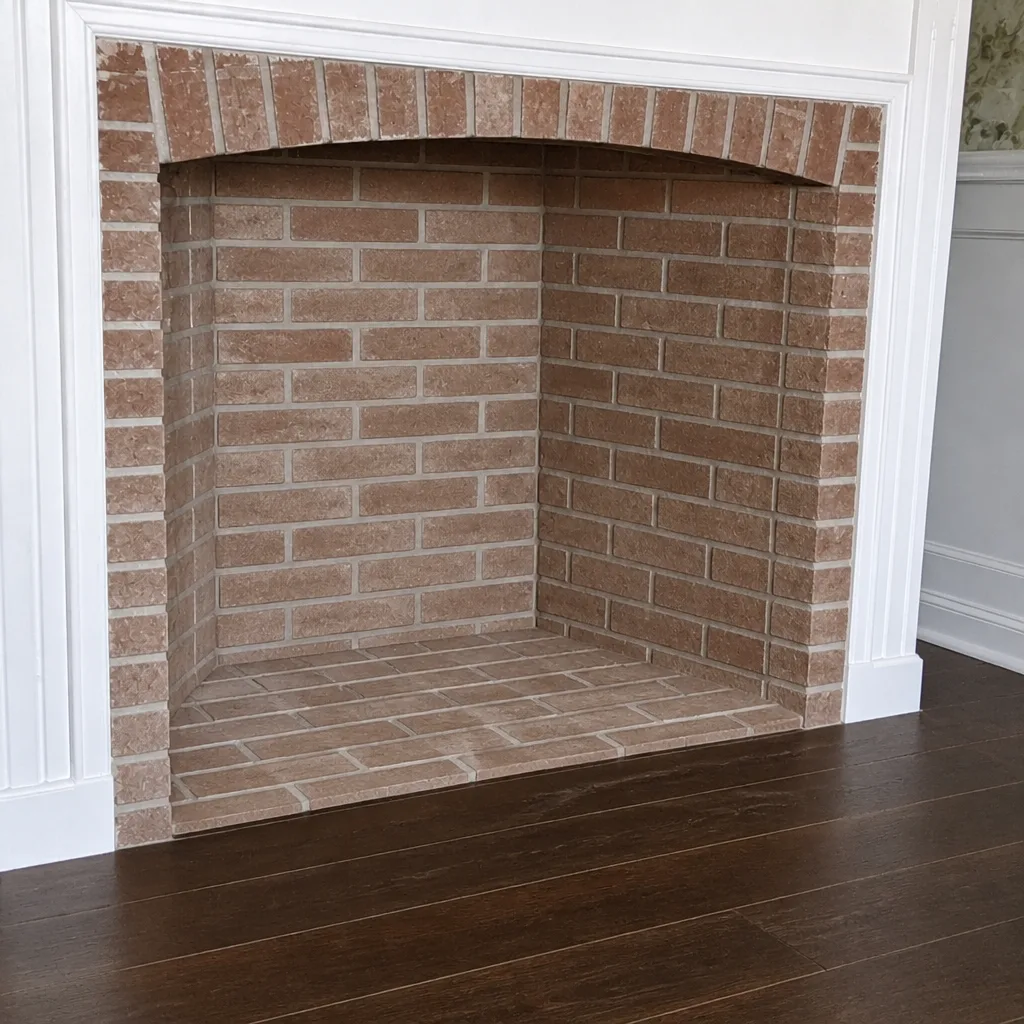 After
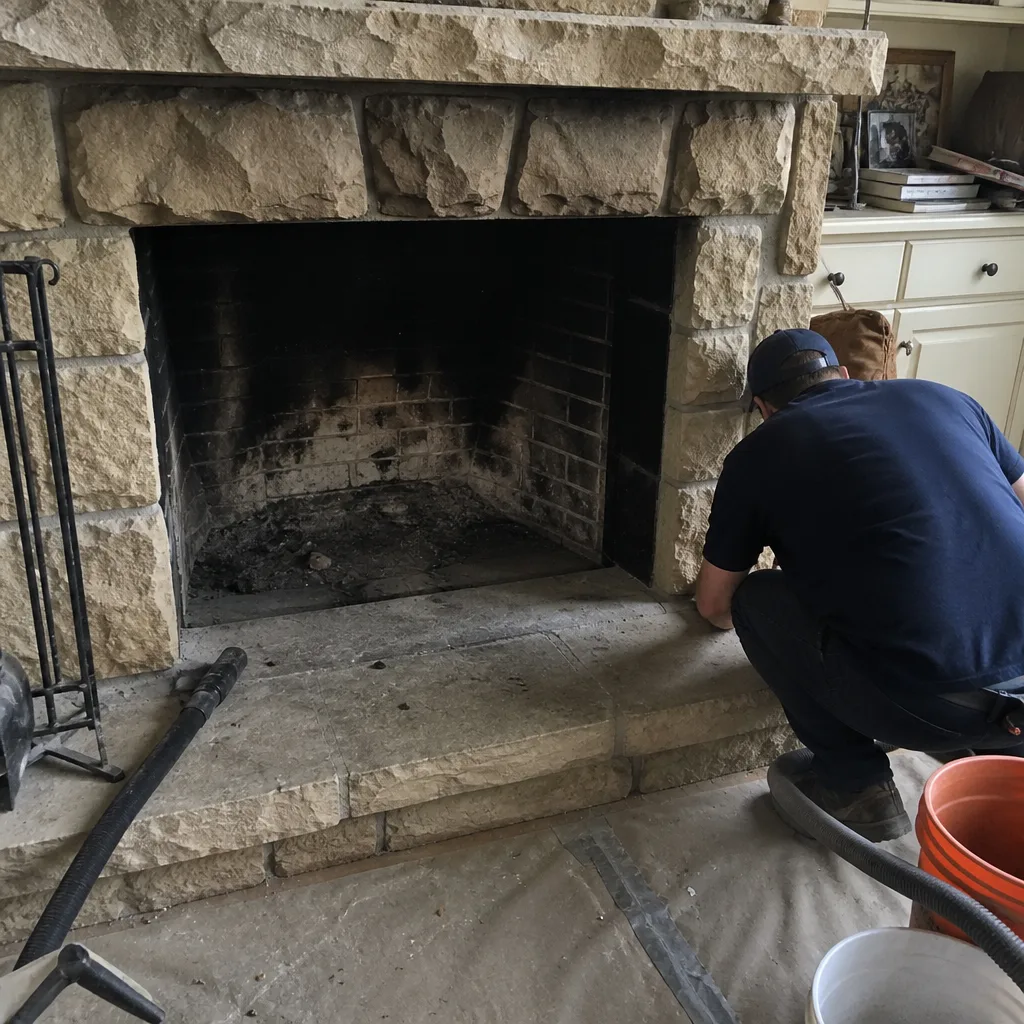 Before
 After
 Before
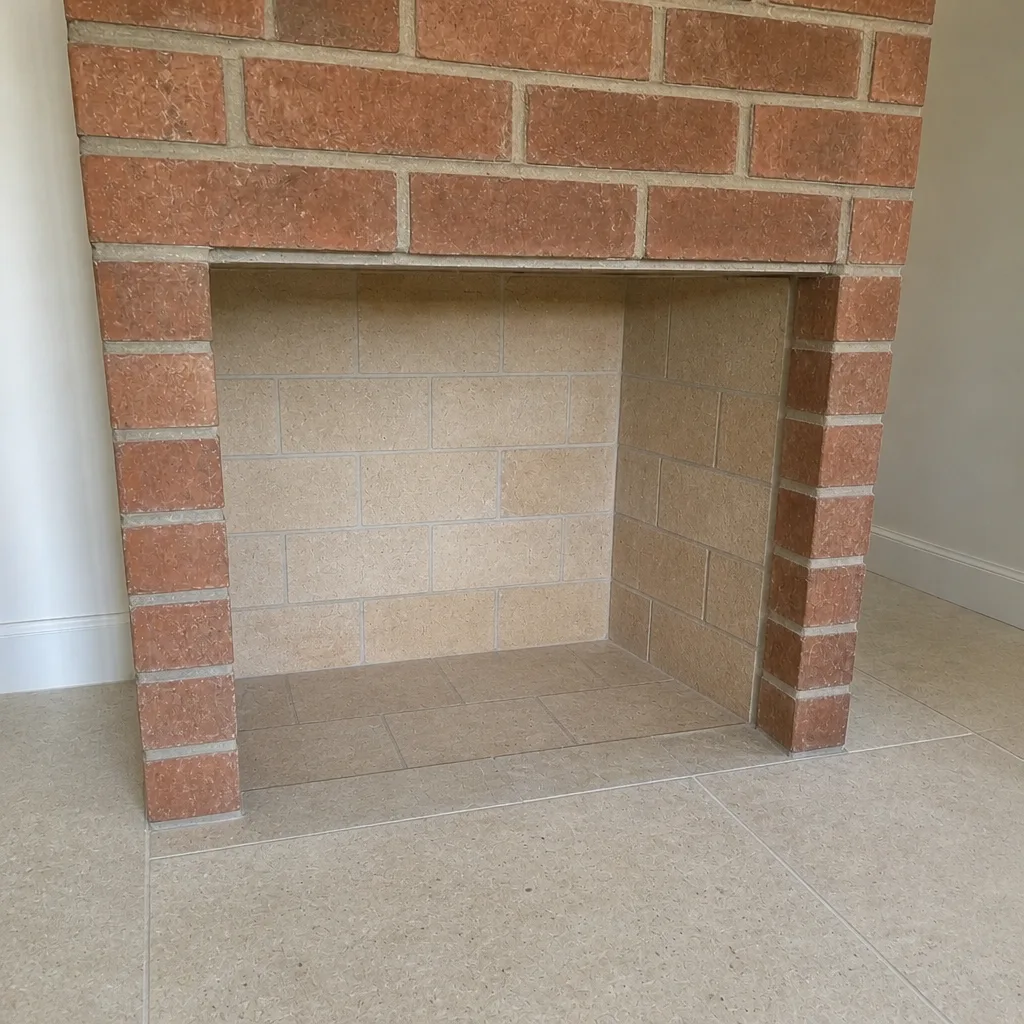 After
When to Call a Professional
Some tasks are fire-safety work and belong with a chimney specialist. Call us if you’ve never had an inspection, if you noticed smoke rolling into the room, if the draft has gotten weak, if you see cracked or spalling masonry on the crown or mortar joints, if you suspect a cap or mesh is damaged, or if the fireplace hasn’t been swept in over a year. Call if you smell a strong creosote odor in the room, if a carbon monoxide detector has alerted, or if a freeze event left new visible damage on the firebox or the chimney exterior.
Having a professional look at the system isn’t about selling you work. An inspection gives you the evidence to decide what’s urgent and what can safely wait. If your liner needs attention, HeatShield restoration may be an option instead of a full liner replacement, and a chimney specialist can tell you which is right based on what’s actually in your flue.
Provo Chimney Sweep Pros offers free estimates in Provo. Call (866) 937-8214. We answer 24/7. Fast dispatch from 7am to 7pm, Sunday through Friday.
Frequently Asked Questions
Once a year for most households that burn regularly, and more often if you burn a lot or notice heavy creosote buildup. A good rule is to have the flue swept before each heating season, and to have it inspected at the same time. Provo’s long heating season and freeze-thaw cycle make the pre-season sweep in fall the natural anchor for the annual schedule. If you burn hardwood frequently through the winter, a mid-season check can catch glazed creosote before it becomes a fire hazard. Call (866) 937-8214 for an exact quote; estimates are free.
Not necessarily. The decision should be based on what the inspection actually finds in your flue, not on a general recommendation. A cracked or misaligned liner may need repair or replacement, but in some cases HeatShield restoration is a viable alternative to a full liner replacement. That’s a material decision based on the flue’s condition and the type of appliance. A stainless DuraFlex liner is one option, and the right choice depends on the appliance and the flue. Never accept a liner recommendation without seeing the evidence from the inspection. Call (866) 937-8214 for an exact quote; estimates are free.
Creosote builds up in the flue, and heavy buildup is the classic setup for a chimney fire. Skipping the inspection also means small problems, like a cracked crown or a loosened cap, go unnoticed for a season or more, and they get more expensive to fix. Carbon monoxide is the other risk: a blocked or damaged flue can let exhaust into the home. None of this usually happens immediately, which is exactly why it’s easy to skip. Call (866) 937-8214 for an exact quote; estimates are free.
Before. The pre-season sweep and inspection should happen in September, ahead of your first fire. Once the first fire is lit, you’re already using a flue that hasn’t been checked for the season, and you may be burning into a buildup or a summer nest. The whole point of the fall checklist is to clear the system and verify it before you need it. If you’ve already had your first fire, book the sweep now and get the baseline checked before heavier use. Call (866) 937-8214 for an exact quote; estimates are free.
Stop and investigate. Smoke in the room usually points to a draft problem, a blockage (such as a nest or a heavy creosote deposit), or a flue sizing issue. A small puff when you first light a fire on a cold day can be normal, but persistent or repeated rollout is not. If you smell smoke or see it spilling inside, open a window, let the fire die, and have the system inspected before the next fire. Call (866) 937-8214 for an exact quote; estimates are free.
It does, and it’s the biggest reason spring matters. Water that gets into a crack, a mortar joint, or a spalling crown freezes overnight and expands, and that expansion widens the crack or drives the damage deeper with every cycle. In Provo’s climate that cycle repeats through winter and early spring, so a small crack from one fall can be a significantly larger problem by the next spring. The fix is cheap when it’s small and expensive when it’s not. Call (866) 937-8214 for an exact quote; estimates are free.
The Bottom Line
Seasonal care is the difference between a chimney that gets swept once a year and a chimney system that actually lasts. Spring is for freeze-thaw and water damage, summer is for the cap and nesting check, fall is for the sweep and full inspection before the first fire, and winter is for monitoring draft, smoke, and glazed creosote. Keep a chimney log with photos each season so any technician can read the trend, not just a snapshot. Fire safety belongs with a chimney specialist, and the inspection is what tells you what’s urgent and what can wait. Provo Chimney Sweep Pros offers free estimates in Provo. Call (866) 937-8214. We answer 24/7. Fast dispatch from 7am to 7pm, Sunday through Friday.
Written by the team at Provo Chimney Sweep Pros.