
Last updated November 25, 2026
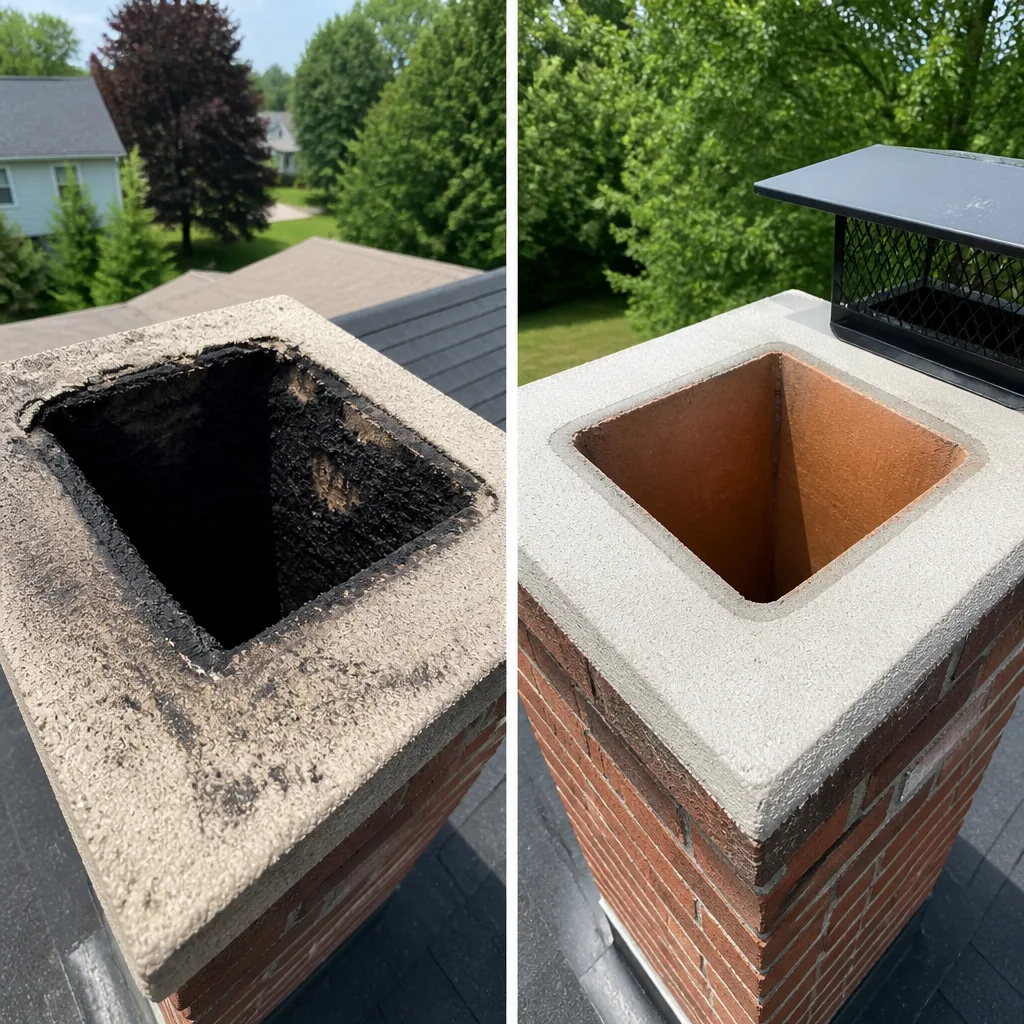 Sweep & inspection
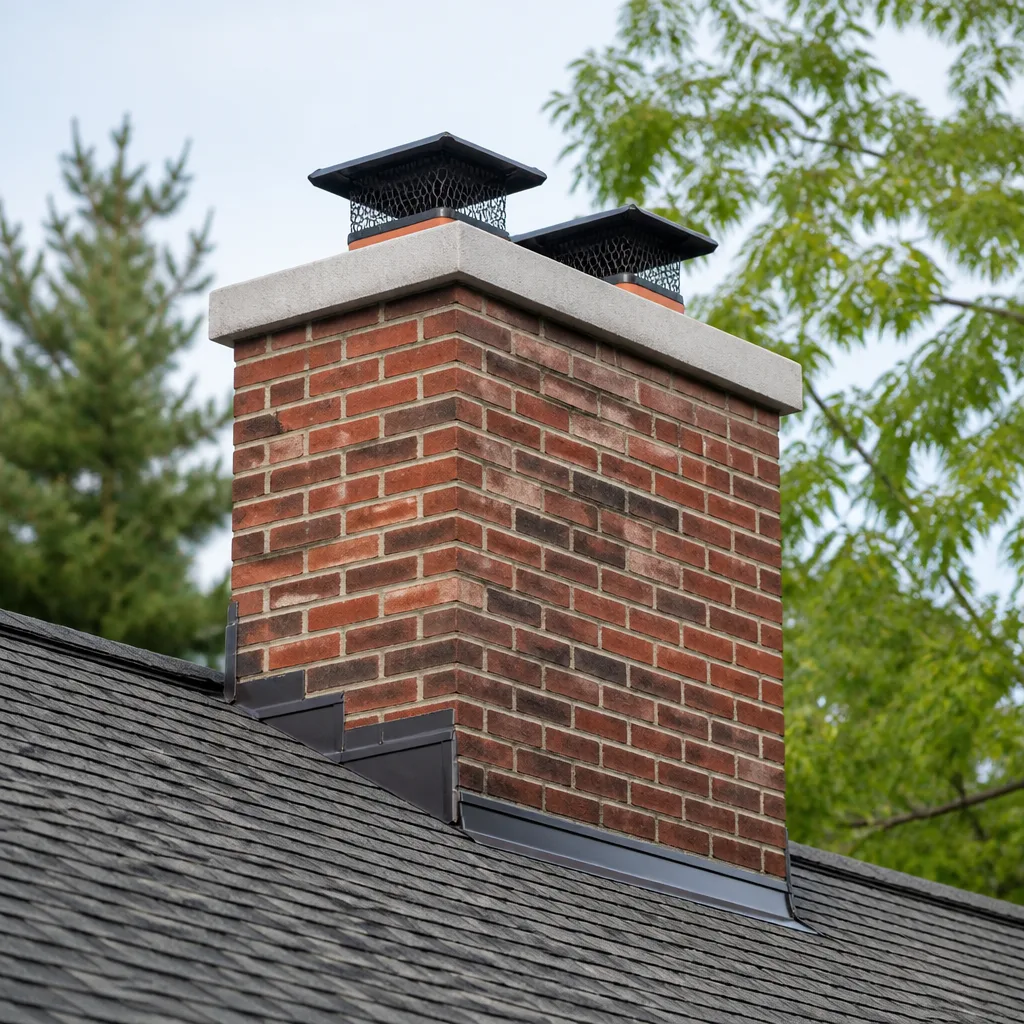 Caps & crowns
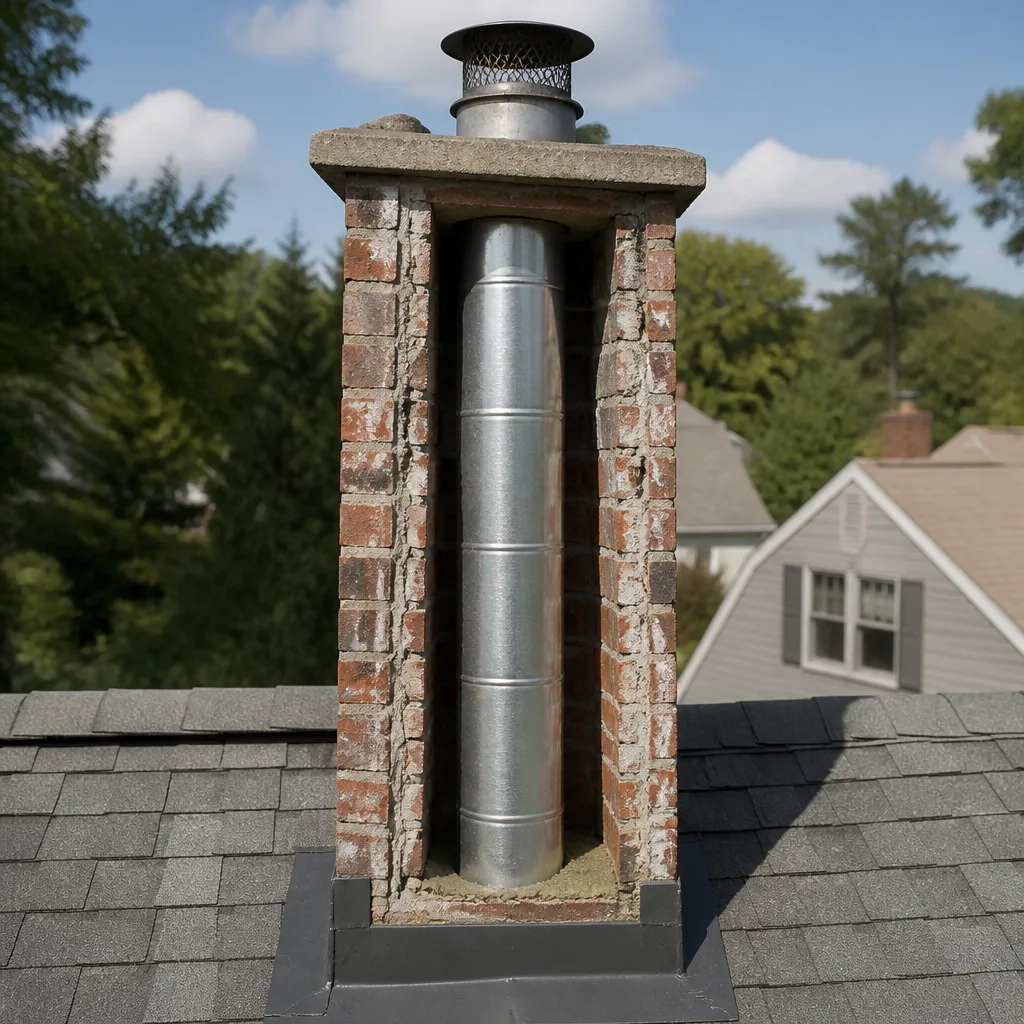 Flue relining
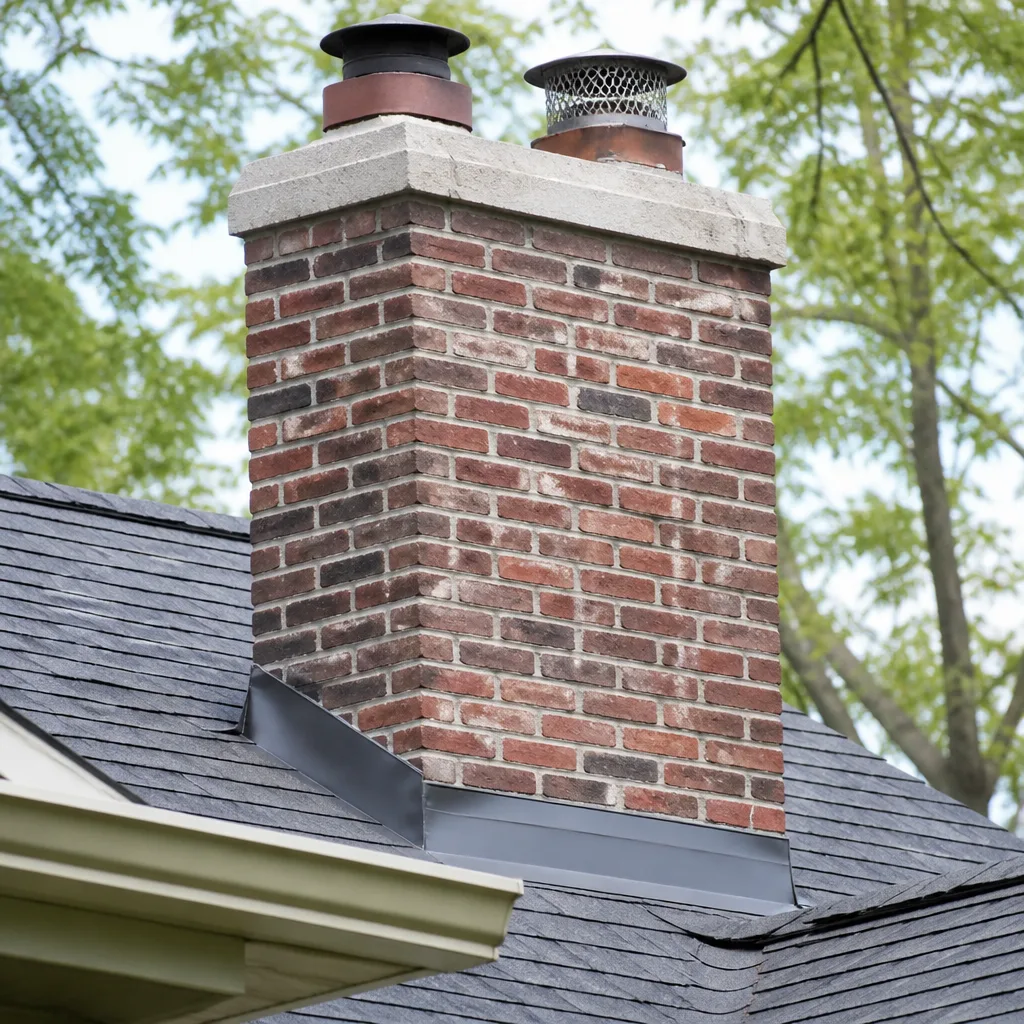 Masonry repair
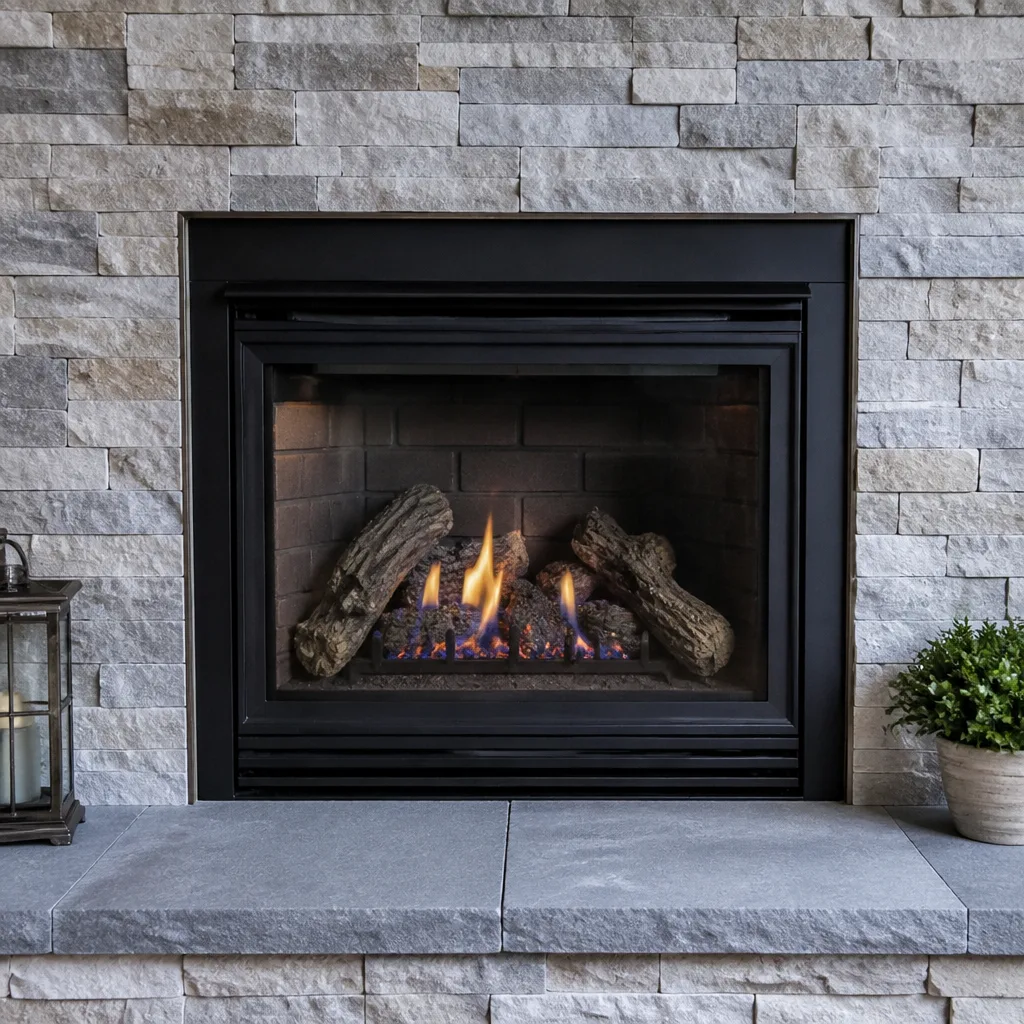 Gas fireplace service
Level 1 sweep and inspection to the NFPA 211 annual standard - flue, crown, cap, and flashing checked and photographed
Chimney sweep logs do not sweep chimneys. They loosen some creosote - which then falls where a brush and vacuum still have to collect it.
Chimney Cleaning Emergency Preparedness Guide for Provo Homes
Most homeowners believe the first thing to do when they suspect a chimney fire is to call 911. In the moment, that instinct can cost you the house. The correct sequence is to close the damper, get combustibles off the hearth, then call 911 – and you need to have that order memorized before the fire, not read it off a screen while smoke fills the room. This guide covers the 90-second response protocol, how to tell a fast-burning fire from a slow smoldering one, what to document about your flue before anything goes wrong, and why a chimney that survives a fire still can’t be used again until a Level 2 inspection proves the liner is intact. Everything here is written for Provo, where sealed winter homes and heavy wood-burning seasons make all of it matter.
Quick Answer
If you suspect an active chimney fire, close the damper, clear combustibles from the hearth area, get everyone out of the house, and then call 911. After any suspected chimney fire – even one that seemed to burn itself out – stop using the fireplace until a Level 2 inspection with video confirms the liner is intact. Before the first fire of the season, document your liner type, flue dimensions, fuel type, and last inspection date so responders and your insurer aren’t guessing at your flue configuration.
Styles & brands we work with
- Sweep & inspection
- Caps & crowns
- Flue relining
- Masonry repair
- Gas fireplace service
Table of Contents
- The 90-Second Chimney Fire Response Protocol
- Fast-Burning vs. Slow-Burning Chimney Fires
- What to Document About Your Chimney Before an Emergency
- After a Suspected Chimney Fire: The Post-Event Protocol
- Carbon Monoxide Preparedness as a Chimney Issue
- Creosote, Seasoning, and Provo’s Burning Season
- What a Level 2 Inspection Actually Involves
- Preparing Before the First Fire of the Season
The 90-Second Chimney Fire Response Protocol
An active chimney fire gives you roughly a minute and a half to make the right moves. Commit this sequence to memory now, while the house is quiet and nothing is burning.
- Close the damper. Cutting the air supply starves the fire of oxygen and slows it. This is the single most important action, and it’s the step people skip when they panic and reach for the phone first.
- Clear the hearth. Move rugs, firewood, kindling, magazines, and anything else combustible at least several feet back from the fireplace opening. Embers and sparks can throw out of an open firebox.
- Get everyone outside. Smoke and carbon monoxide build fast. Children, pets, and anyone elderly leave first. No one stays behind to watch.
- Call 911. Once people are clear, call. Tell the dispatcher it’s a chimney fire, give your Provo address, and say whether you see flames or heavy smoke from the roof.
- Don’t spray water into the flue. Water on a very hot firebox or flue can crack masonry and cast iron. Let trained responders handle suppression.
Keep a working flashlight near the fireplace and know where your gas shutoff is if you burn gas logs. Those two items cost nothing and save seconds when seconds matter. The order here is the whole point: contain, clear, evacuate, then call. Getting it backwards is how a contained flue event turns into a structure fire.
Fast-Burning vs. Slow-Burning Chimney Fires
Not every chimney fire announces itself with a roar. Knowing which type you’re facing changes how urgently you respond and what you tell the dispatcher.
Fast-burning (explosive) fires
- Loud roaring or a sound like a freight train or low-flying jet.
- Vibrations you can feel through the floor or hearth.
- Dense black or gray smoke and visible flames or sparks from the chimney top.
- A hot, almost buzzing sensation near the flue.
A fast-burning fire from a heavy creosote load is a genuine emergency. Do the 90-second protocol immediately. These fires can push temperatures high enough to damage the flue and ignite framing near the chimney.
Slow-burning (smoldering) fires
- A strong, acrid, tar-like smell that lingers.
- Puffs of smoke rising from the chimney at odd intervals.
- Little or no visible flame, but heat and a hazy shimmer at the flue top.
- Warped or discolored damper, or a cracked flue tile noticed later.
A smoldering fire is quieter but not harmless. It still damages the liner, and it’s often the one homeowners ignore because “the chimney looks fine.” Treat any suspicion of a chimney fire – loud or quiet – the same way: stop using the fireplace until it’s inspected. In our experience, smoldering events are the ones that lead to cracked tiles discovered much later, so a video inspection is what settles the question.
What to Document About Your Chimney Before an Emergency
When a fire crew or an insurance adjuster arrives, the last thing anyone should be doing is guessing at your flue configuration. Gather this information once, write it down, and keep it somewhere you can find fast – a folder near the door or a note on your phone.
- Liner type and material – stainless steel (rigid or flexible), clay tile, or a cast-in-place liner restored with a product like HeatShield.
- Flue dimensions – inside diameter or the flue tile size, and how many flues the chimney has.
- Fuel type – wood, gas logs, or a wood insert. Responders need to know what’s burning.
- Appliance details – make and model of any insert or stove.
- Last inspection date and result – the date and the level of inspection performed.
- Chimney cap type and crown condition – whether a cap is installed and whether the crown is intact.
- Any prior repairs – liner sections replaced, products like DuraFlex or Olympia Chimney components used, and when.
Your Provo Fire Department and your homeowner’s insurer will both want this. A clear record of liner type and inspection history speeds up an insurance claim and helps a fire crew understand what they’re dealing with inside the flue. This is the unglamorous part of emergency preparedness, and it’s the part most people skip.
After a Suspected Chimney Fire: The Post-Event Protocol
A chimney that survived a fire cannot be used again until a Level 2 inspection with video confirms the liner is intact. No exceptions, no “it looks okay.” Here’s why, and what to do in order.
- Stop all burning. Don’t relight to test whether it was really a fire. You can’t see a hairline crack in a flue tile from the firebox.
- Arrange a Level 2 inspection. This is the inspection standard for a post-event evaluation, including video scanning of the flue interior – the only way to see damage beyond the visible portions.
- Wait for the verdict before rebuilding fires. A damaged liner passes heat and embers into the chimney chase and nearby framing. That’s a structure fire waiting for a reason.
- Document the inspection for your insurer. A written report and photos support a claim and record the condition of the chimney going forward.
If the inspection finds damage, the repair isn’t automatically a full rebuild. Depending on what the video shows, a restoration product like HeatShield can sometimes repair a compromised flue lining without a complete liner replacement. That’s a real alternative that a cleaning-only service usually can’t offer, and it’s worth asking about specifically. Our chimney repair work starts with the video evidence so you can see the problem for yourself before anyone recommends a fix.
Carbon Monoxide Preparedness as a Chimney Issue
Carbon monoxide is the quiet emergency in this whole conversation, and a chimney problem is one of the most common ways it enters a home. In a sealed Provo house with the windows shut through a cold winter, a blocked flue or a failed liner can push CO into the living space instead of up and out.
Where to place CO detectors
- On every level of the home, including the basement.
- Outside each sleeping area, so a detector wakes you if CO builds overnight.
- Where the detector will actually be heard from the bedrooms it protects.
Flue conditions that make CO risk acute
- A blocked or missing cap – a nest, debris, or a collapsed crown can close the flue and force exhaust back into the room.
- A failed or cracked liner – combustion gases escape through the crack into the chase and the home instead of up the flue.
- A cold, oversized flue that won’t draft – common on old masonry chimneys in Provo’s cold snaps, when a flue that’s too large for the fire struggles to pull smoke upward.
If your CO detector alarms, get everyone outside and call 911, then have the chimney inspected before you use the fireplace again. A blocked cap or a failed liner is diagnosable and fixable. The point is to find it before it finds you. A proper Provo Chimney Sweep Pros inspection checks draft and flue integrity, which is exactly where CO risk starts.
Creosote, Seasoning, and Provo’s Burning Season
Chimney fires almost always come down to creosote – the tar-like residue that coats the flue when wood burns incompletely. The more creosote that builds up, the hotter and more dangerous a fire becomes. In Provo, the long, cold burning season and the popularity of wood heat mean creosote accumulates faster than many homeowners expect.
What drives creosote buildup
- Wet or unseasoned wood. Green wood burns cool and smolders, laying down heavy creosote. Seasoned hardwood burns hotter and cleaner.
- Cool, smoldering fires. Damping a fire down overnight keeps it going but sends a lot of unburned material up the flue.
- An oversized flue. Too much flue for the fire means cooler flue gases and more condensation of creosote on the walls.
The fix starts with fuel and draft. Burn dry, seasoned wood, don’t choke the fire down to a smolder, and get the flue swept at the right interval. Creosote comes in stages, from a light soot to a glazed, tar-like coating that’s much harder to remove – which is why catching it early matters. Our chimney sweep service clears the flue and reports the creosote stage so you know where you stand before the season gets deep.
What a Level 2 Inspection Actually Involves
A Level 2 inspection is the standard for a post-fire check, a home sale, a change in fuel type, or any suspected problem. It goes beyond what you can see from the firebox, which is the whole reason it exists.
- Video scanning of the flue interior – a camera run the length of the flue to reveal cracks, gaps, separations, and creosote glazing.
- Accessible portions of the chimney exterior – checking the crown, cap, flashing, and masonry for damage or gaps.
- Attic, crawlspace, and chase where accessible – looking for signs of heat transfer or water intrusion.
- Draft and ventilation check – confirming the flue actually pulls, which ties directly to CO risk.
- A written report with photos – so you can see what the technician saw.
Our inspections are aligned with NFPA 211 standards, the benchmark for identifying hazards before they become house fires. The value of a video inspection is that it removes the guesswork: you’re not being told to trust a recommendation, you’re being shown the condition of your own flue. If you’ve never had an inspection, this is the place to start, and our chimney repair team builds any fix on top of that evidence.
Preparing Before the First Fire of the Season
Preparedness is mostly done in the quiet weeks before the first cold snap in Provo, not in the middle of a chimney fire. Work through this checklist once and you’re set for the season.
- Get a sweep and inspection done before the burning season starts, so creosote and any flue problems are cleared while it’s convenient.
- Write down your system documentation – liner type, flue dimensions, fuel type, and last inspection date – and keep it where you can grab it.
- Test your CO detectors on every level and outside each sleeping area, and replace batteries.
- Check the cap and crown. A missing or damaged cap lets in water, debris, and animals; a cracked crown lets water into the masonry. Both are fixable now and expensive later.
- Stock dry, seasoned wood and keep a flashlight by the hearth.
- Review the 90-second protocol with everyone in the house, out loud, once.
Cap and crown work is part of this because it protects everything underneath. A cap keeps rain, birds, and debris out of the flue; a sound crown sheds water off the chimney top. We install caps and crowns precisely because cleaning and walking away leaves the investment exposed. Our fireplace repair service covers the firebox end of the same system, so the whole chimney – from firebox to flue cap – gets handled by one specialist instead of three contractors.
Common Mistakes to Avoid
- Calling 911 before closing the damper. The phone call matters, but the first move is to cut the air supply. Reversing the order lets the fire grow while you’re on the line.
- Assuming a quiet fire was no fire. A smolder-and-odor event still damages the liner. Treat any suspicion as a reason to stop burning and get a Level 2 inspection.
- Relighting to “check” after a suspected fire. You can’t see a flue-tile crack from the firebox. Test-firing a damaged flue is how a repairable problem becomes a structure fire.
- Skipping the documentation. In Provo, arriving responders and your insurer both need your liner type and flue configuration. Guessing wastes critical time and slows a claim.
- Letting creosote build season after season. Waiting too long between sweeps lets light soot turn into glazed creosote that’s far harder to remove and far more flammable.
- Ignoring CO detectors near the fireplace. A blocked cap or failed liner pushes carbon monoxide into a sealed winter home. Detectors outside sleeping areas are not optional in a house with a chimney.
- Hiring a generalist to look at a chimney problem. Chimney systems have their own diagnostics – draft, flue sizing, liner integrity. A focused chimney specialist catches what a general contractor doesn’t.
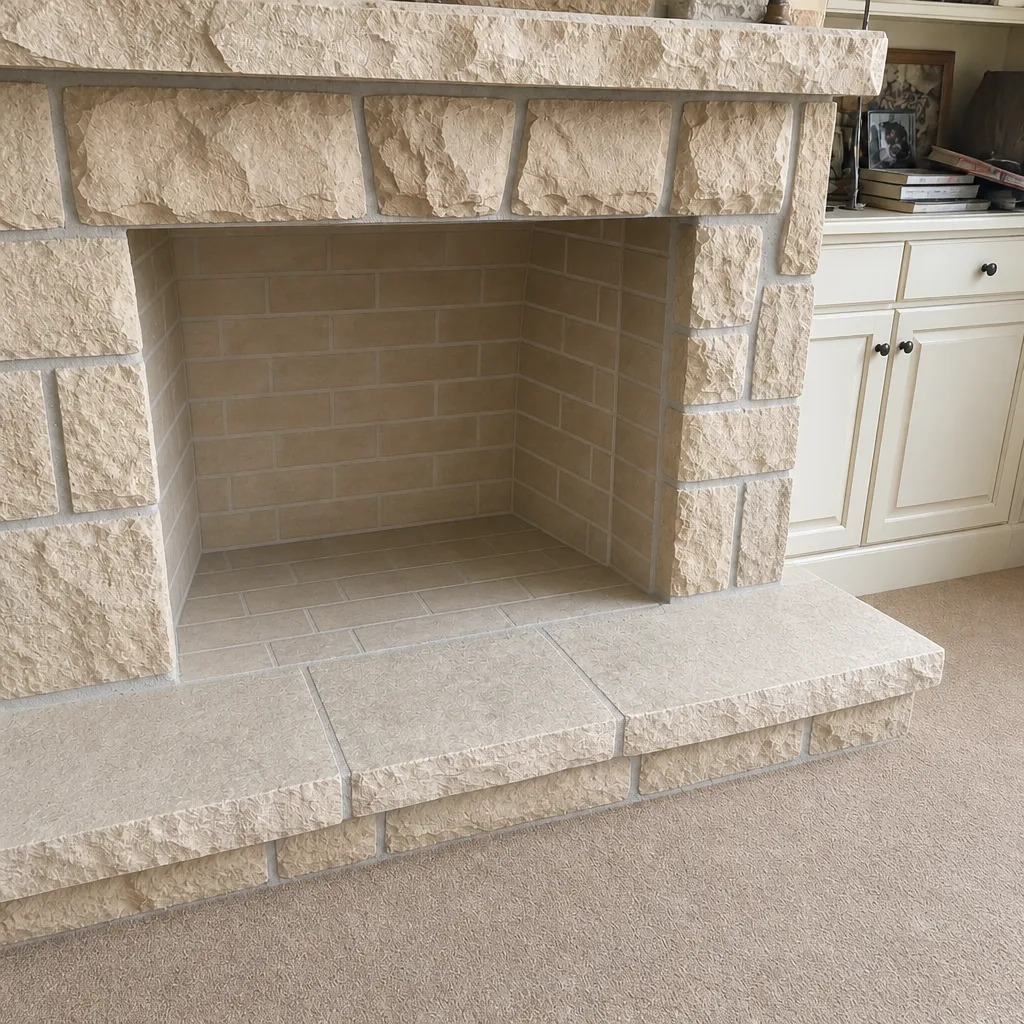
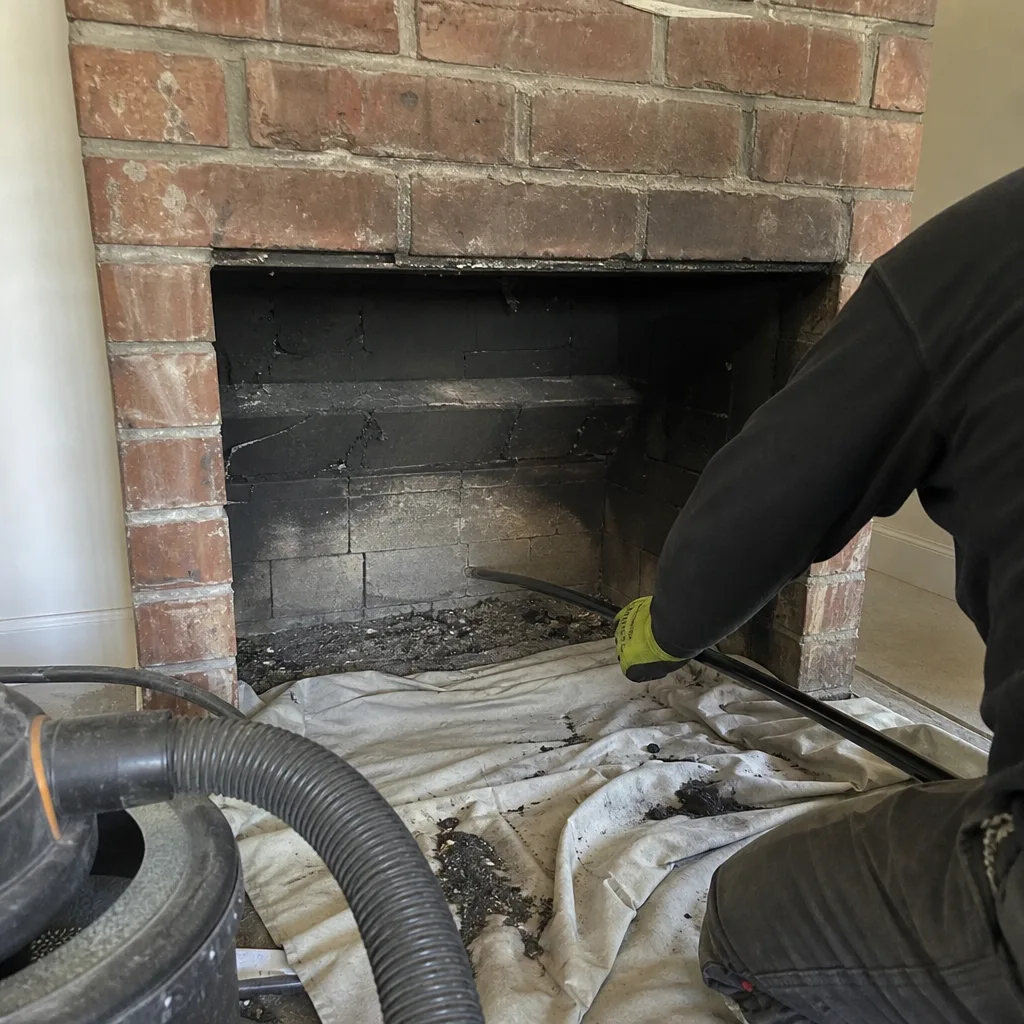
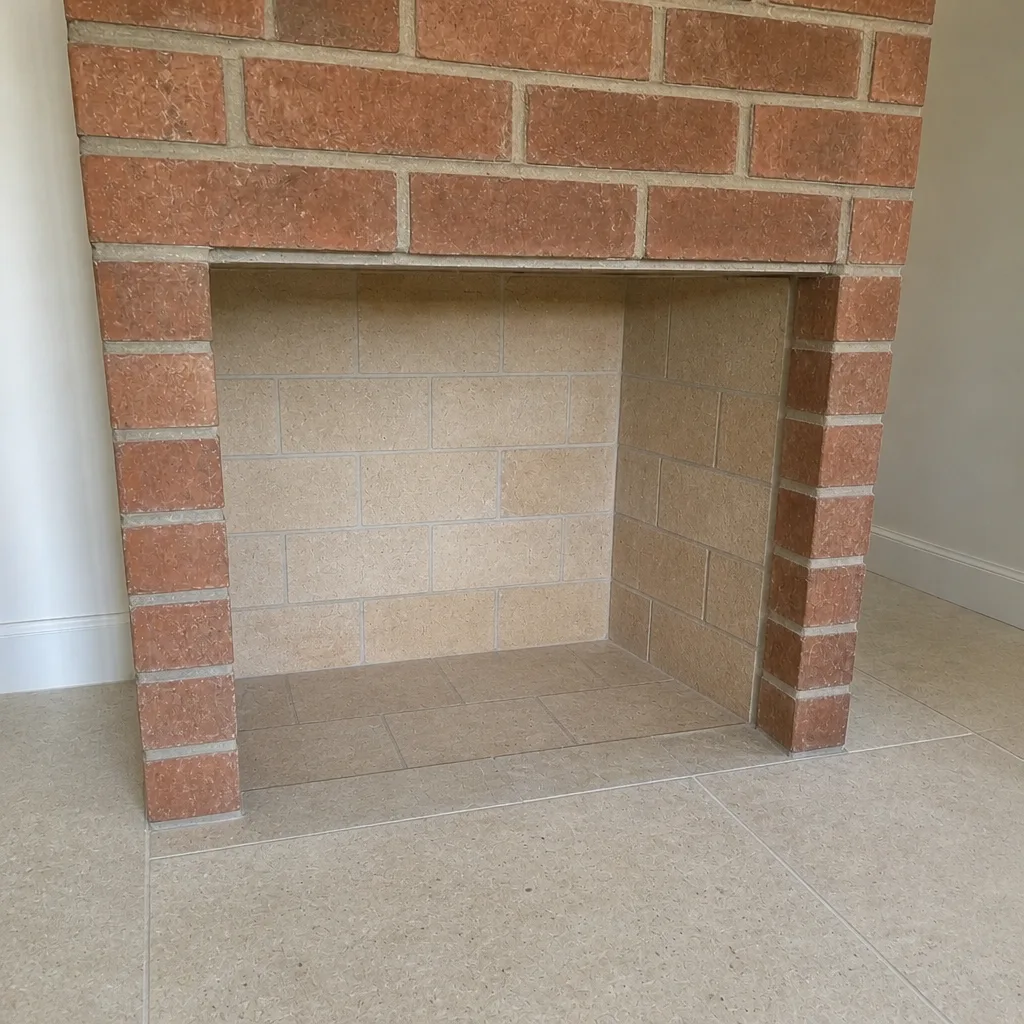
See the difference
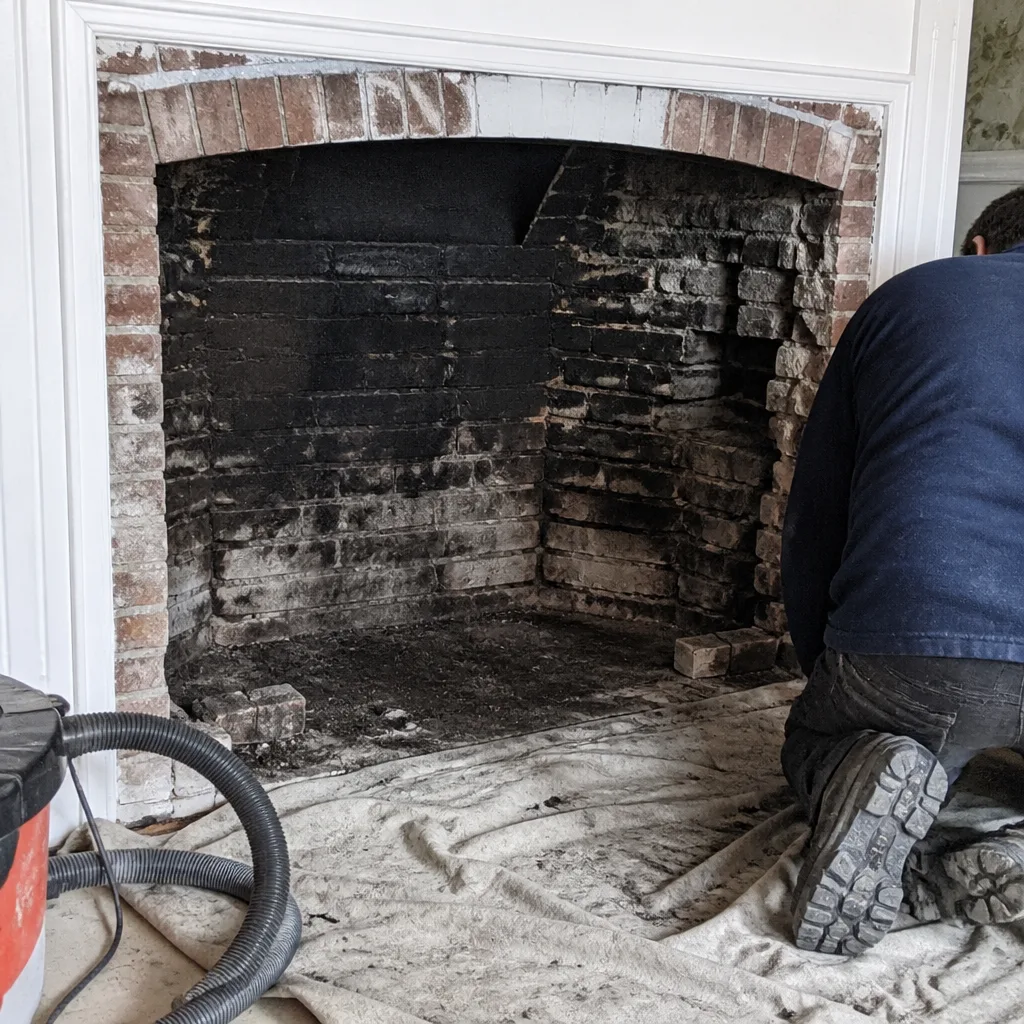 Before
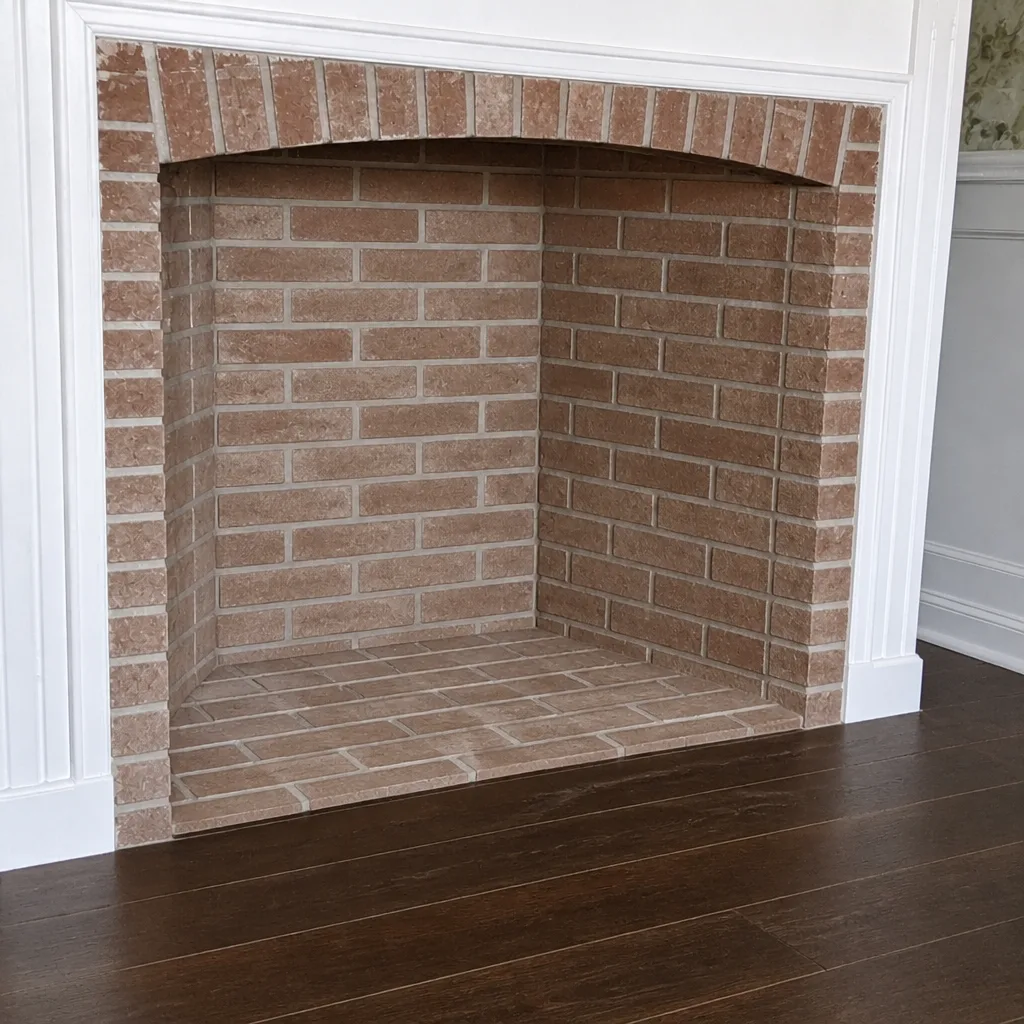 After
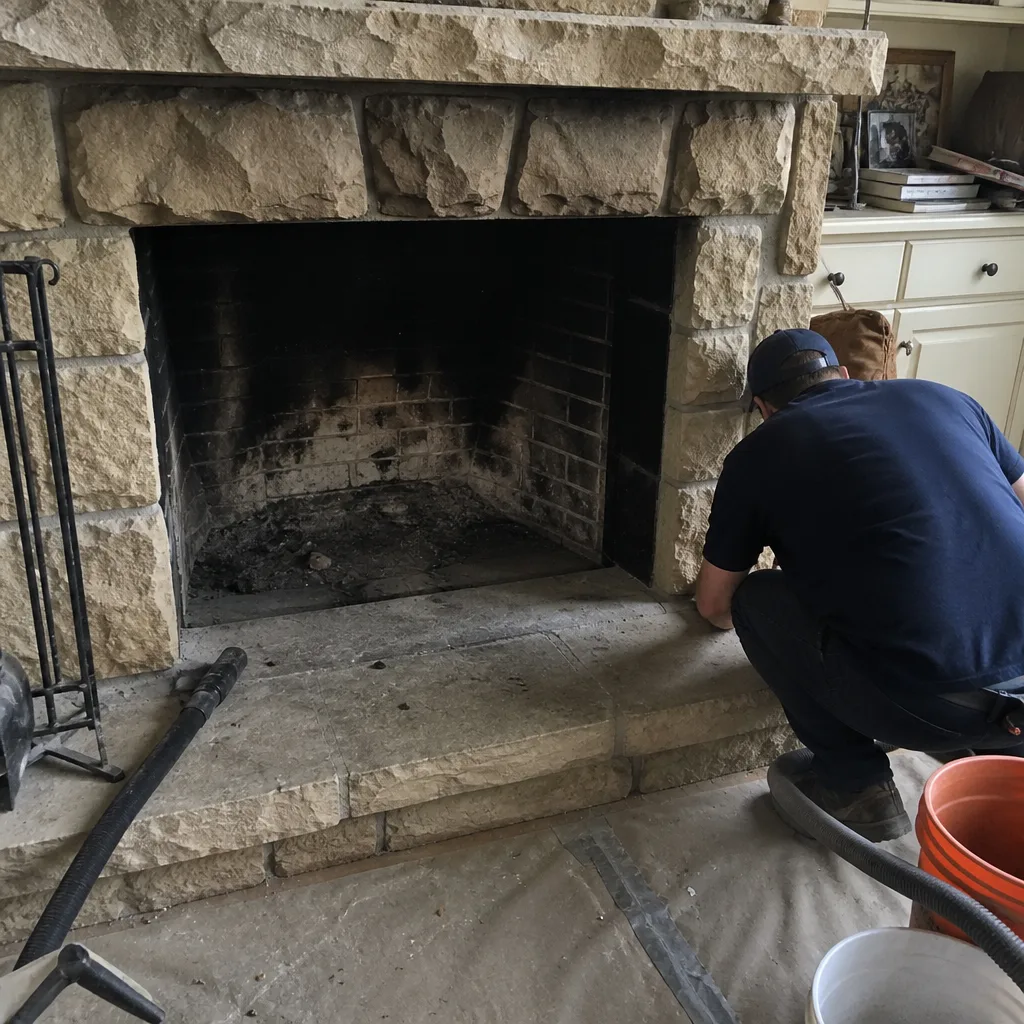 Before
 After
 Before
 After
When to Call a Professional
Some chimney situations call for a specialist rather than a homeowner with a flashlight. Call us when you smell a strong acrid odor after burning, when you’ve had any suspected chimney fire even if it seemed to end on its own, when your CO detector has alarmed near the fireplace, or when you’ve never had an inspection and use the fireplace regularly. Call when the cap is missing or the crown is cracked and letting water in, and call before the season starts if you want the flue swept while it’s convenient.
The one hesitation we hear most is being told you need thousands in liner or masonry work with no way to verify it. We don’t recommend work without camera evidence you can see for yourself, and we’ll tell you plainly when something can safely wait. Provo Chimney Sweep Pros offers free estimates in Provo – call (866) 937-8214.
Frequently Asked Questions
Close the damper first, then clear combustibles away from the hearth, get everyone outside, and only then call 911. Closing the damper cuts the air supply and slows the fire, which is the step people skip when they panic. Afterward, stop using the fireplace until a Level 2 inspection confirms the liner is intact. Call (866) 937-8214 for an inspection – estimates are free.
No. A chimney that survived a suspected fire cannot be used again until a Level 2 inspection with video confirms the liner is intact. Small or quiet fires still damage flue tiles and liners in ways you can’t see from the firebox. Call (866) 937-8214 to book the inspection before you relight.
A fast-burning fire is loud – a roar or a jet-like sound, with vibration and heavy smoke or sparks at the top. A slow-burning fire is quiet, with an acrid tar smell and puffs of smoke but little visible flame. Both require the same response: stop burning and get a video inspection. Call (866) 937-8214 for an exact quote on the inspection – estimates are free.
Provo homes stay sealed tight through cold winters, so a blocked cap or a failed liner pushes carbon monoxide into the living space instead of venting it up and out. Detectors on every level and outside each sleeping area are what catch it early. If a detector has alarmed near the fireplace, call (866) 937-8214 before using it again.
They need your liner type, flue dimensions, fuel type, and last inspection date, plus the chimney cap type and any prior repairs. Write this down before an emergency so nobody’s guessing at your flue configuration. A written inspection report from us supports the claim – call (866) 937-8214 to schedule one.
Not every damaged flue needs a full liner replacement. Depending on what the video inspection shows, a restoration product like HeatShield can sometimes repair a compromised lining without a complete replacement, which can save real money. We recommend nothing without camera evidence you can see. Call (866) 937-8214 for a free estimate.
The Bottom Line
Chimney emergency preparedness is two things done ahead of time: a memorized 90-second protocol where you close the damper, clear the hearth, and evacuate before you call 911, and a written record of your flue configuration that responders and your insurer can use without guessing. Add working CO detectors on every level, an annual sweep and inspection before the season, and a cap and crown in good repair. Then treat any suspected fire – loud or smoldering – as a reason to stop burning until a Level 2 inspection with video proves the liner is sound. Catch it before it costs you.
Call (866) 937-8214. We answer 24/7. Fast dispatch from 7am to 7pm, Sunday through Friday.
Written by the team at Provo Chimney Sweep Pros.