
Last updated November 25, 2026
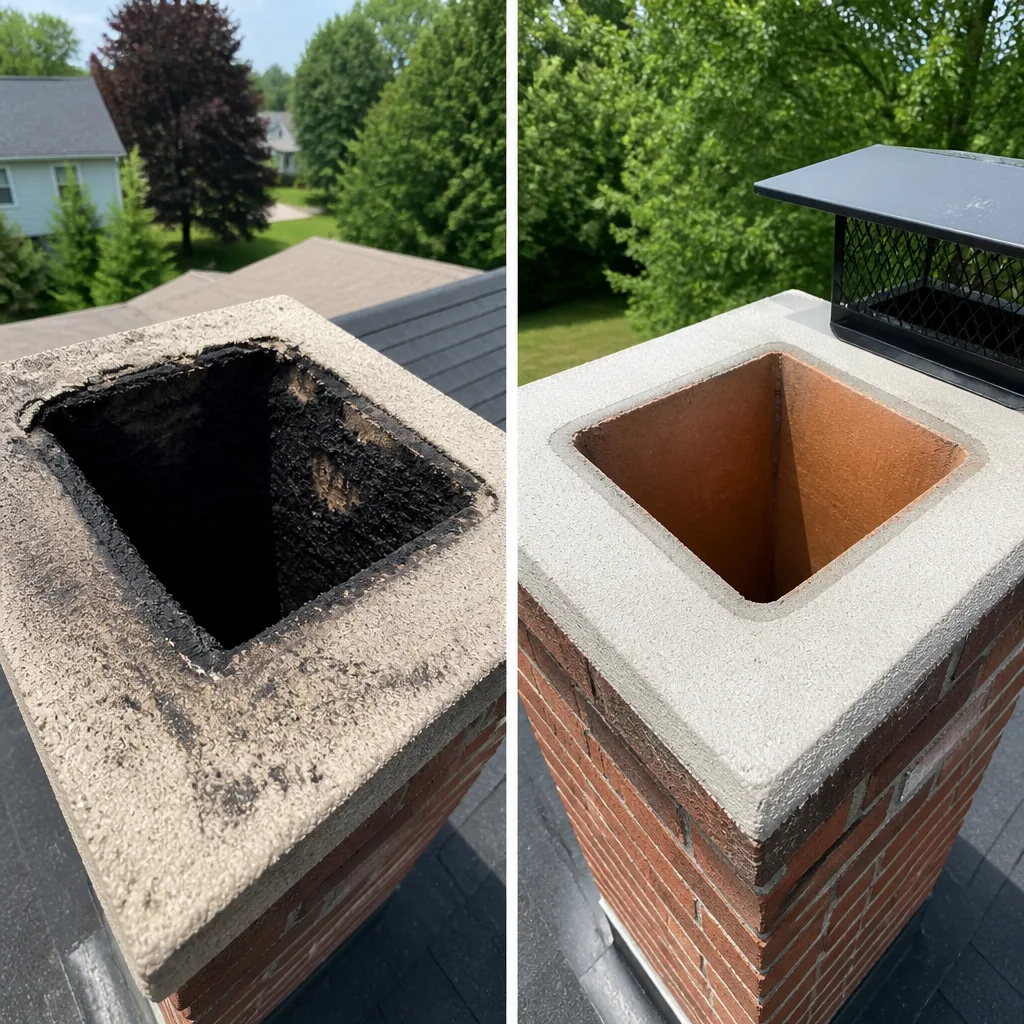 Sweep & inspection
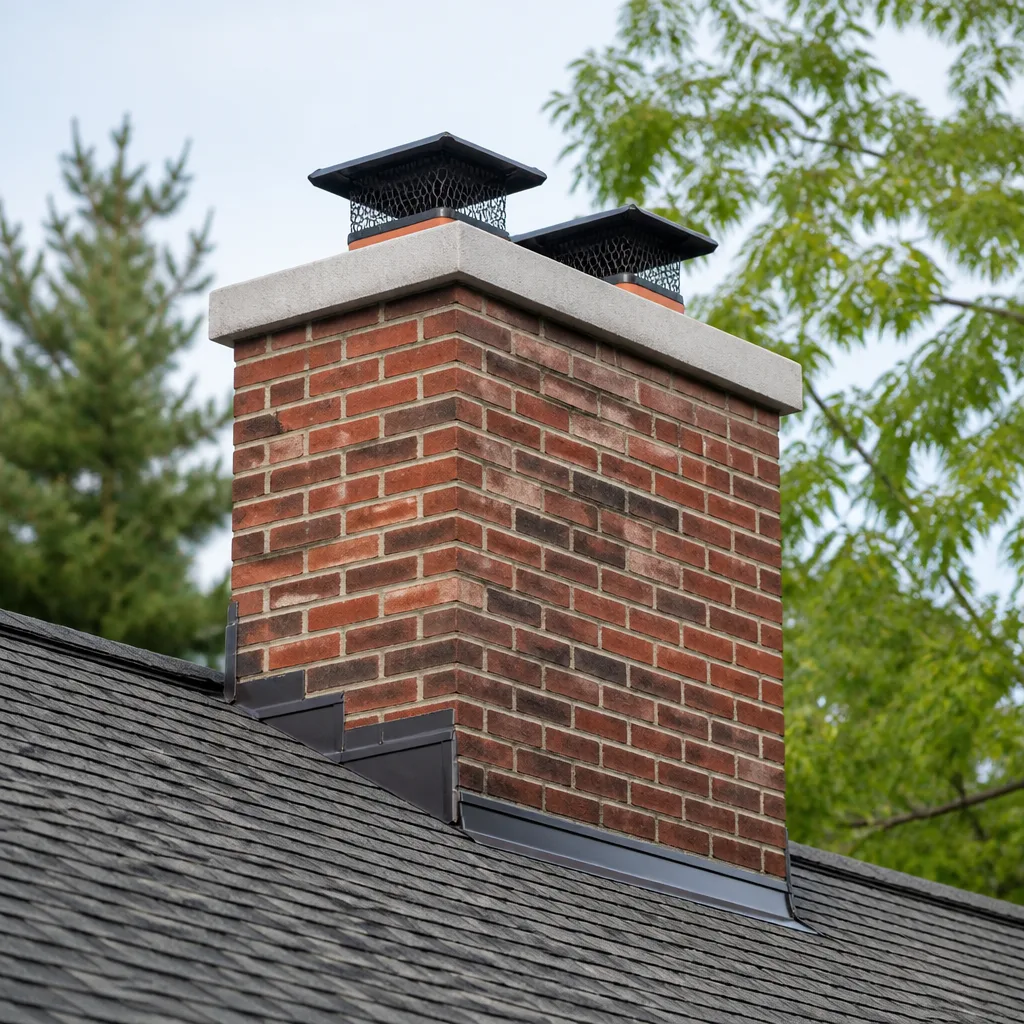 Caps & crowns
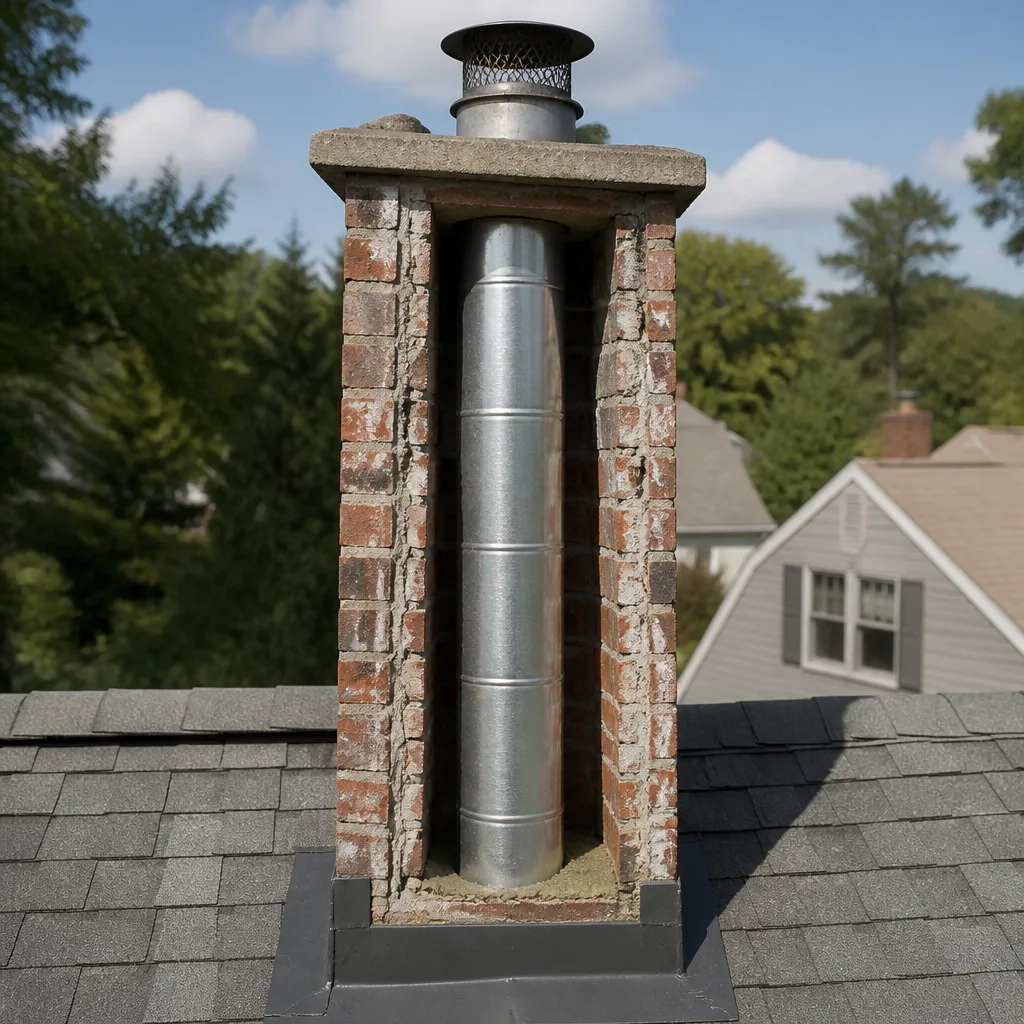 Flue relining
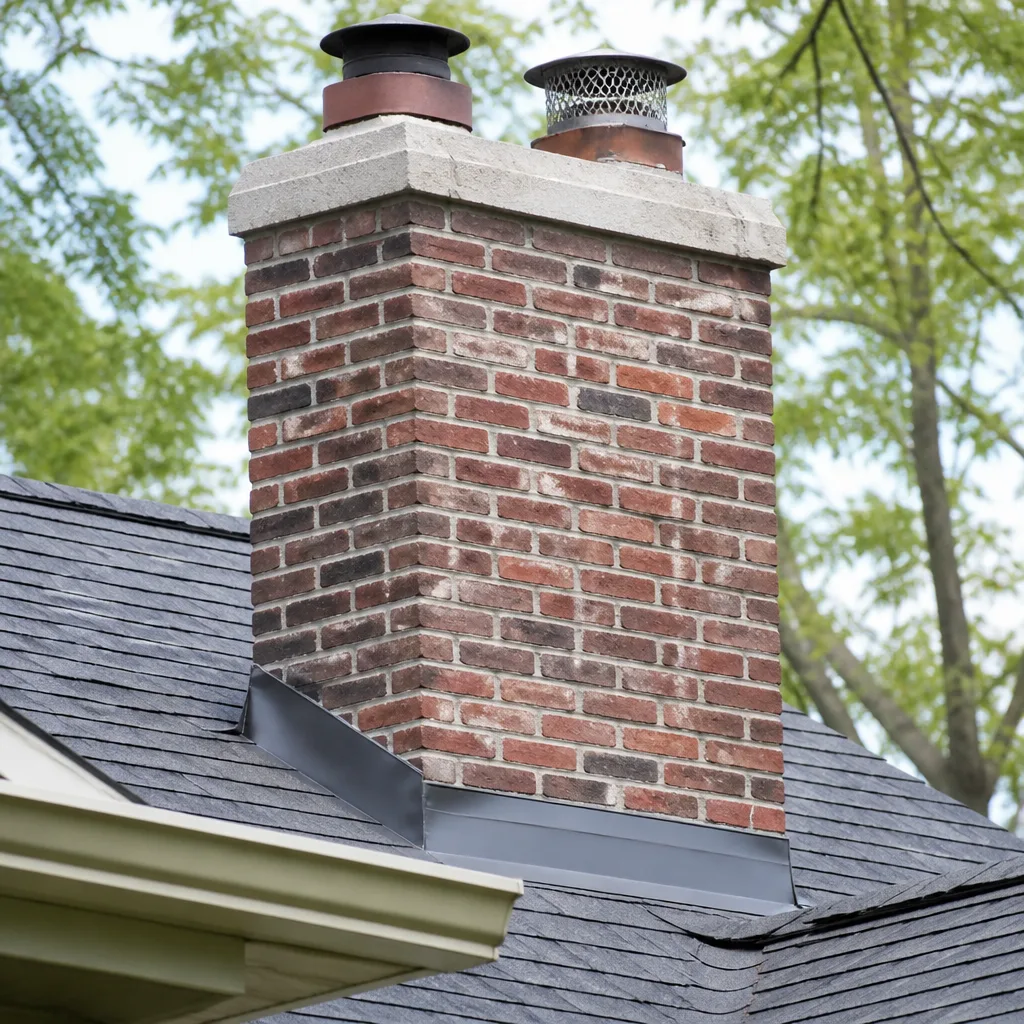 Masonry repair
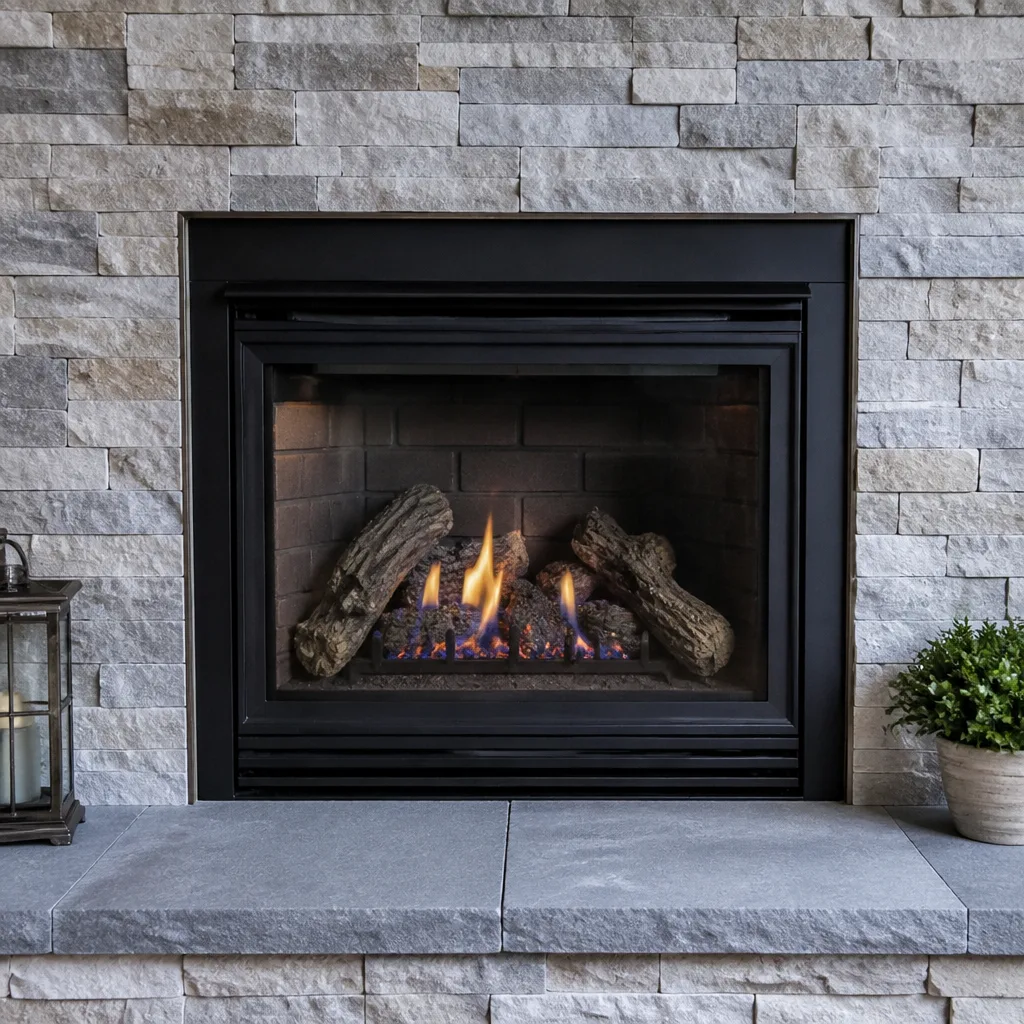 Gas fireplace service
Level 1 sweep and inspection to the NFPA 211 annual standard - flue, crown, cap, and flashing checked and photographed
Chimney sweep logs do not sweep chimneys. They loosen some creosote - which then falls where a brush and vacuum still have to collect it.
DIY vs Professional Chimney Cleaning: The Provo Homeowner’s Decision Guide
You can buy a chimney brush kit online for about $40 and physically reach most of your flue with it. That’s the part of this debate nobody argues about. The part that actually matters is what happens while you’re up there – or more precisely, what you can’t see while you’re up there. A brush tells you nothing about the hairline crack in a clay tile behind the smoke chamber, nothing about whether your draft is pulling correctly, nothing about the creosote glaze baked onto the liner above the damper. This guide draws a clear line between the maintenance a Provo homeowner can legitimately handle and the inspection work that requires equipment and training to do without taking on real risk.
Quick Answer
DIY chimney cleaning is reasonable for light soot removal from accessible flue sections, firebox cleaning, and ash disposal when your chimney is newer, has been professionally inspected recently, and shows no warning signs. Everything past that – evaluating a clay tile liner, assessing a smoke chamber, judging creosote glaze levels, or confirming draft and carbon monoxide behavior – requires a closed-circuit camera and diagnostic tools that no homeowner rents or buys. In Provo’s older housing stock, where clay tile liners are common, that professional assessment matters more, not less.
Styles & brands we work with
- Sweep & inspection
- Caps & crowns
- Flue relining
- Masonry repair
- Gas fireplace service
Table of Contents
- What DIY Chimney Cleaning Actually Handles Well
- The Tasks That Look DIY-Friendly but Create Real Risk
- The Equipment Gap: What a Professional Brings
- Why Provo’s Clay Tile Liners Change the Math
- The Provo Decision Matrix: Four Inputs That Settle It
- Draft, Codes, and What the Fire Needs
- When Hiring Out Pays for Itself
- Common Mistakes to Avoid
- When to Call a Professional
What DIY Chimney Cleaning Actually Handles Well
Let’s start with what’s legitimately yours to do. There are four maintenance tasks a careful Provo homeowner can own without creating liability, and we’d rather you do them correctly than skip them entirely.
- Light soot removal from accessible flue sections. If your flue is straight, the damper is open, and you can reach the first several feet from both the firebox and the rooftop, brushing that section with a properly sized poly brush is within reach of a careful homeowner.
- Firebox cleaning. Scooping out ash, sweeping the firebox floor, and wiping down the firebrick with a stiff brush keeps the firebox from accumulating the acidic residue that eats mortar joints over time.
- Ash disposal. Ash should be shoveled into a metal container with a tight lid and stored away from anything combustible for several days before disposal. Ash holds heat for a surprisingly long time.
- Exterior visual checks of cap and crown. From the ground with binoculars, you can see a missing cap, a cracked crown, or a rusted spark arrestor. That’s a legitimate observation and worth making every season.
What separates these four tasks from everything else is that they’re all surface-level, reachable, and don’t require you to make a judgment call about the condition of a component you can’t see. Once you’re evaluating anything – liner condition, creosote type, draft behavior – you’ve crossed out of maintenance and into diagnosis.
One Provo-specific note: our dry summers and cold winters swing your chimney through significant temperature cycles each year. Firing up a wood stove in October after a summer of disuse is exactly when cracks open up and mortar joints loosen. That’s a reason to look, not a reason to assume you’ll catch everything from the ground.
The Tasks That Look DIY-Friendly but Create Real Risk
Here’s where the debate gets honest. Three tasks look DIY-able to a motivated homeowner, and all three create problems that are worse than the ones they solve.
Rotary cleaning of clay tile liners. A rotary whip – the spinning chain or brush head on a drill – is sold to homeowners as a pro-grade tool. It is not. On a clay tile liner, a rotary head spun at the wrong speed or fed at the wrong rate will chip the interior edge of the tile. Those chips become collection points for creosote and, eventually, cracks. Once a clay tile cracks, you’re looking at a liner replacement, not a cleaning.
Chemical creosote treatments at the wrong concentration. Glaze creosote – the hard, tar-like stage – requires a chemical treatment before it can be brushed. The concentration and dwell time matter, and applying it heavier than the product specifies can damage the flue liner and create a corrosive residue. There’s no good way to eyeball this from inside a firebox.
Camera-free assessment of the smoke chamber. The smoke chamber is the sloped transition between the firebox and the flue. It’s where creosote collects in ways that are almost impossible to see with a flashlight from below. Judging its condition without a camera means judging it blind. In our experience, that’s where the surprise damage lives.
If you’re going to take any of these on, we’d rather you understand the stakes and call a chimney sweep instead. The cost of a sweep is small next to the cost of a cracked liner.
The Equipment Gap: What a Professional Brings
The value difference between a homeowner with a brush and a professional sweep comes down to equipment. Not just equipment, but the training to read what it shows. Here’s what a chimney specialist brings that changes the outcome.
- Closed-circuit camera systems. A camera on a push rod lets a technician see the full interior of the flue, the smoke chamber, and the top of the firebox. That’s the tool that catches hairline cracks, missing mortar joints, and offset tiles before they become failure points.
- Combustion analyzers. These measure carbon monoxide and oxygen levels in the flue gas, confirming the fire is burning cleanly and the chimney is venting properly. Without one, you’re guessing at whether your fire is safe.
- Draft gauges. Draft is the engine of any chimney. A draft gauge measures the pressure difference that pulls smoke up and out. Weak draft means the smoke and carbon monoxide have to go somewhere – and the somewhere is your living space.
- Liner integrity tools. From whip heads that reveal tile surface condition to inspection lights and mirrors designed for smoke chambers, the tools exist specifically for evaluating the parts you can’t see.
We work with recognized material brands – DuraFlex for stainless liner systems, HeatShield for liner restoration, and Olympia Chimney for components that need replacing. The reason we name them is simple: when a technician tells you the liner needs restoration versus replacement, the brand and the method matter for the outcome and the price.
HeatShield is worth calling out specifically. It’s a professional-grade liner restoration application that can address certain compromised clay tile liners without a full teardown. Most sweep-only services don’t offer it because they don’t have the capability. If your liner is a candidate, restoration can save thousands of dollars over replacement. That’s the kind of option you only learn about from someone who carries the tools and the brands.
Why Provo’s Clay Tile Liners Change the Math
Most of Provo’s pre-1990 homes were built with clay tile liners. That’s a durable system when it’s intact, but it’s also a system that fails in a specific and predictable way: the tiles crack, the mortar joints between them erode, and the liner begins to channel combustion gases into cavities the homeowner can’t see. For those homes, the DIY calculus shifts hard toward professional assessment.
Here’s why. A newer stainless steel liner has a known material thickness, known joint behavior, and a service life that’s generally well documented. A clay tile liner, once installed, is a system whose condition depends entirely on the quality of its original mortar and the wear of thirty-plus heating seasons. A brush doesn’t evaluate mortar. A flashlight doesn’t evaluate tile integrity. Only a camera does.
Provo’s weather compounds this. Our dry, high-desert summers and freezing winters push the chimney through repeated wetting at the crown and freeze-thaw cycles on the exterior masonry. Water that gets into the crown migrates down through the masonry and reaches the liner. Over enough seasons, that path is where the cracks begin. By the time a homeowner notices smoke in the house or a draft that misfires, the crack has likely been open for at least a heating season or two.
That’s why we push camera inspection so hard on the older Provo housing stock. It’s not an upsell. It’s the tool that answers the question you actually have – is my liner intact – and it’s the tool that can’t be substituted by a homeowner with a brush and good intentions. If you’re not sure what your liner is, a chimney repair inspection will tell you before the next heating season does.
The Provo Decision Matrix: Four Inputs That Settle It
If you’re not sure which side of the line your home falls on, answer four questions. They’re not complicated, and they’ll tell you whether DIY is reasonable or reckless for your specific chimney.
- System age. If your chimney was built in the last fifteen years and uses a stainless liner or a factory-built system, DIY light soot removal is reasonable. If it predates 1990 and has clay tile, professional assessment should come first, every time.
- Fuel type. Gas fireplaces produce less creosote and are more forgiving of DIY cleaning, but gas systems still need annual inspection for venting and carbon monoxide behavior. Wood-burning chimneys accumulate creosote, which is flammable and the leading cause of chimney fires. If you burn wood regularly, the venting path needs professional evaluation.
- Last professional inspection date. If a chimney specialist has seen your flue with a camera within the last two years and cleared it, you have room to handle light maintenance yourself. If you can’t remember the last inspection – or never had one – DIY is not the place to start.
- Presence of any warning signs. Smoke rolling back into the room, a strong creosote smell during warm weather, visible cracked tiles, water staining on the exterior masonry, or a chimney cap that’s missing or damaged. Any one of those, and you’re past DIY.
We built this matrix from what we see on Provo roofs. The pattern is consistent: the homeowners who call us earlier spend less, and the ones who wait spend more. If you’re on the fence, a professional Provo Chimney Sweep Pros inspection gives you a real answer instead of a guess.
Draft, Codes, and What the Fire Needs
Draft is the invisible mechanism that makes a fireplace work, and it’s the single component a homeowner can’t evaluate without instruments. Warm air rises, cooler outside air enters the firebox to replace it, and the resulting pressure difference pulls smoke up the flue. If that pressure relationship is off – because the flue is cold, the liner is cracked, the cap is blocked, or the chimney height is wrong for the roof – smoke and carbon monoxide go where they have to go.
Those are the mechanics. The codes that govern them exist for a reason. The National Fire Protection Association’s standard for chimneys, fireplaces, vents, and solid fuel-burning appliances – NFPA 211 – is the reference point most inspectors and municipalities work from. It’s the standard that defines what a safe chimney looks like, what inspection levels mean, and what constitutes a hazard. We align our inspection service with NFPA 211 so that what we find and document corresponds to an established framework rather than a technician’s opinion.
What that means for a Provo homeowner doing DIY work is this: you can brush a flue, but you can’t certify that it meets the standard. That certification matters at three points – when you sell the home, when you file an insurance claim related to a chimney fire, and when a future buyer’s inspector asks for documentation. A professional inspection produces a written report with photos. A homeowner with a brush produces a clean flue and no record of what the flue looked like when it was cleaned.
Draft issues also have a safety dimension that’s worth being direct about. Carbon monoxide is odorless, and a chimney that’s drafting incorrectly can push it into the living space. If you have a carbon monoxide detector and it’s ever gone off, or if anyone in the household has experienced headaches or nausea when the fireplace is running, don’t clean the chimney yourself. Get it evaluated. A trained professional with a combustion analyzer will tell you what’s actually happening.
When Hiring Out Pays for Itself
Here’s the honest math. A DIY brush kit costs about $40 and a few hours of your Saturday. A professional sweep costs more, but the sweep also produces something a brush can’t: an inspection that confirms the chimney is actually safe to use. When you compare costs, compare the cost of the sweep to the cost of the alternative – a cracked liner, a chimney fire, or a carbon monoxide exposure that nobody knew was happening.
The HeatShield option is where the math gets genuinely interesting. If a professional inspection finds a liner with moderate damage, restoration with HeatShield can address it without a full stainless replacement. That’s a material difference in the final price, and it’s only available from a service that carries the capability. A homeowner doing DIY cleaning would never know the option existed, because they’d never see the liner condition that pointed to it.
Our technicians have up to 10 years of experience across the five service categories we handle – sweeping, inspection, fireplace repair, chimney repair, and cap and crown installation. That breadth means when we find a problem, we’re not sending you to a different contractor. From firebox to flue cap, the same specialist can evaluate and address it. Our work includes name-brand materials – DuraFlex liners, Copperfield components, Famco caps, HeatShield restoration – because the brand behind the material determines how long the fix lasts.
One more Provo reality: the fireplace is often running from October through March here. That’s a long heating season, and it means the creosote accumulates in a concentrated window. Getting the chimney swept before the season starts is cheaper than getting it addressed in January when a draft problem has already damaged the liner.
Common Mistakes to Avoid
- Using a rotary whip on clay tile. It seems faster than a hand brush and it physically is. It also chips tile edges in a way that creates future creosote collection points and shortens the liner’s life. Leave the rotary to the pros who understand the feed rate.
- Treating creosote without knowing what stage it’s at. Creosote goes through three stages – soot, flaky, and glaze – and each stage responds to different treatment. Applying a chemical glazed-creosote treatment to a flue that only has soot is a waste, and applying it heavier than specified can damage the liner.
- Skipping the roof check. A sweep that starts and ends at the firebox misses the crown, the cap, the flashing, and the top of the flue. In Provo, those are exactly the places where water intrusion starts. A missing cap is a five-minute observation that prevents years of damage.
- Burning unseasoned wood to reduce creosote. This makes it worse, not better. Wet wood produces more creosote and less heat. Seasoned wood with under 20 percent moisture content is the only fireplace fuel that doesn’t accelerate creosote accumulation.
- Assuming a “clean” flue is a safe flue. A flue can be visually clean and still have a cracked liner, a deteriorated smoke chamber, or a draft issue. Cleaning and inspecting are different jobs, and a homeowner can only do one of them.
- Putting off the cap and crown. These aren’t cosmetic. A missing cap lets rain, birds, and debris into the flue, and a cracked crown lets water into the masonry. Both are protective components, and both are cheap to install and expensive to ignore. Cap and crown work is a named service here because we see the failures on Provo roofs.
- Waiting until you smell smoke in the house. By the time smoke is backing up in the living room, the draft problem has been developing for at least one season. That warning sign is the last one, not the first one.
When to Call a Professional
Call a professional if any of these apply: your chimney is a clay tile liner in a pre-1990 home, you’ve never had a camera inspection, you burn wood regularly, you have a gas fireplace that hasn’t been inspected, you notice smoke backing up, you smell creosote during warmer months, your cap or crown is damaged, or your carbon monoxide detector has ever alarmed. The Provo Chimney Sweep Pros offers free estimates in Provo – call (866) 937-8214. We answer 24/7. Fast dispatch from 7am to 7pm, Sunday through Friday. If you’ve been putting off the inspection, book it before the next heating season.
See the difference
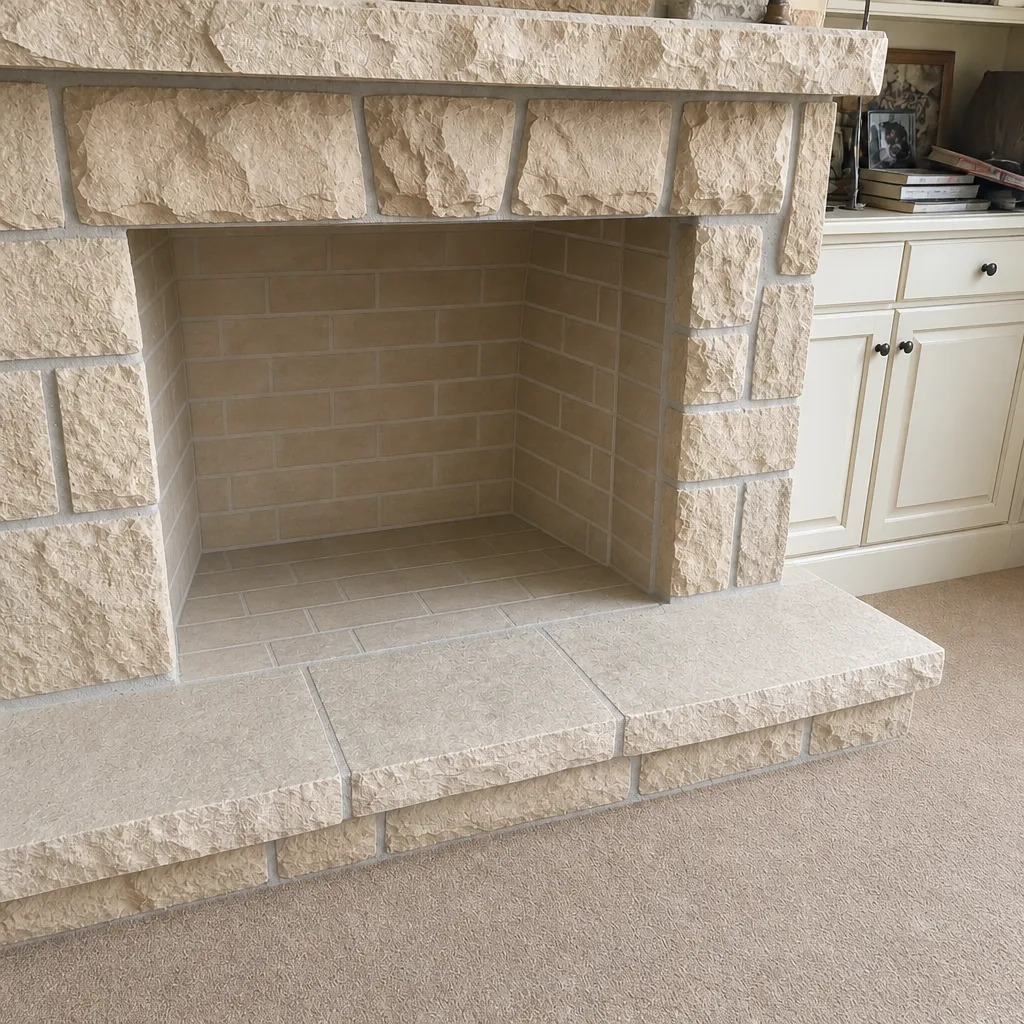
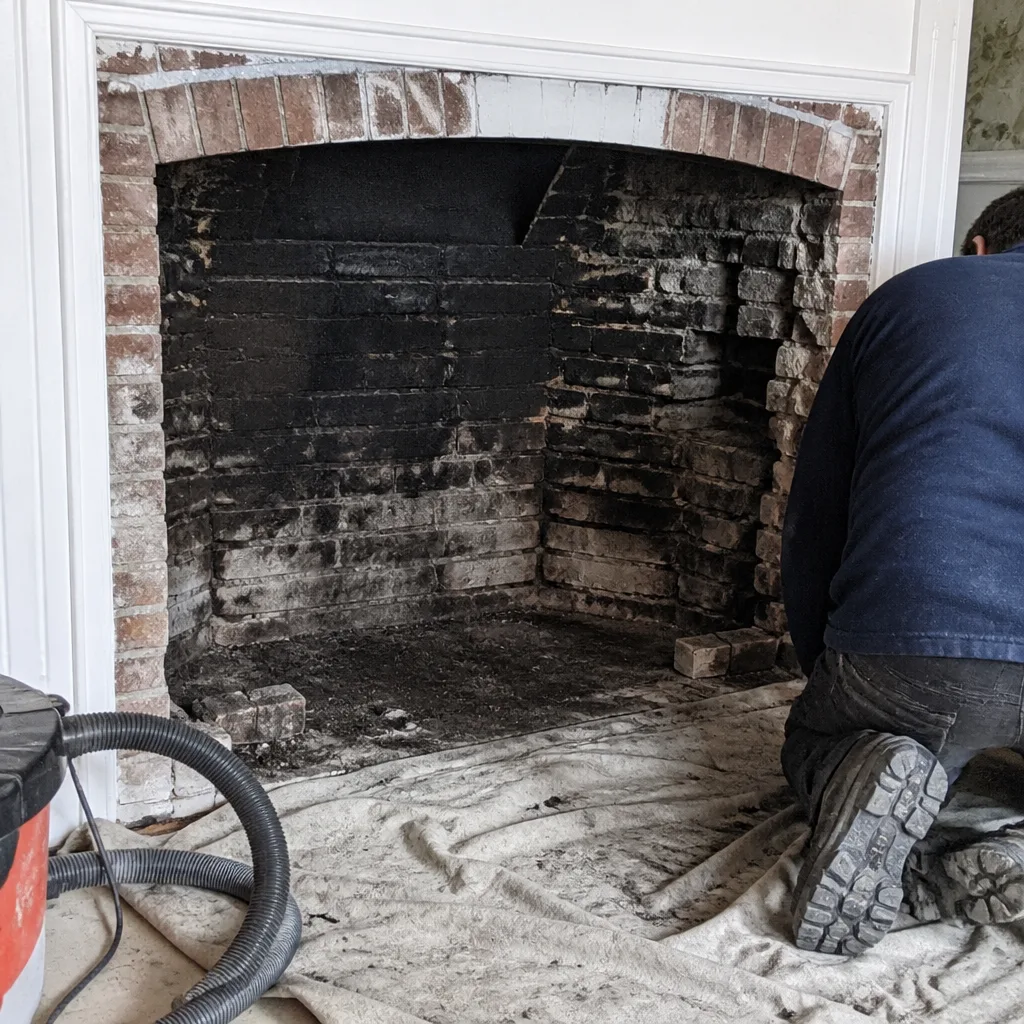 Before
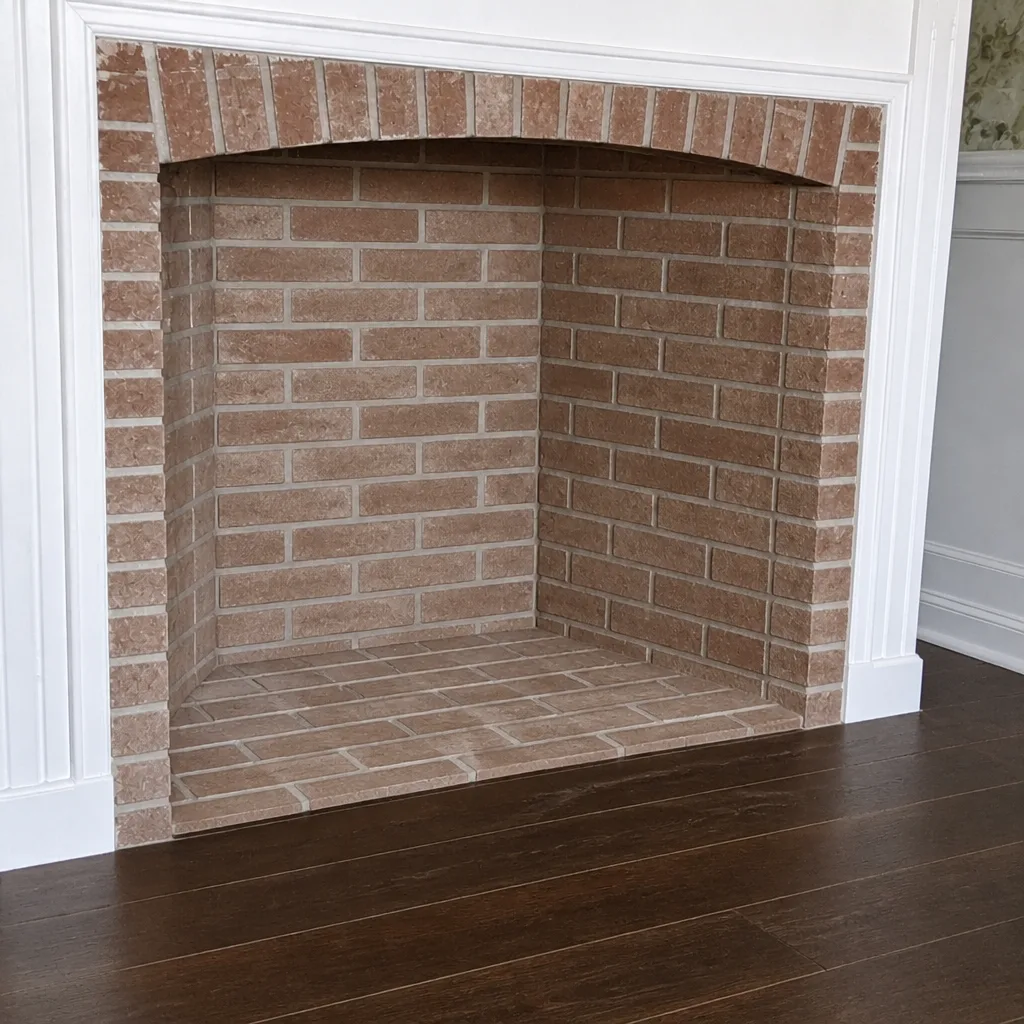 After
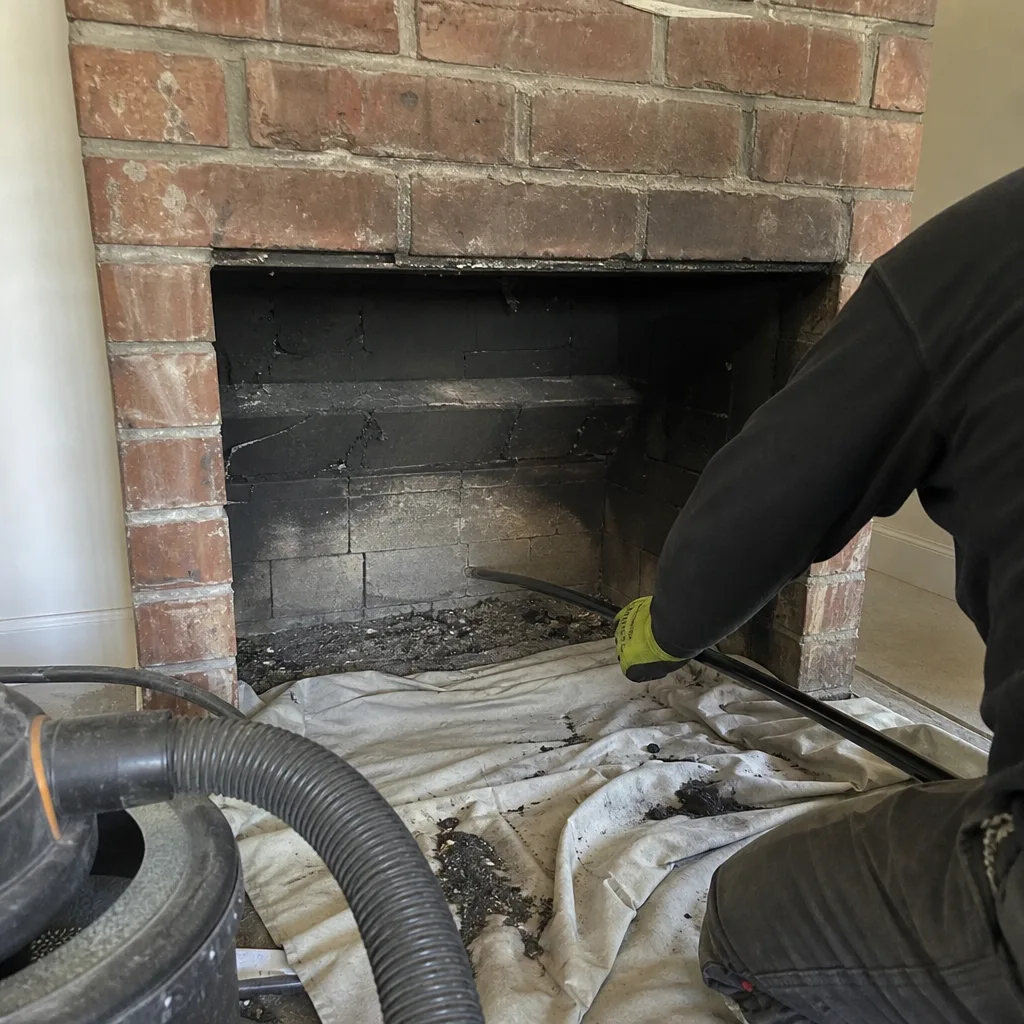
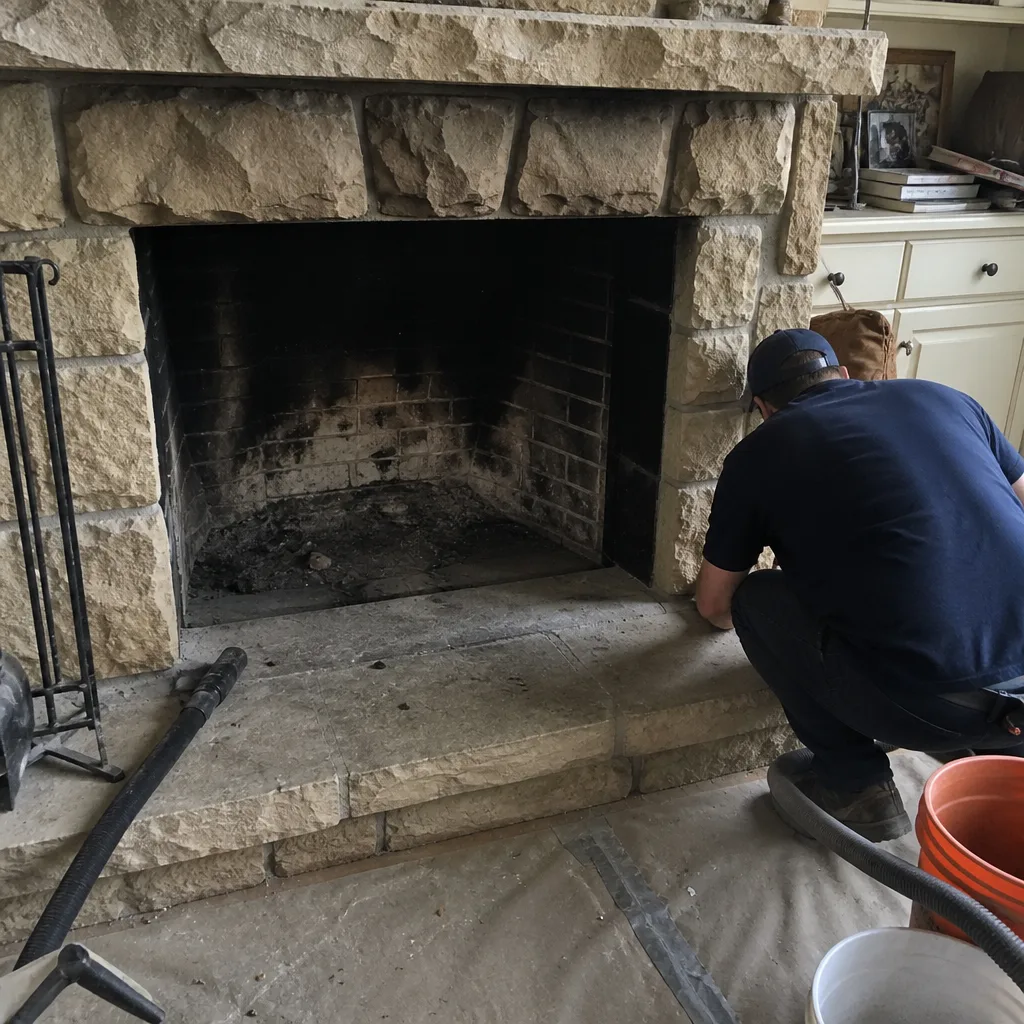 Before
 After
 Before
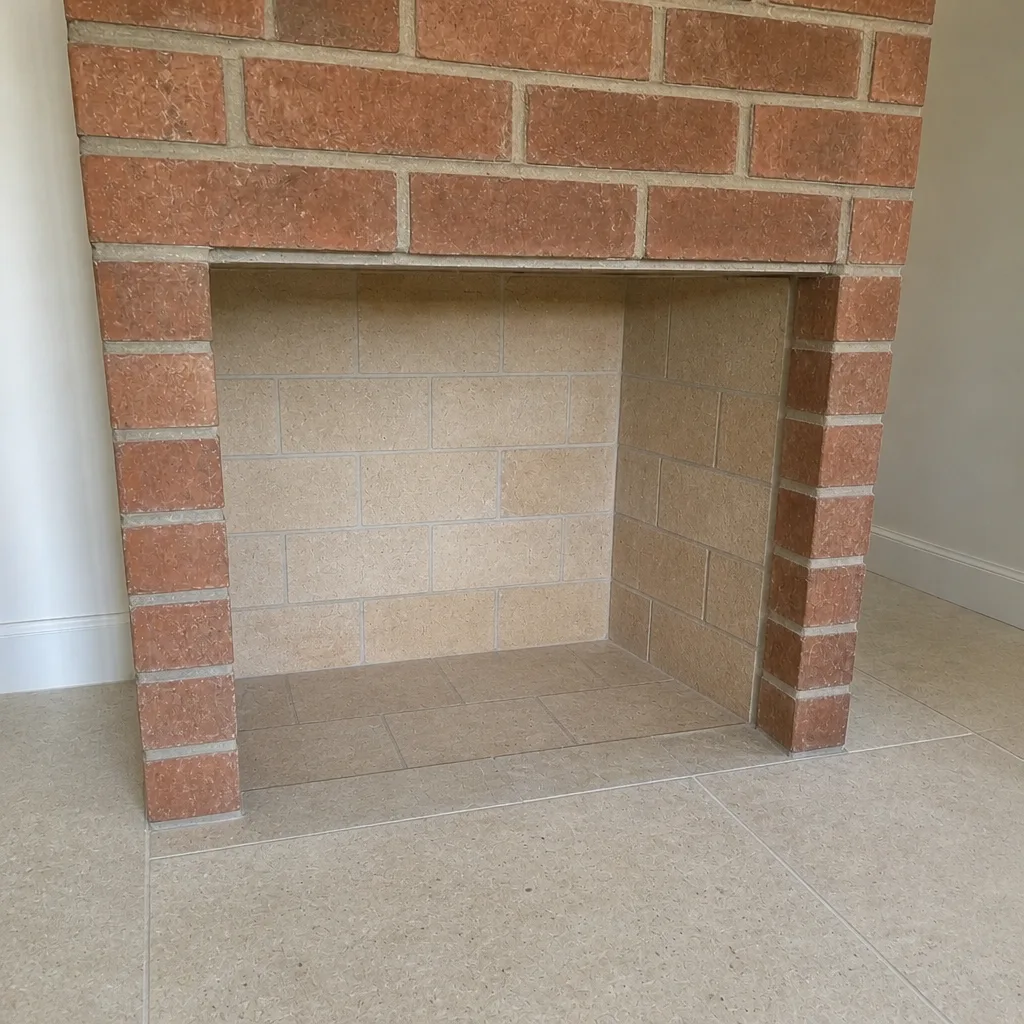 After
Frequently Asked Questions
A basic DIY brush kit runs around $40, plus a few hours of your time. A professional sweep costs more, but includes camera inspection and a written report. The comparison that matters is the sweep cost against the cost of a cracked liner or a chimney fire – which is where the professional option usually wins. Call (866) 937-8214 for an exact quote – estimates are free.
Yes, in three specific ways: rotary whips chip clay tile edges, chemical treatments at the wrong concentration damage the liner, and camera-free assessment misses cracks that lead to bigger failures. If your chimney has a clay tile liner, the risk is higher than with a stainless system. In our experience, the damage from rotary cleaning is the most common DIY mistake we see on older Provo homes.
The NFPA 211 standard recommends annual inspection and cleaning as needed – and the “as needed” is the operative part. A wood-burning chimney in regular use should typically be swept once per heating season. A gas fireplace needs annual inspection but often less frequent cleaning. Call (866) 937-8214 for a free evaluation of what your specific system needs.
A sweep removes soot and creosote. An inspection evaluates the condition of the liner, smoke chamber, damper, and cap, usually with a camera. They’re different services, and a homeowner can do the first one on a newer system but can’t do the second. Our inspection service aligns with NFPA 211 standards and produces a written report with photos – that’s the part you can’t get from a brush.
Yes, if it’s a clay tile liner or older than a few decades. A clean flue and an intact flue are different things. The camera is what shows hairline cracks, missing mortar, and the smoke chamber condition that a flashlight can’t reach. Without it, you’re guessing. Call (866) 937-8214 for an inspection with the equipment to answer the question.
Often, yes. HeatShield restoration can address certain damaged clay tile liners without a full stainless replacement, which is the money-saving alternative most sweep-only services can’t offer. DuraFlex liners are the option when replacement is actually necessary. A camera inspection is what tells you which situation you’re in, and an honest inspection says when work can safely wait.
The Bottom Line
The DIY versus professional chimney cleaning question has a real answer, and it depends on four things: system age, fuel type, inspection history, and warning signs. For a newer system with a recent professional inspection and no red flags, light soot removal, firebox cleaning, and ash disposal are legitimately yours. For Provo’s clay tile liners in pre-1990 homes, a camera inspection should come before any DIY attempt, because a brush can’t diagnose what a camera can. The rule is straightforward: cleaning is maintenance, inspection is diagnosis, and only one of those is a homeowner job.
Contact
If you’re ready for a professional chimnea inspection or want an honest read on whether your DIY plan is safe, call Provo Chimney Sweep Pros at (866) 937-8214 for a free estimate. We answer 24/7. Fast dispatch from 7am to 7pm, Sunday through Friday. We handle sweeping, inspection, fireplace repair, chimney repair, and cap and crown work – one specialist for the whole system.
Written by the team at Provo Chimney Sweep Pros.