
Last updated November 25, 2026
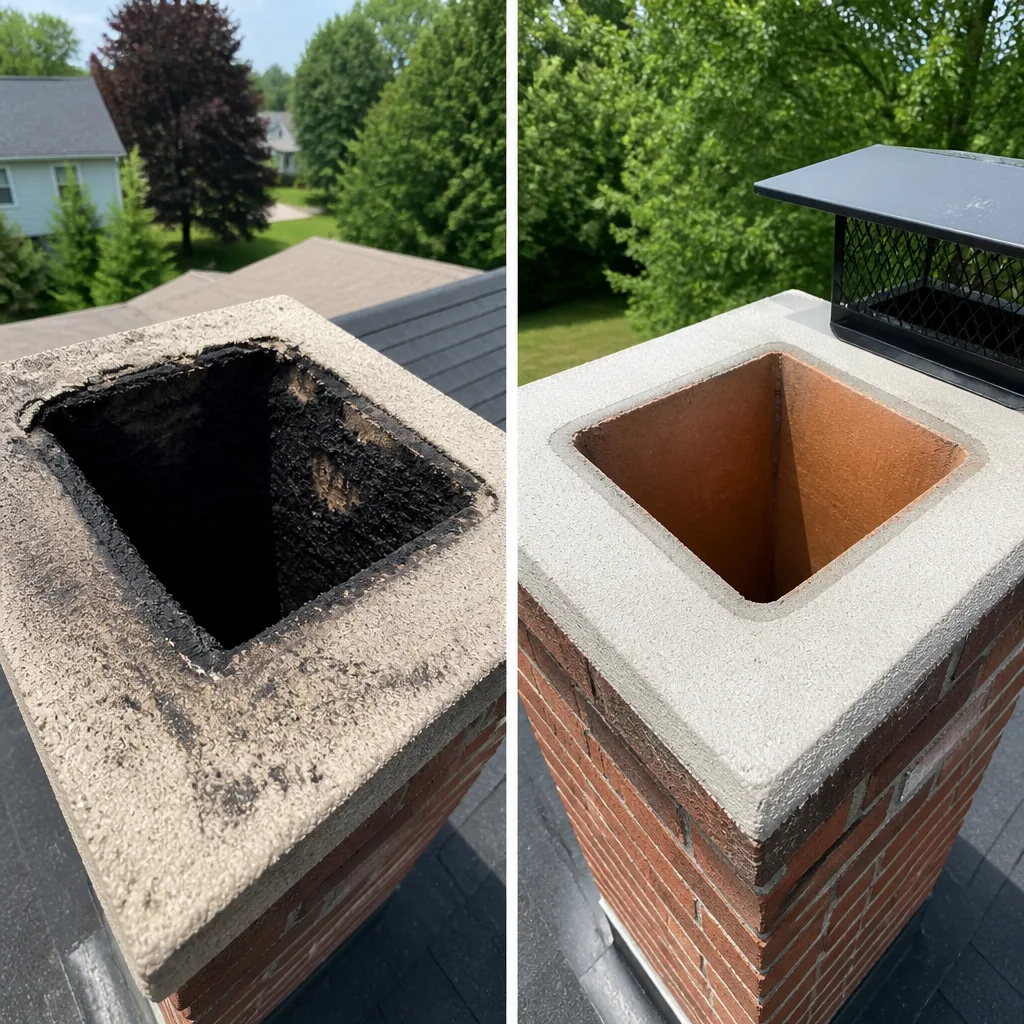 Sweep & inspection
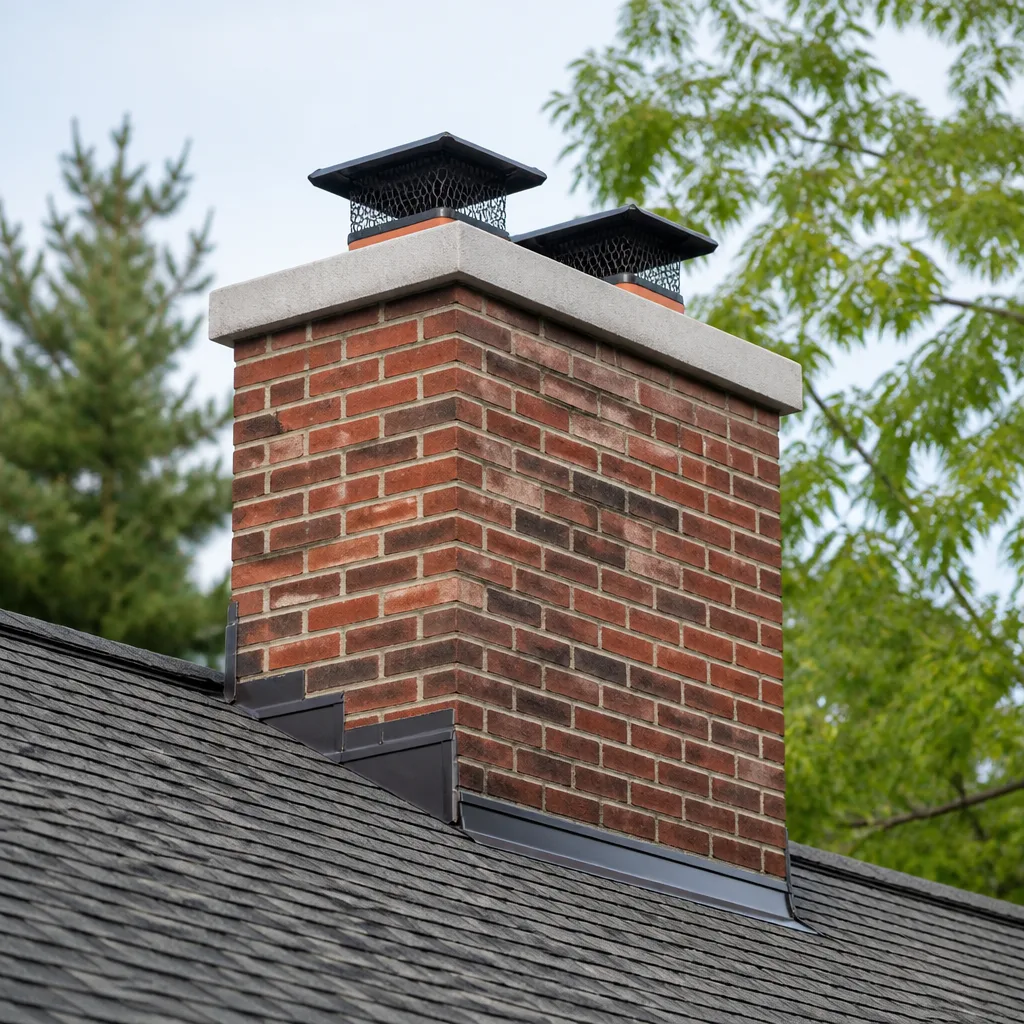 Caps & crowns
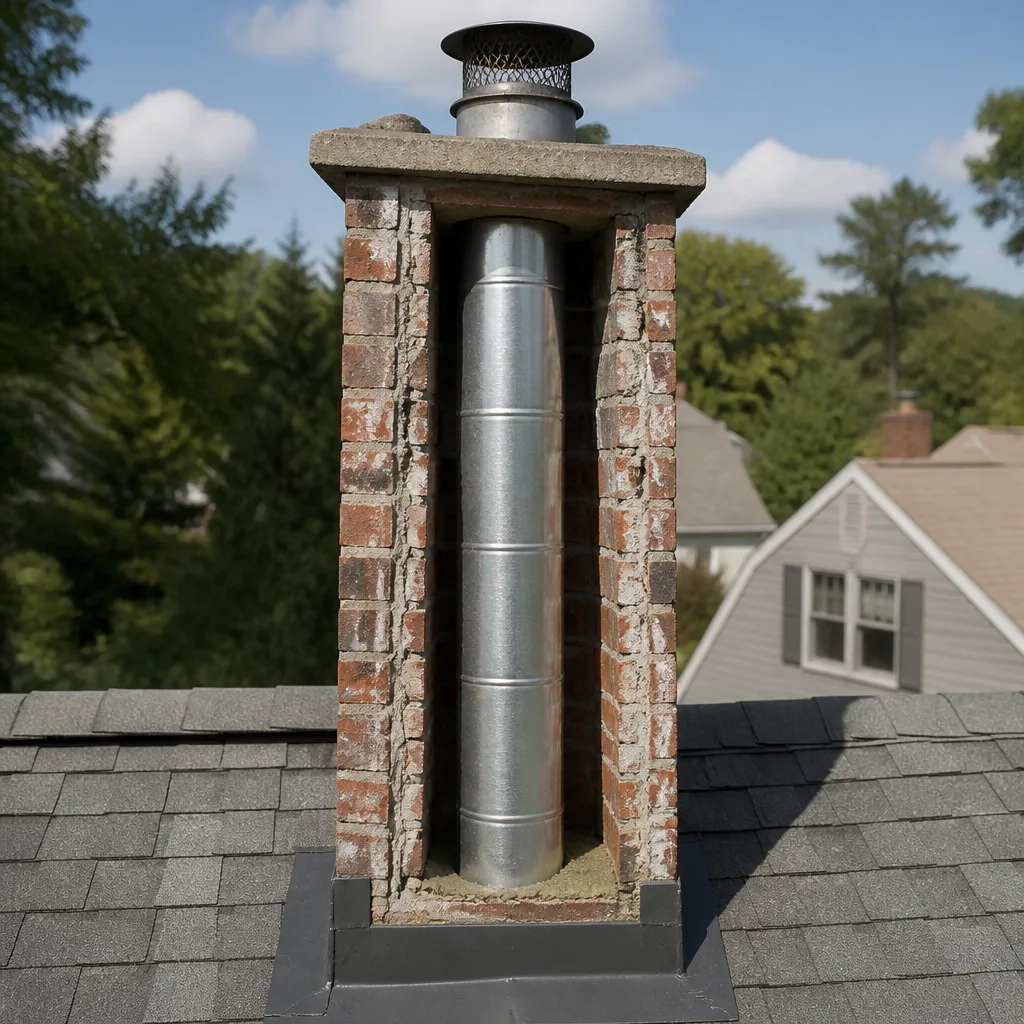 Flue relining
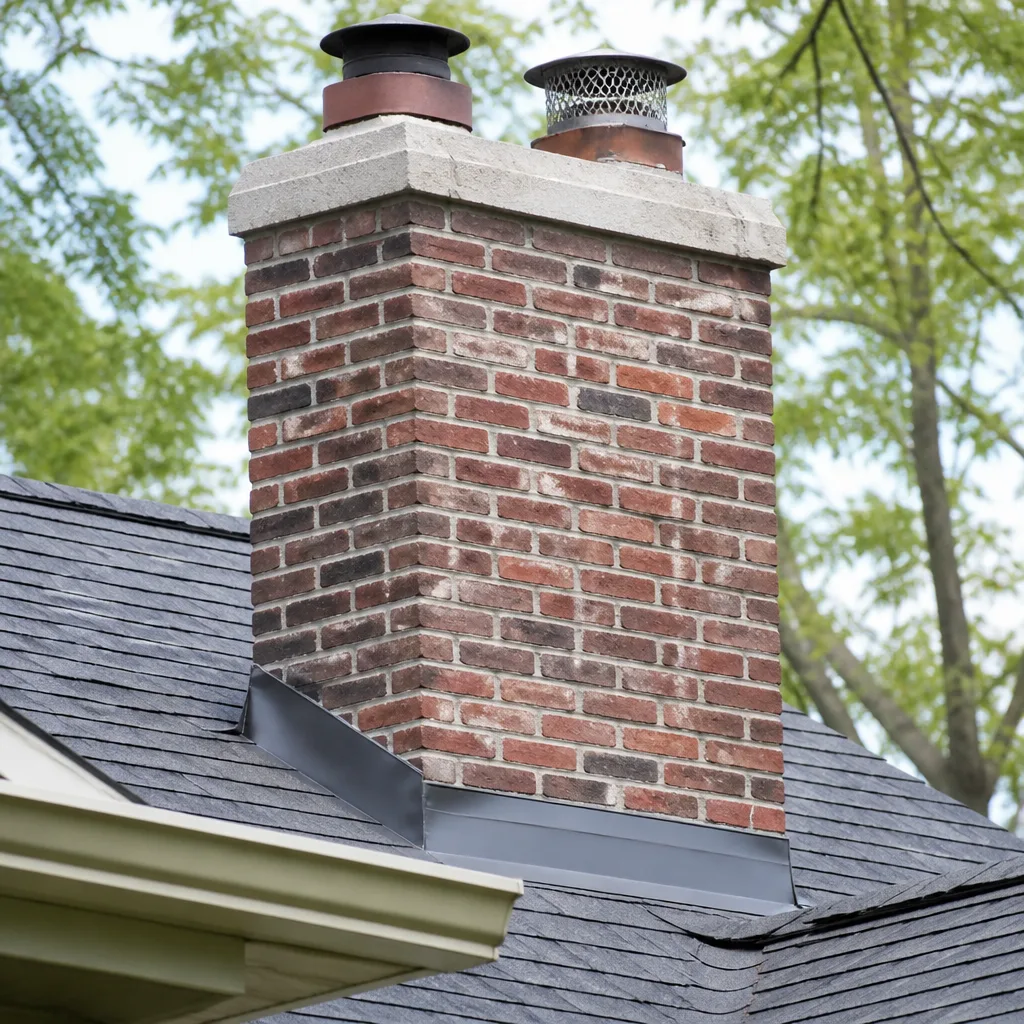 Masonry repair
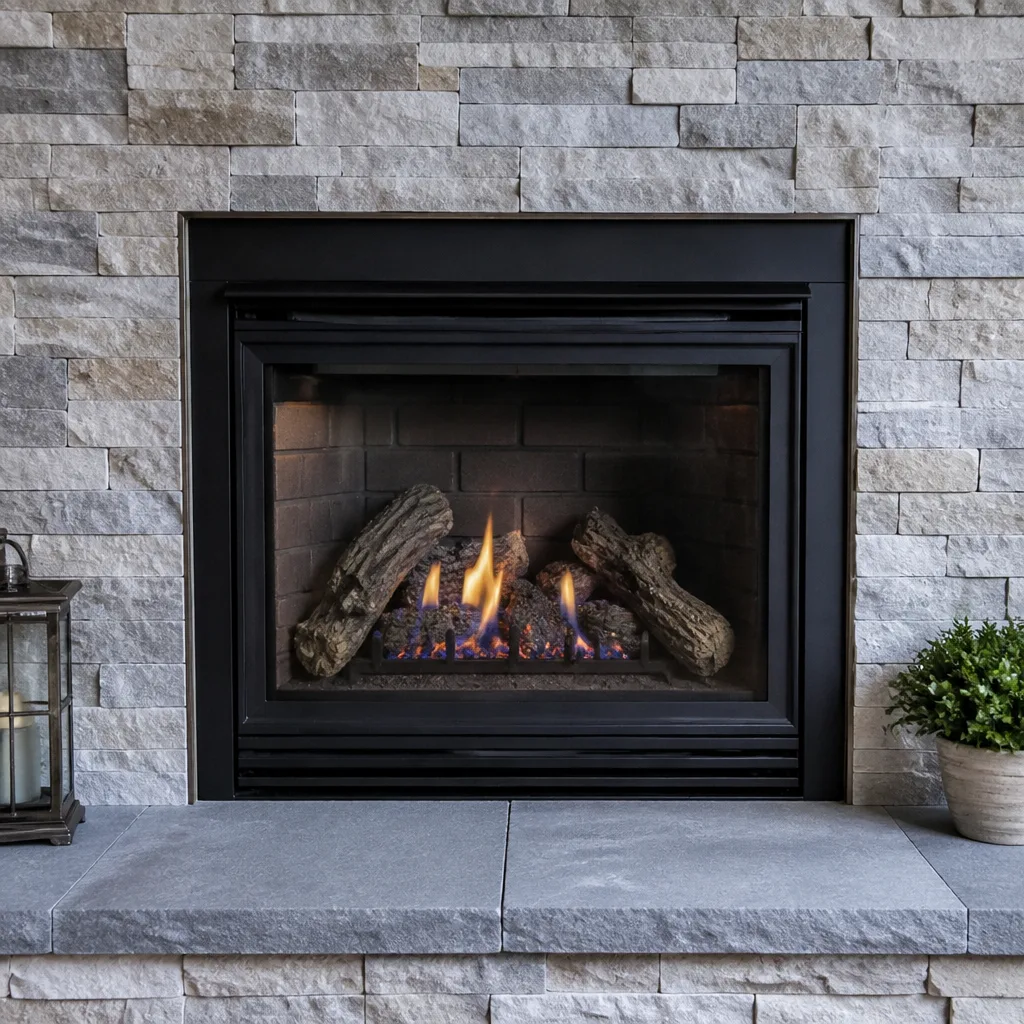 Gas fireplace service
Level 1 sweep and inspection to the NFPA 211 annual standard - flue, crown, cap, and flashing checked and photographed
Chimney sweep logs do not sweep chimneys. They loosen some creosote - which then falls where a brush and vacuum still have to collect it.
How to Hire a Chimney Cleaning Contractor in Provo: A Step-by-Step Guide
Utah has no state license requirement for chimney sweeps. That means the person quoting you $79 for a “complete clean” may have learned the job last month, and you won’t know until they miss the cracked liner that starts a chimney fire. Credentials aren’t paperwork in this trade. They’re the difference between a sweep who brushes what they can see and a specialist who reads the whole system from firebox to flue cap. In this guide, we walk through exactly how to vet a contractor in Provo: what certifications actually verify, the five questions to ask before booking, how to decode an estimate, the red flags that show up in Utah’s market, and how to compare a $150 quote against a $350 quote when they aren’t describing the same work.
Quick Answer
To hire a chimney cleaning contractor in Provo, verify CSIA Certified Chimney Sweep and NFI credentials on the official lookup tools rather than taking a contractor’s word, ask five scoping questions before you book, and compare written estimates line by line so you’re pricing identical work. Because Utah doesn’t license chimney sweeps, the credential check is the single most important step. A sweep who can’t confirm certification and won’t put findings in writing is a liability, not a bargain.
Styles & brands we work with
- Sweep & inspection
- Caps & crowns
- Flue relining
- Masonry repair
- Gas fireplace service
Table of Contents
- Why Utah’s Missing License Requirement Changes How You Hire
- What CSIA and NFI Credentials Actually Verify
- The Five Questions to Ask Before You Book
- How to Decode a Chimney Estimate in Provo
- Red Flags Specific to Utah’s Chimney Market
- How to Compare Quotes When the Scope Differs
- Provo’s Climate, Housing, and What It Means for Your Chimney
- What a Proper Sweep and Inspection Looks Like
Why Utah’s Missing License Requirement Changes How You Hire
Here’s the thing most Provo homeowners don’t realize until they’re already comparing quotes: Utah does not issue a state license for chimney sweeps or chimney repair contractors. There is no state board exam, no minimum training hours, no journeyman-to-master progression that a sweep must clear before hanging a shingle. That leaves the credential system almost entirely in the hands of private certification bodies and, in practice, in your hands.
Compare that to electrical or plumbing work. Those trades come with permits, inspections, and a paper trail. Chimney work, by contrast, is often invisible. The finished job looks identical whether the technician brushed the full flue or only the accessible portion. Whether they noticed a hairline crack in the liner or a gap at the crown is not something you can see from the hearth. That asymmetry is exactly why the cheapest bid is often the riskiest one.
What this means for hiring in Provo is straightforward: you have to substitute your own vetting for the license check that other trades get for free. The three substitutes are:
- Third-party certification. CSIA or NFI credentials let you confirm a contractor’s training through an independent database instead of through their own marketing.
- Written documentation. A contractor who photographs findings and puts line items in a written estimate is giving you something you can verify later.
- Specialization. A company that does exclusively chimney work has no incentive to sell you services outside that trade and no reason to rush the diagnosis.
None of these guarantee a perfect job. But together they close the gap that the missing Utah license leaves open, and they give you a framework to say no when something feels off.
What CSIA and NFI Credentials Actually Verify
The two credential sets that matter in chimney work are CSIA Certified Chimney Sweep, from the Chimney Safety Institute of America, and NFI certification, from the National Fireplace Institute. They test different things, and both are worth understanding before you book.
CSIA certification verifies that a sweep has passed an exam on chimney and venting systems, codes, and safety, and has agreed to a code of ethics. It’s the baseline credential for anyone performing a chimney sweeping and inspection. NFI certification is more specific to hearth appliances. It verifies the technician’s knowledge of how wood, gas, and pellet heating systems are installed, vented, and serviced. For a homeowner with a gas insert or a newer wood stove, NFI credentials are a meaningful signal.
The key word is verify. Any contractor can print “CSIA Certified” on a website or a van. The right step is to look up the individual technician’s certification on the CSIA lookup tool before the appointment, not after. Same for NFI. If a contractor lists a certification and can’t be found in the database, that’s information you can act on.
What these credentials don’t verify is equally important to understand:
- They are not a state license. Utah doesn’t require one, so a technically uncertified sweep can work legally.
- They don’t guarantee pricing, availability, or that a company will do the full scope of work you need.
- They’re individual credentials, not company endorsements. Ask which specific technician will be on site and confirm that person’s name in the lookup.
For a full-system view, a certified sweep is a starting point. What happens after the sweep, when it comes to chimney repair or fireplace repair, is where the credential distinction between a cleaning-only crew and a real specialist matters most.
The Five Questions to Ask Before You Book
These five questions separate full-system chimney specialists from cleaning-only crews faster than any review page. Ask them on the phone before the appointment, and listen to how specific the answers are.
- “What certification does the technician hold, and can you give me the name so I can look it up?” A specialist will name the technician and the certifying body without hesitation. A cleaning-only operation will often pivot to “we’re fully insured” or “we’ve been doing this a long time.”
- “Will you photograph the interior of the flue during the inspection?” A camera inspection gives you a record you can compare later and shows you don’t have to take anyone’s word about condition. A crew without a camera can only describe what the brush tells them.
- “What’s included in the written estimate, and does it list line items or just a total?” The written estimate should itemize the sweep, the inspection, and any recommended repairs separately. A single number with no detail gives you nothing to compare or come back to.
- “Do you install liner systems yourself, or do you sub the repair out?” A full-system specialist handles the work from firebox to flue cap, including liner restoration and cap and crown work. If the sweep is only a sweep, you’ll be calling a different contractor for every follow-up.
- “What do you do if you find something you can’t safely fix today?” A specialist will document the finding, explain options, and put it in writing. Someone looking for a sale will push for an immediate upgrade.
If a company can’t give clear answers to all five, that’s the answer. Provo homeowners have enough options to call someone who can.
How to Decode a Chimney Estimate in Provo
A written chimney estimate in Provo should list line items for every piece of work, and the section headers should tell you exactly what’s included. Here’s the structure a full-system estimate usually follows and the vague language to watch for in its place.
- Sweep line item. “Chimney sweep – standard flue, wood-burning” is a clear line. “Cleaning” with no scope is not. Ask what gets brushed, what gets vacuumed, and whether the firebox and smoke chamber are included.
- Inspection line item. Should reference a standard – typically NFPA 211 – and state the level of inspection performed. Level 1 is a visual check of accessible components. Level 2 adds a video scan of the flue interior. Level 3 is a diagnostic inspection when a hazard is suspected. The estimate should say which level you’re getting.
- Repair line items. Liner restoration, cap and crown, masonry repair, damper work – each should be listed with the material or method named. If the estimate says “repair” without naming the component, ask for specifics before signing.
- Documentation line item. The estimate should state whether you receive a photo report from the inspection. That’s the record you use to verify later findings.
- Total. The written estimate should make clear that the total is the price for the described work, not an estimate subject to change once the work starts.
Two phrases are worth flagging. “We’ll see when we get up there” means the contractor hasn’t scoped the work or has no intention of committing to a scope. “This price is for today only” is a pressure tactic, not a business practice – a fair contractor will let you think about a repair recommendation before booking it. The estimate should be written, and the price is set per job by that written estimate.
Red Flags Specific to Utah’s Chimney Market
Some chimney scams are national, and some are clearly local. Both show up in Provo, and both deserve the same response: don’t book, don’t pay, and document the contact.
Door-knocker sweeps. After a windstorm or a cold snap rolls through Utah Valley, sweep-only crews sometimes appear in neighborhoods offering a discount “while we’re in the area.” The pattern is worth knowing. The work is often rushed, the findings are often exaggerated to justify follow-on sales, and the company is often impossible to reach six weeks later. A legitimate specialist does not need to knock on doors – bookings come from referrals and repeat customers.
Pressure-upselling on cap and liner installs. This is the most damaging version in this region. The sweep arrives for a routine cleaning, disappears up the ladder for ten minutes, and returns with a phone photo of something scary and a $3,000 to $6,000 liner replacement quote. Sometimes the liner does need replacement. But you should never accept that diagnosis without documented, visible evidence – a camera scan of the flue interior that you can look at yourself. Anything less is a red flag.
Other signals to watch:
- No written estimate before work begins. Verbal quotes drift once the work starts.
- Recommendation to skip the inspection. Skipping the inspection is a way to avoid documenting problems.
- Quotes that mix services. A sweep and inspection quote combined into a single line means you can’t tell what you’re paying for.
- No business address, no website, no reviewable history. Not because a small shop is bad, but because you can’t verify anything about them later.
- Refusal to show you the camera footage. If you asked for it and they won’t share it, that ends the conversation.
How to Compare Quotes When the Scope Differs
The most common frustration we hear in Provo is the apples-to-oranges quote. One contractor quotes $150, another quotes $350, and the numbers look like a price difference. Usually they aren’t describing the same work.
To compare fairly, you need to normalize the scope before you compare the totals. The best framework is a simple table. Pull each estimate into the same five columns and the actual difference gets obvious fast.
- What’s swept. “Standard flue only” versus “flue, firebox, smoke chamber, and damper” is a different job. The first is a partial sweep.
- What’s inspected. “Visual check” versus “Level 1 with photo report” versus “Level 2 with camera scan of the flue interior” are three different inspection products, with three different levels of documentation.
- Whether the report is written or verbal. A verbal report leaves you nothing to verify later. A written report with photos does.
- Whether a camera scan is included. A $150 quote rarely includes a camera scan; a $350 quote often does. The $200 difference isn’t overhead, it’s the diagnostic layer.
- Whether recommended repairs are itemized. A quote that ends at the sweep has no repair scope. A quote that ends with a separate line for cap and crown has a full-system view.
Run this exercise and the honest comparison usually resolves itself. If a $150 quote is a flue-only sweep with a verbal report, it’s still a legitimate product – just not the same as the $350 quote. If it’s presented as equivalent and priced lower, ask what’s been left out. A specialist will tell you. A cleaning-only crew often can’t.
For Provo homeowners heading into burning season, the right comparison usually isn’t the cheapest total. It’s the one where the scope is honestly written down and the findings are documented.
Provo’s Climate, Housing, and What It Means for Your Chimney
Provo sits in Utah Valley, against the Wasatch Range, in a mountain-desert climate with cold, dry winters and a strong inversion season in December and January. That combination shapes how chimneys age here and what’s worth checking.
Cold winters and heavy use. Wood-burning season in Provo runs roughly October into March. Households that heat primarily with a fireplace or stove put hundreds of hours of burn time on the chimney every season. Creosote accumulates on that kind of schedule, and the recommended sweep cadence of once per year is not a marketing suggestion – it’s the standard most chimney fires trace back to. For Provo households that use the fireplace on most cold nights, an annual sweep and inspection is the working baseline.
Dry air and masonry stress. Utah Valley’s dry summer air, combined with the freeze-thaw swing at the crown and the mortar joints, causes small cracks to open up over time. A hairline crack at the crown lets water in, and repeated winter freeze expands it. That’s why cap and crown work matters more here than in drier, milder climates. A cap keeps rain and birds out; a sound crown keeps water from working into the masonry above the firebox.
Provo’s housing stock. The mix across the city is wide – older homes near downtown Provo, brick bungalows in the Joaquin and Maeser neighborhoods, mid-century homes closer to the BYU campus, and newer construction reaching west toward Lakeview and south into the foothills. Older homes are more likely to have a chimney that has been through multiple past modifications, which makes inspection documentation especially valuable. Newer homes are more likely to need cap and crown work verified as part of routine maintenance.
Inversion and draft. During winter inversions in Provo, atmospheric pressure can affect how well a chimney drafts. Fireplaces that smoke on certain winter nights are not always drafting poorly because of a system fault – but they should still be inspected. Poor draft is sometimes the first symptom of a blocked flue or a cracked liner.
What a Proper Sweep and Inspection Looks Like
A real chimney sweep in Provo is a sequence of steps, not a single brushing pass. Knowing the steps lets you check whether a contractor is doing the job or skipping the parts that don’t leave obvious traces.
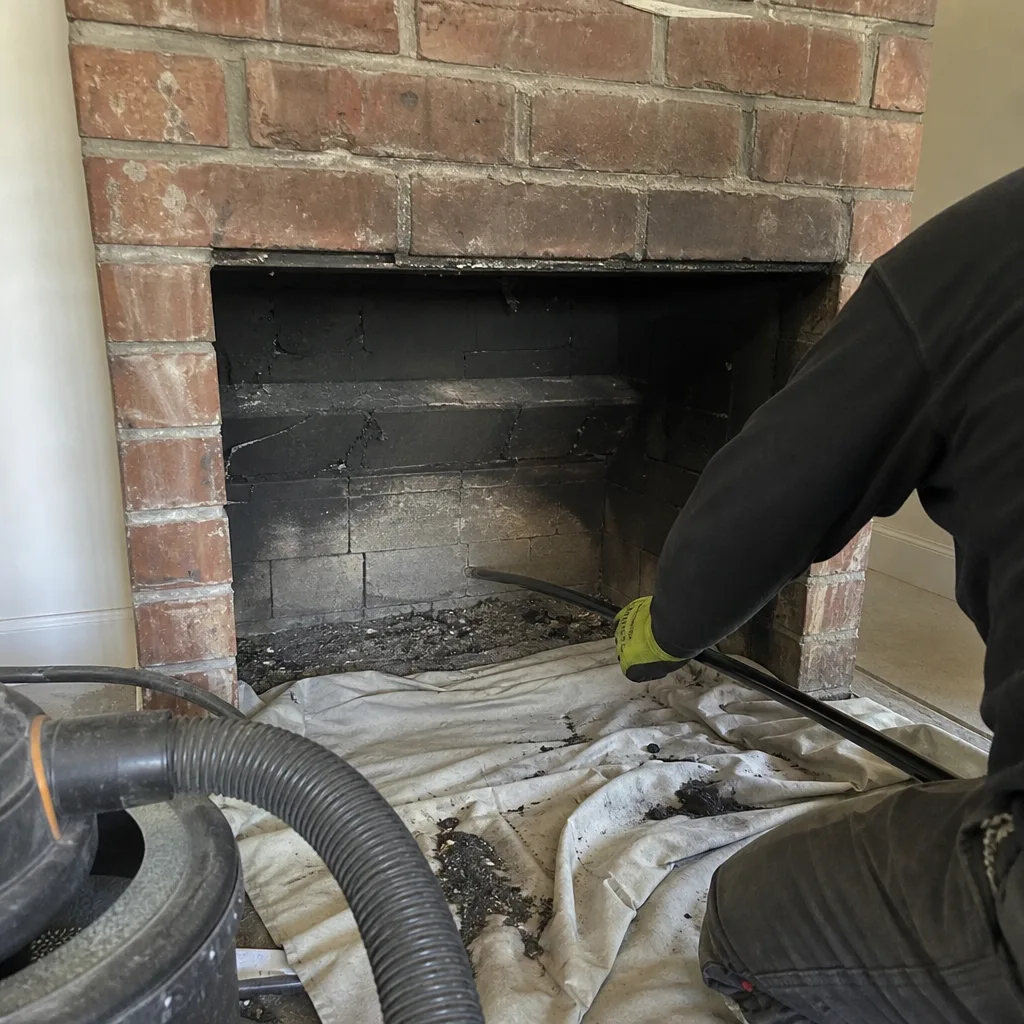
- Setup and protection. Drop cloths on the hearth, a HEPA vacuum connected and running before any brushing starts. The room should stay clean through the sweep.
- Firebox and damper check. The firebox and damper are inspected before sweeping so obstructions can be cleared first.
- Flue brushing from the bottom up. A properly sized brush attached to rods sweeps the full flue and dislodges creosote from the interior wall. The technician sweeps the smoke chamber and smoke shelf as part of standard work, not as an add-on.
- Disposal. Creosote and ash are removed from the home. A sweep who leaves the bagged debris in your driveway isn’t done.
- Inspection. Visual check of accessible components, plus a camera scan of the flue interior. Findings are documented with photos and shared with you directly – the report should show you exactly what the technician saw.
- Written report and recommendations. Any repair call is itemized with the material and the scope. If a repair can wait, the report should say so – not everything is urgent.
What a report may show: creosote on the flue walls at a given stage, cracks in the liner, gaps at the crown, a missing or damaged cap, or a damper that no longer seals. What it shouldn’t show is a recommendation to replace a liner on day one without a camera scan you can look at. That’s the difference between a diagnostic report and a sales pitch. Our technicians have up to 10 years of experience running this sequence, and we work with liner and restoration materials including DuraFlex and HeatShield when the inspection supports it.
It’s also worth knowing that not every finding means immediate repair. Small creosote deposits get swept, and the chimney is safe for the season. A cracked crown that isn’t leaking can often be scheduled for warmer weather. A cracked liner is different – that’s a documented safety issue, and it’s the one finding that justifies a prompt decision.
Common Mistakes to Avoid
- Choosing on price alone. The cheapest sweep in Provo is often a partial sweep with a verbal report. A quote is only a deal if it covers the same work as the competing quote.
- Booking a sweep without an inspection. A sweep who cleans but doesn’t inspect leaves the most dangerous problem – a cracked liner or a blocked flue – entirely undetected.
- Accepting a liner replacement on a phone photo. Ask to see the camera scan of the flue interior yourself. A real finding is documented and visible; a pressure sale is a photo of something you can’t confirm came from your chimney.
- Working with a door-knocker after a windstorm. Post-storm crews in Utah Valley often operate without a local address, a verifiable CSIA listing, or a written estimate. Legitimate specialists don’t need to hunt for customers.
- Skipping the annual sweep because you “only burn a little.” Evening-only burning still produces creosote, and creosote is a chimney fire risk at any annual volume above zero.
- Not asking whether the technician is certified or which technician will show up. A company can advertise CSIA credentials while sending an uncertified helper. Ask about the specific technician before booking.
- Ignoring a smoking fireplace through a Provo winter. A fireplace that smokes on cold nights during an inversion is giving you information. It should be inspected, not worked around.
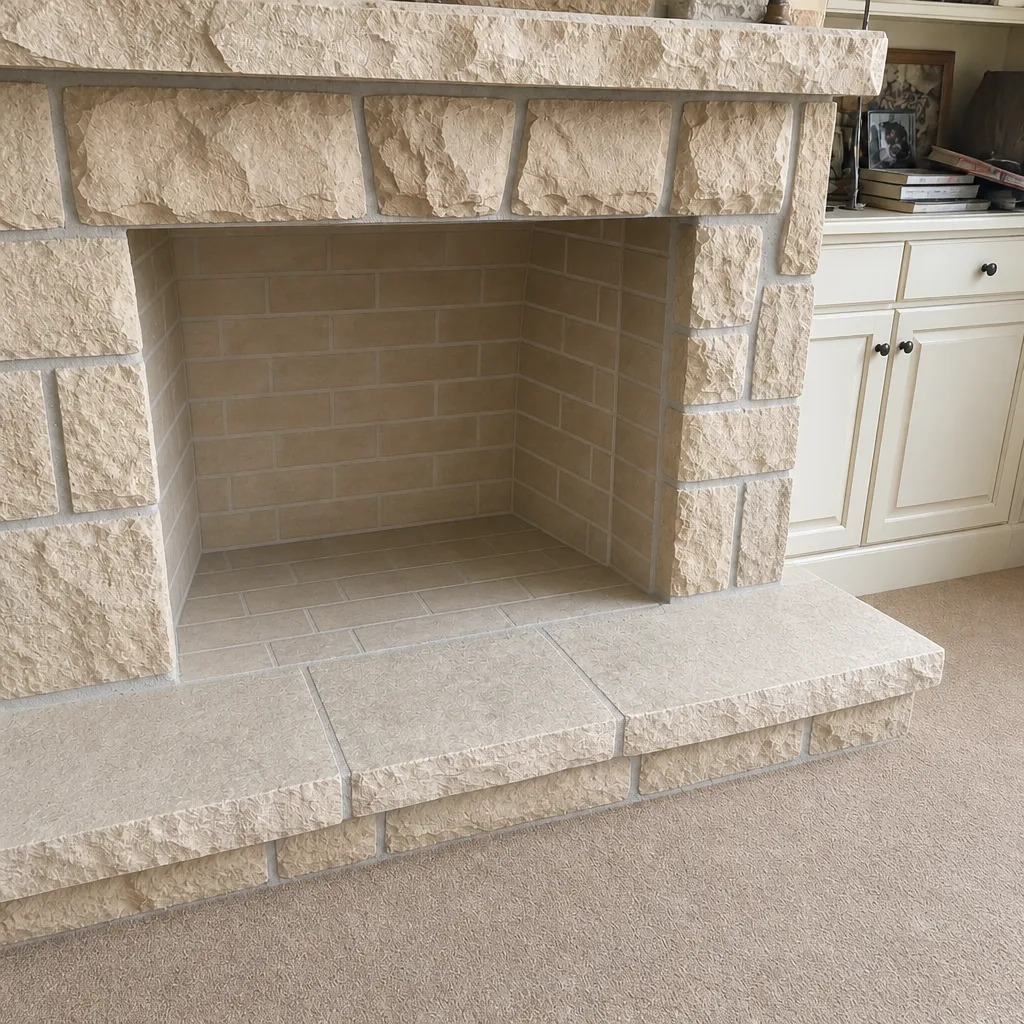
See the difference
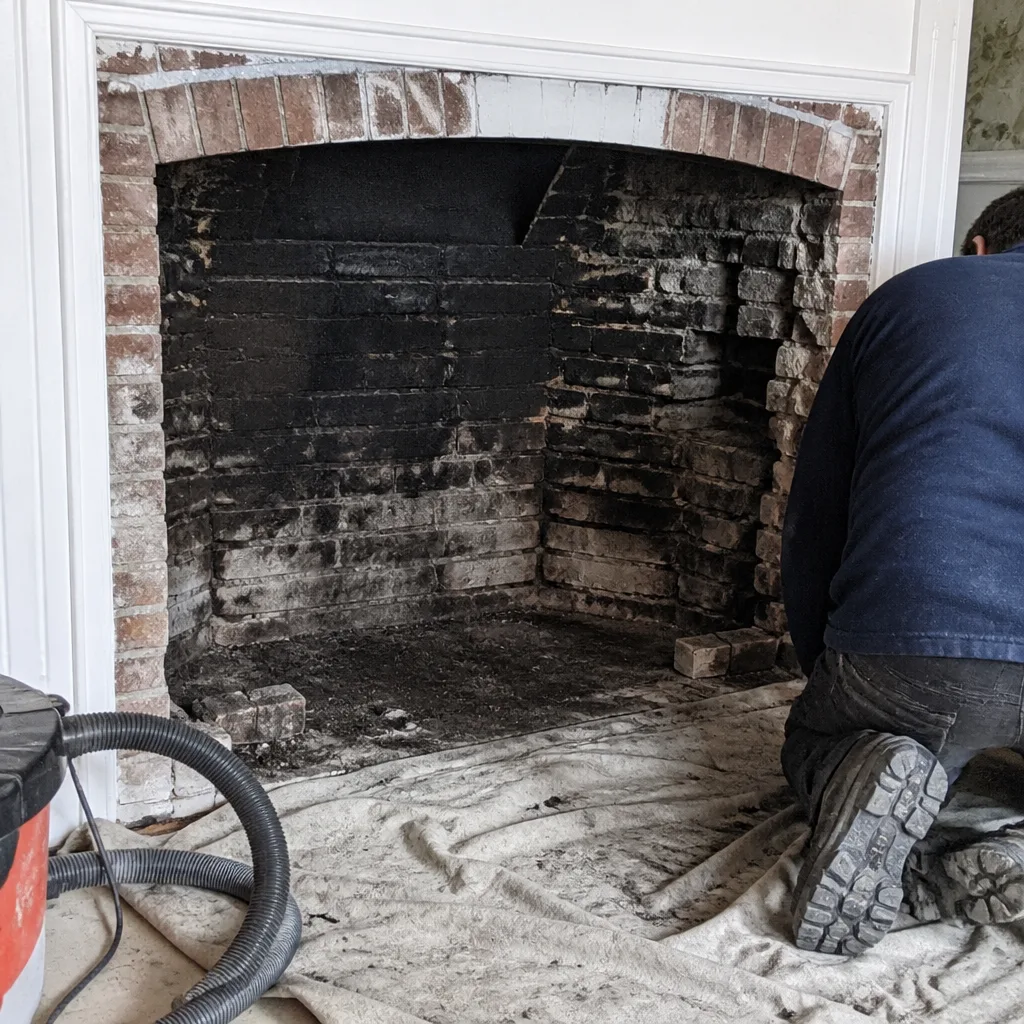 Before
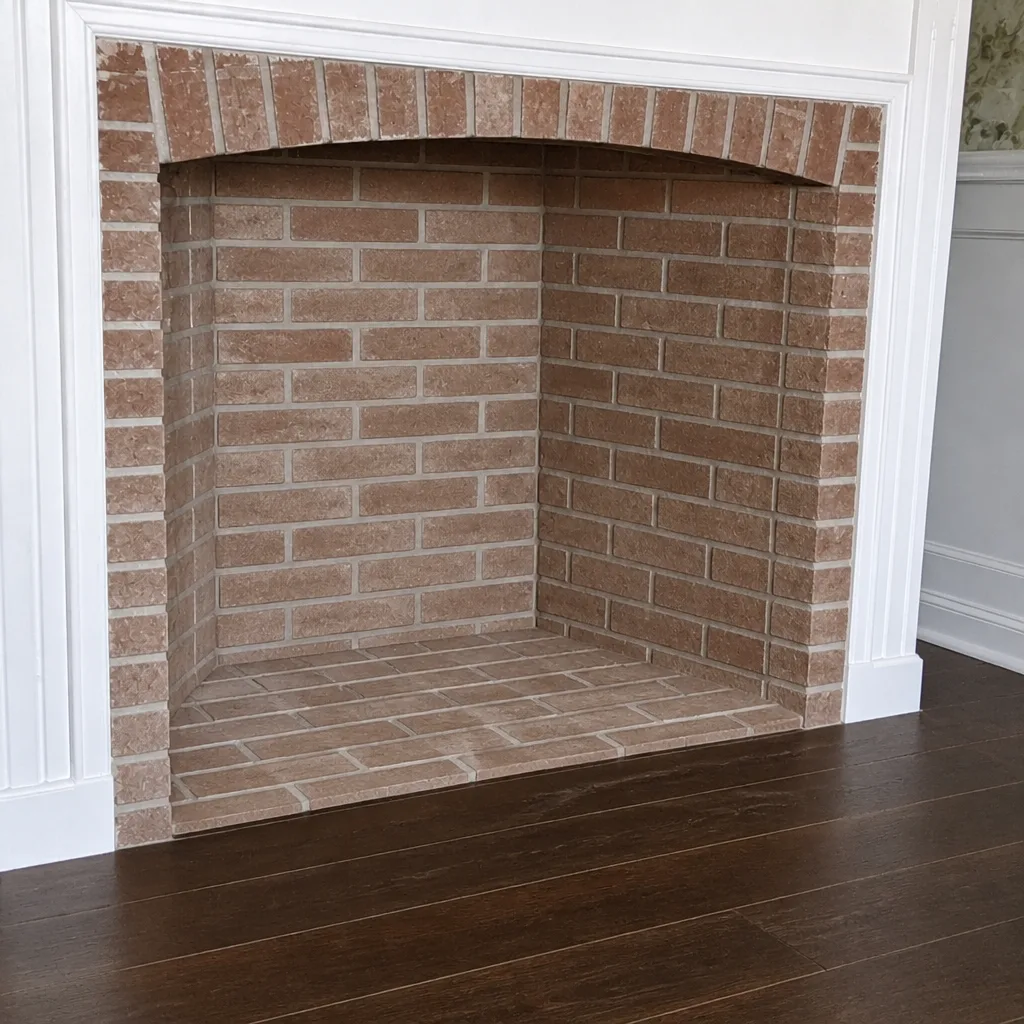 After
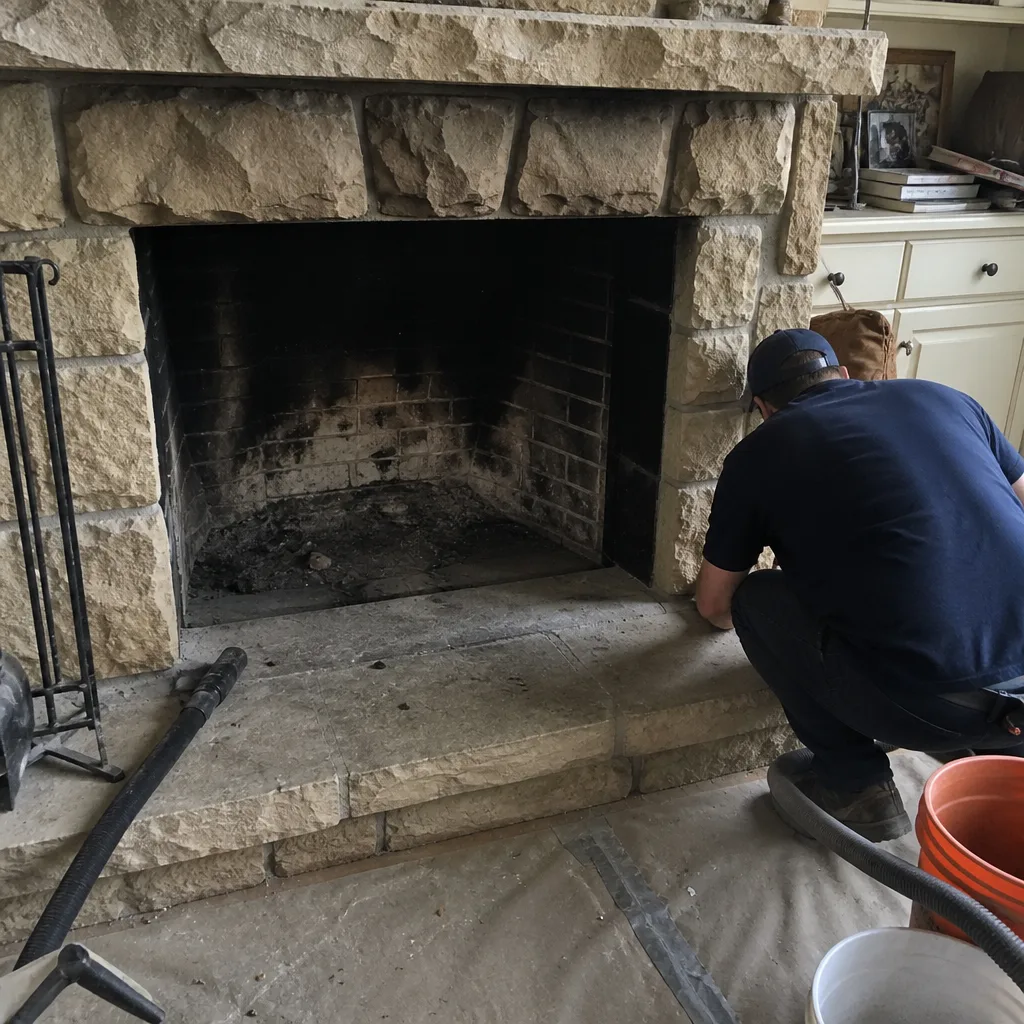 Before
 After
 Before
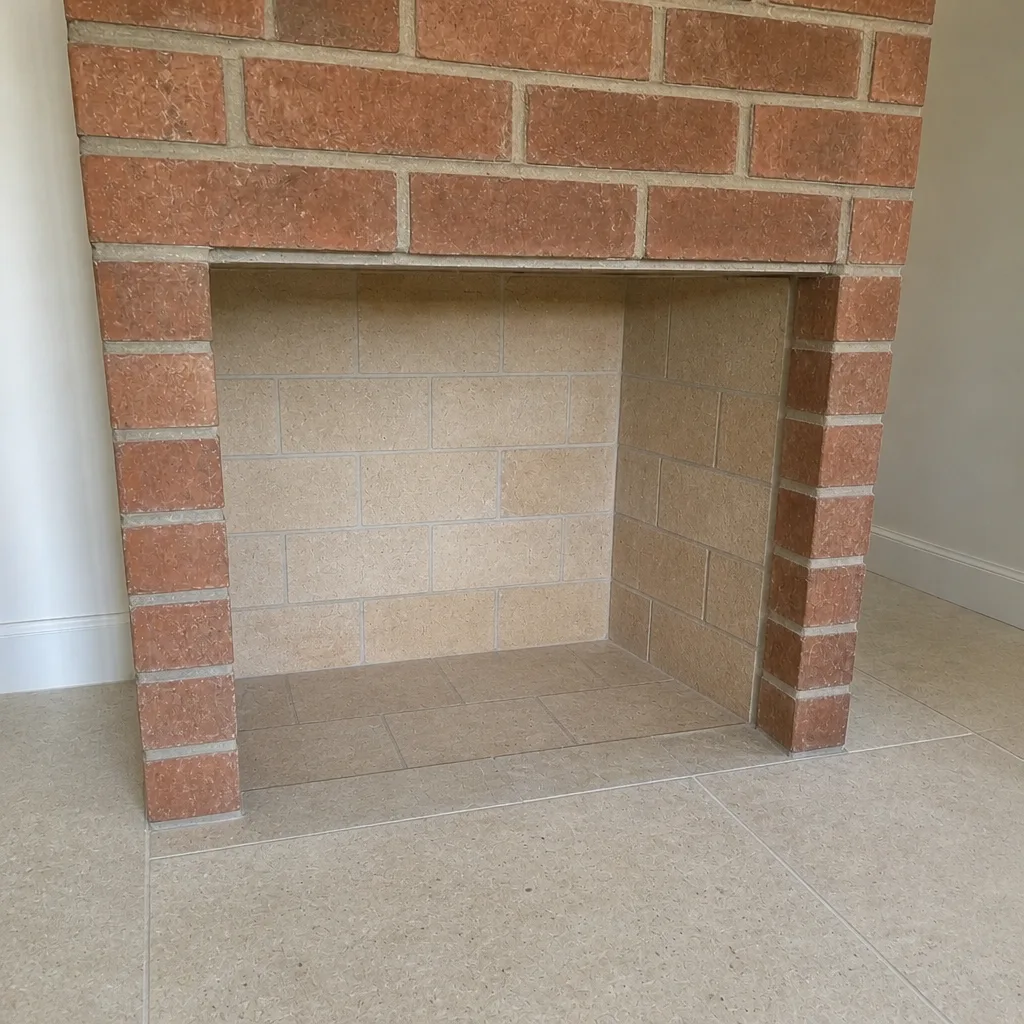 After
When to Call a Professional
Call a chimney specialist when any of these apply: you haven’t had a sweep or inspection in over a year; your fireplace or stove is burning poorly, smoking into the room, or producing more odor than it used to; you hear anything rattling or rustling in the flue; you have visible water staining on the chimney exterior, in the attic, or around the firebox; you’ve had a chimney fire at any point, even a small one that you think went out; or you’re buying a Provo home and don’t know the chimney’s service history. None of these are reasons to wait until the next burning season. A camera inspection catches most of them before they become structural repairs, and the visit is bookable without pressure – you get a report and a written estimate, and you decide from there. Provo Chimney Sweep Pros offers free estimates in Provo. Call (866) 937-8214. We answer 24/7. Fast dispatch from 7am to 7pm, Sunday through Friday.
Frequently Asked Questions
No. Utah does not issue a state license for chimney sweeps or chimney repair contractors. That makes third-party certification – CSIA Certified Chimney Sweep and NFI credentials – the closest thing to a state license you can verify, and it means your vetting is the safety check. Confirm the technician’s certification in the CSIA lookup tool before the appointment, not after. Call (866) 937-8214 if you want to talk through what a certified full-system inspection includes.
A proper estimate itemizes the sweep, the inspection level, any recommended repairs, and whether a photo report is included. Line items should name the component and the material – “cap and crown replacement” rather than “repair” – and the total should reflect the scope described. Vague line items are the signal that findings won’t be documented. The estimate is written, free, and the price is set per job by that estimate, not adjusted after work starts.
Compare scope, not totals: list what each quote sweeps, what inspection level is included, whether a camera scan and written photo report are part of the work, and whether repair recommendations are itemized separately. A $150 quote is often a flue-only sweep with a verbal report. A $350 quote usually includes the firebox, smoke chamber, camera scan, and photo documentation. Once scoped, the difference is usually a different product, not a different price for the same product.
Annually for most Provo households, and that cadence holds whether you burn every cold night or a few evenings a week. Cold Utah Valley winters mean heavy seasonal burn time, and creosote builds regardless of whether you notice it. Wood-burning households with heavy use should have both the sweep and the inspection at the same visit. If you’re not sure when the last sweep was, book an inspection to establish a baseline. Call (866) 937-8214 for an exact quote – estimates are free.
Yes, and it’s the preventive step most Provo homeowners skip. Utah Valley’s dry summer air plus freeze-thaw at the chimney crown is a pattern that opens cracks over time, and a cracked crown lets water into the masonry above the firebox. A proper cap keeps rain, birds, and debris out of the flue; a sound crown keeps water from working into the masonry around it. Both are checkable during a standard inspection.
Ask to see the camera scan of the flue interior before making any decision. A liner recommendation without visible documentation is not a diagnosis, and liner replacement is the most common pressure-upsell in chimney work. Sometimes replacement is genuinely necessary – a cracked or separated liner is a documented safety issue. But there’s also HeatShield liner restoration, which can address some liner condition issues without a full replacement, and not every sweep has that capability. Call (866) 937-8214 for an exact quote on a second opinion inspection – estimates are free.
The Bottom Line
Hiring a chimney contractor in Provo comes down to a credential check and a scope comparison, not a price hunt. Utah doesn’t license sweeps, so verify CSIA and NFI credentials on the lookup tools, ask the five scoping questions before you book, and compare estimates line item by line item. The red flags are specific to this market: post-storm door-knockers in Utah Valley, liner pressure-sells on a single phone photo, and quotes that skip the inspection entirely. A certified specialist with a camera and a written estimate will show you exactly what’s in your system. If you’re ready to check for the first time or get a second opinion, we can help. Call Provo Chimney Sweep Pros at (866) 937-8214 for a free estimate. We answer 24/7. Fast dispatch from 7am to 7pm, Sunday through Friday. From firebox to flue cap, everything in one visit. Visit Provo Chimney Sweep Pros for the full range of chimney work.
Written by the team at Provo Chimney Sweep Pros.