
Last updated November 25, 2026
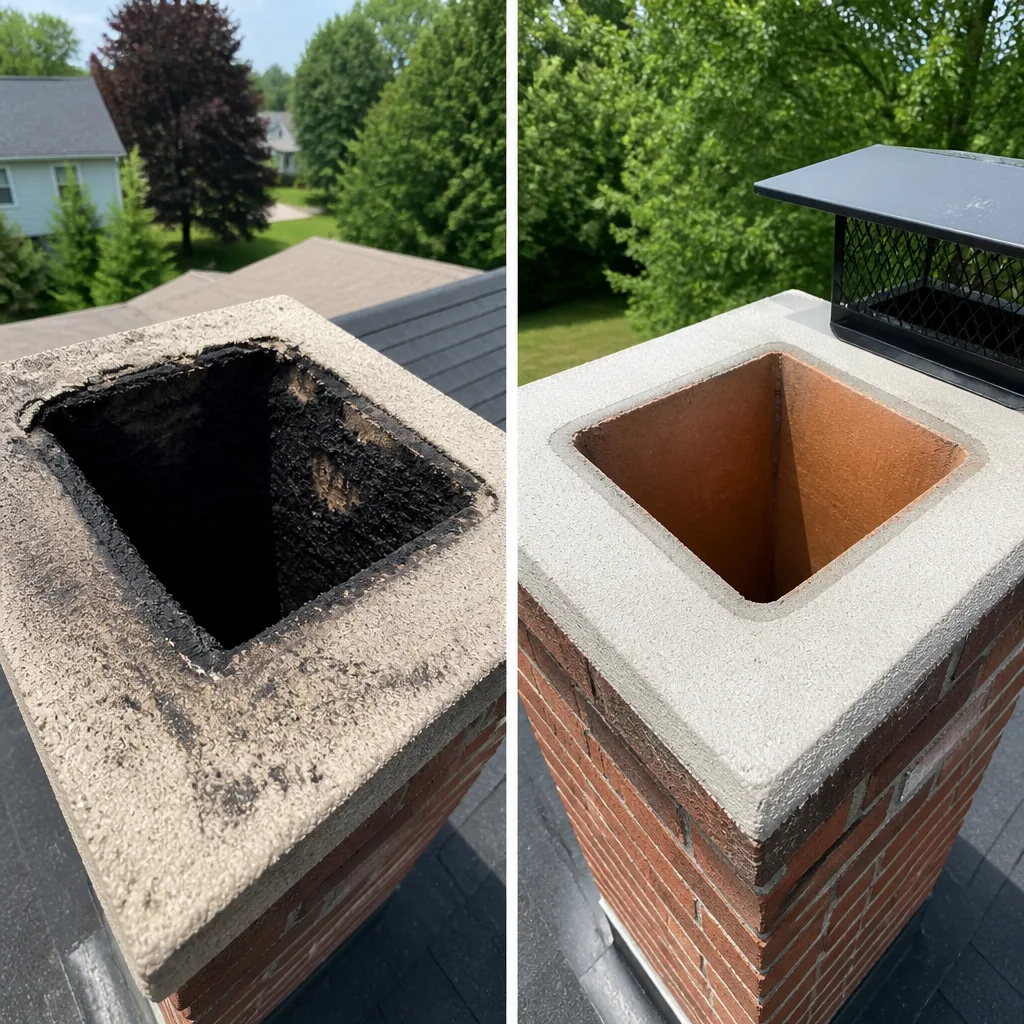 Sweep & inspection
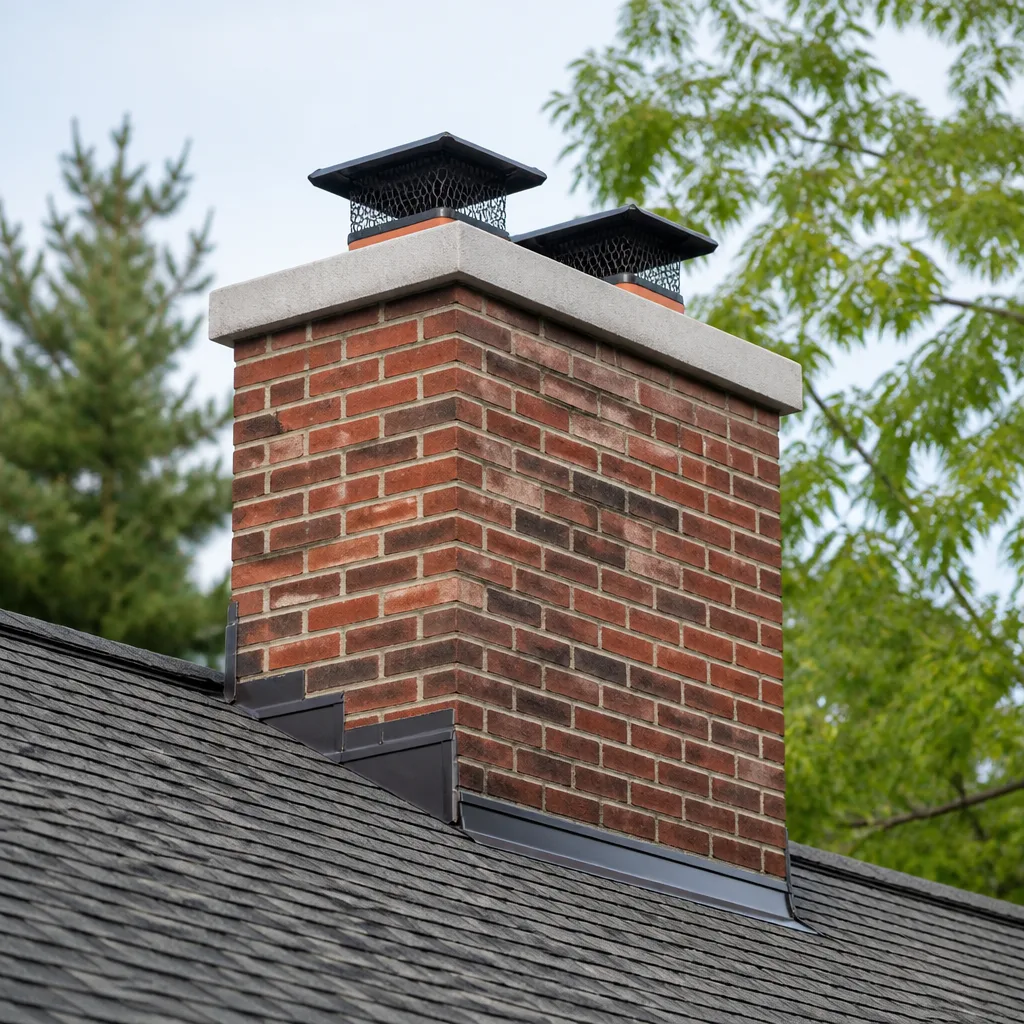 Caps & crowns
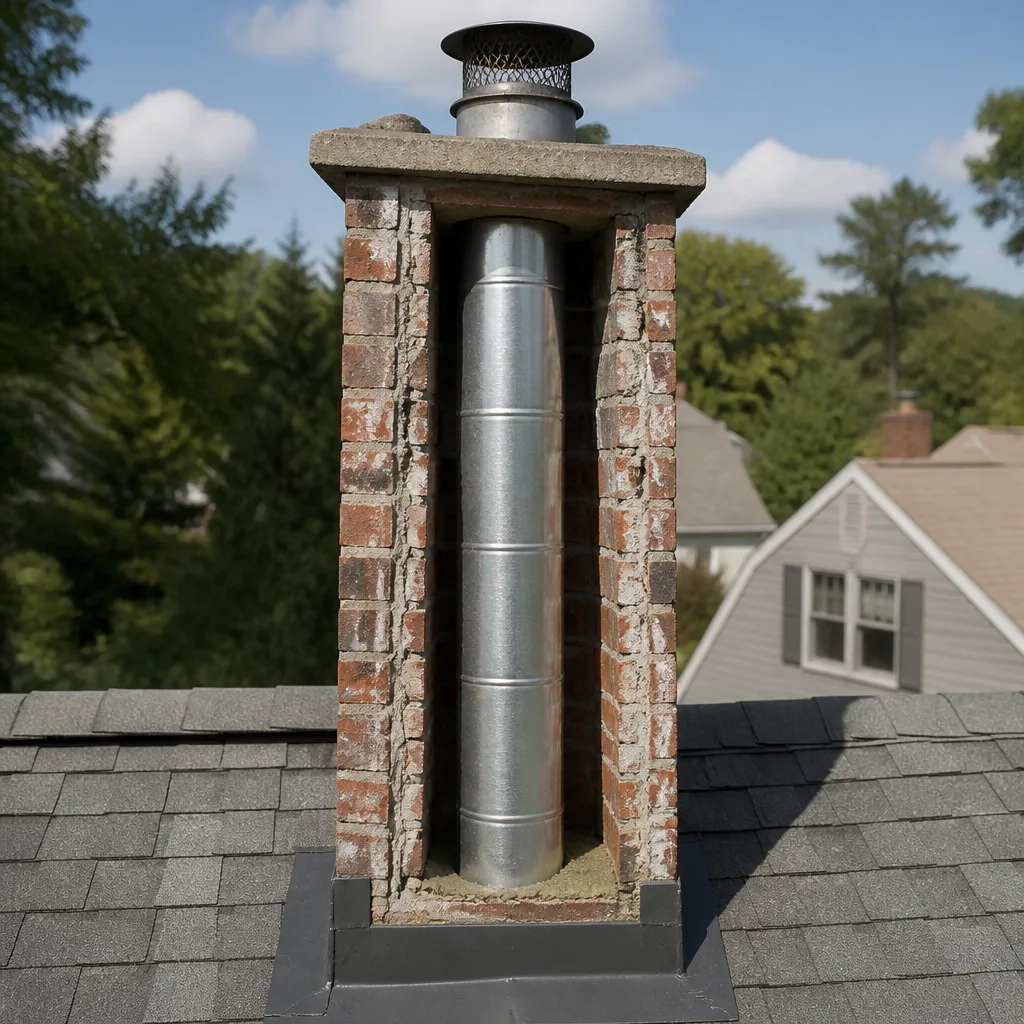 Flue relining
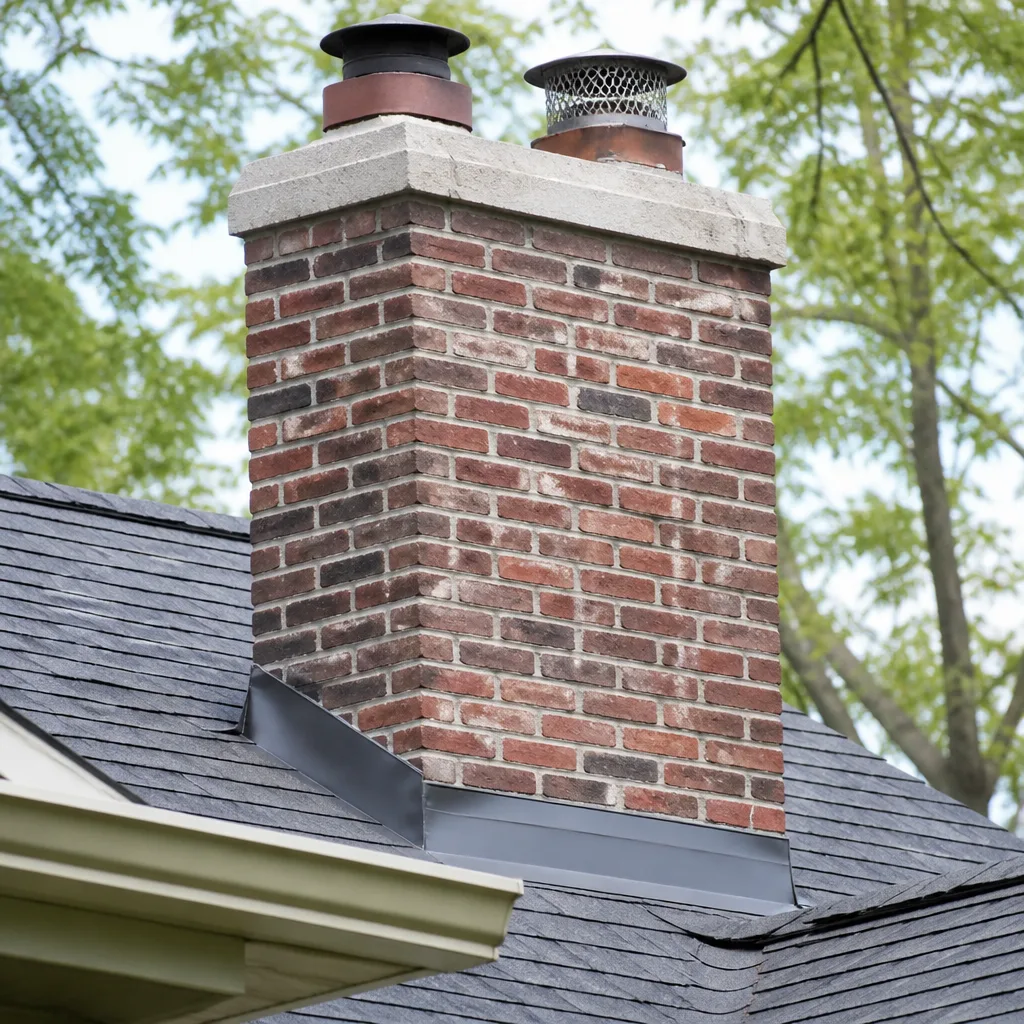 Masonry repair
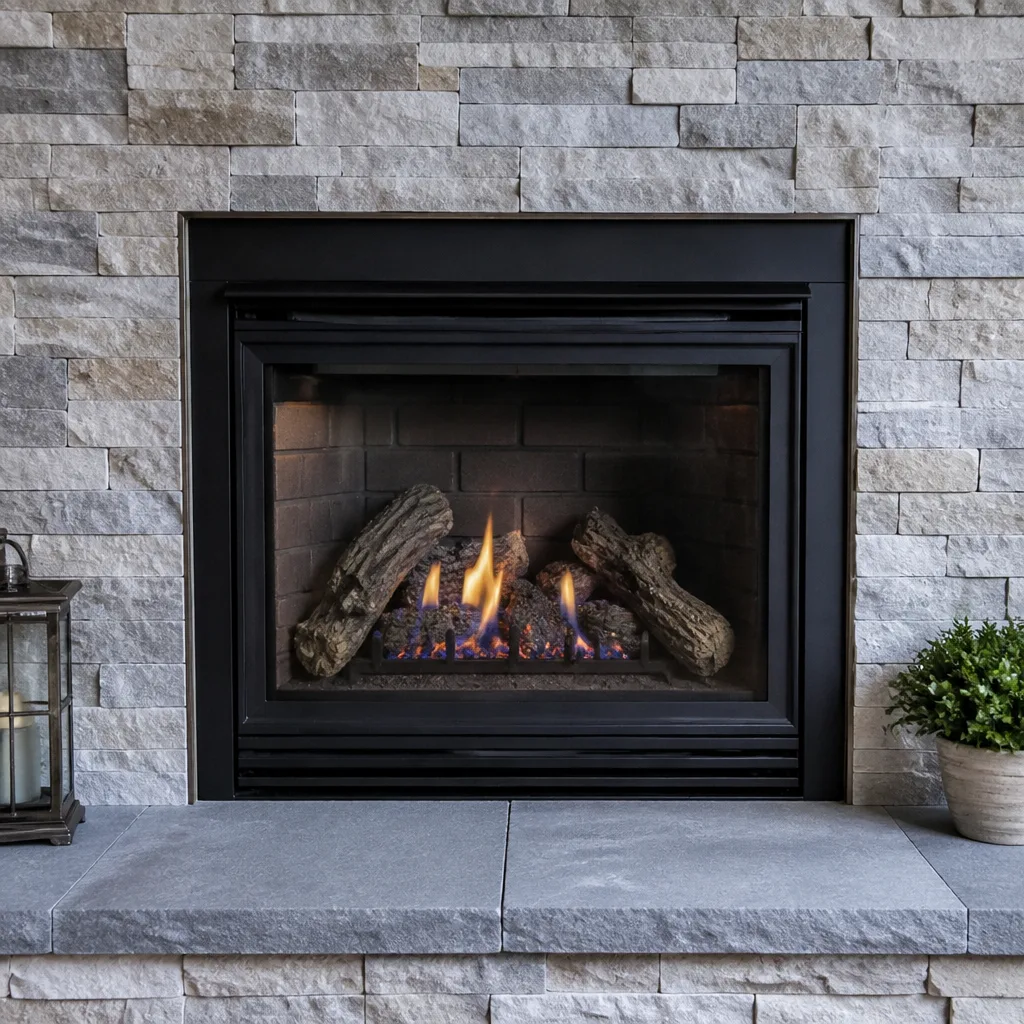 Gas fireplace service
Level 1 sweep and inspection to the NFPA 211 annual standard - flue, crown, cap, and flashing checked and photographed
Chimney sweep logs do not sweep chimneys. They loosen some creosote - which then falls where a brush and vacuum still have to collect it.
Chimney Cleaning Warning Signs: A Provo Homeowner’s Reference Guide
The smell of a chimney fire isn’t smoke. It’s a sharp, acrid, almost plastic-burning odor that’s easy to wave off as a neighbor’s yard waste or a cold diesel engine. By the time visible smoke backs into the room, the event is already underway inside the flue. What most warning-sign lists give you is “white stains” and “odd smells” – vague enough to mean anything, useful enough to mean nothing. This guide does the opposite. We translate the specific things you see, hear, and smell into the exact chimney component that’s telling on itself, so that when you call a sweep in Provo you can describe what you found and get the right service the first time.
Quick Answer
The warning signs that actually matter are specific: a sharp acrid smell after a fire, rust streaks on the damper, spalling firebrick in the firebox, a hollow thud when you tap the smoke chamber, and a lazy, smoldering flame that won’t draw. Each one points to a named component – liner, damper, crown, cap, or masonry – not a general “your chimney needs work.” Learning to read these signals is how you avoid both a house fire and an unnecessary repair bill.
Styles & brands we work with
- Sweep & inspection
- Caps & crowns
- Flue relining
- Masonry repair
- Gas fireplace service
Table of Contents
- The Symptom-to-Component Diagnostic Table
- Three Smells, Three Different Problems
- What the Firebox Tells You Before Anyone Climbs the Roof
- Lazy Flame and Poor Draft: Reading Fireplace Behavior
- Sounds You Should Never Hear From a Chimney
- The Triage Framework: What Waits, What Doesn’t
- Why Provo Chimneys Age the Way They Do
- What a Real Inspection Covers
The Symptom-to-Component Diagnostic Table
Most guides stop at the symptom. The useful part is the translation. Here’s how we map what a homeowner reports to the component that’s likely behind it. This is the same mental grid our technicians run when they walk a Provo home for the first time.
| Symptom | Likely Component | Why It Happens |
|---|---|---|
| Sharp acrid smell during or after a fire | Flue liner / creosote in the flue | Creosote igniting or off-gassing under heat |
| Musty, damp, earthy odor in warm weather | Crown, flashing, or cap | Water intrusion soaking masonry |
| Ammonia-like or animal odor | Cap or flue top | Nesting birds, squirrels, or bats |
| Rust streaks on the damper plate | Damper / crown | Condensation and water running down the flue |
| White chalky powder on the smoke chamber | Masonry / smoke chamber | Efflorescence – moisture pushing salts out of brick |
| Crumbling firebrick in the firebox | Firebox refractory | Spalling from heat cycling and moisture |
| Lazy flame, smoke rolling into the room | Flue sizing, liner restriction, or cap blockage | Reduced draft from obstruction or undersized flue |
| Tapping the smoke chamber sounds hollow | Smoke chamber mortar | Deteriorated parging behind the visible brick |
| Loose or missing cap | Chimney cap | Wind, weather, or failed fasteners |
| Cracked or crumbling crown | Chimney crown | Freeze-thaw cycles and settling |
The point of the table is triage. A rust streak on the damper is a water-management conversation. A sharp smell during a fire is a stop-and-call conversation. Two very different afternoons.
Three Smells, Three Different Problems
Homeowners use “it smells weird” for at least a dozen distinct conditions. The nose is actually a decent diagnostic instrument – it just needs calibration.
Creosote odor
Creosote has a distinct, sharp, almost tar-and-plastic burn when it’s hot. It’s the smell of a flue that’s carrying more unburned material than it can safely handle. If you smell that sharp note during a fire, especially with a whooshing or rumbling sound, treat it as a chimney fire event and clear the house. Even when the fire is out, creosote that’s been sitting in the flue gives off a smoky, resinous odor on warm days – the classic “my fireplace smells in summer” complaint. That’s often a draft reversal pulled by the seasonal temperature difference, and it points to a flue that needs sweeping, not a mystery.
Mold odor
Mold smells damp, earthy, and stale, like a basement. In a chimney, that smell almost always means water is getting in through a failed crown, flashing, or missing cap. The liner isn’t the culprit; the water-management envelope is. Left alone, moisture degrades mortar and lets freeze-thaw cycles do real damage to masonry. Provo’s cold winters make this the most expensive overlooked signal on the list.
Animal intrusion odor
Birds, squirrels, and bats produce a distinctly different odor – sharper, often ammonia-tinged, sometimes with an audible flutter or scratching. This is a cap problem first and a cleaning problem second. The animal gets removed, the flue gets swept, and the cap gets replaced with something the next squirrel can’t chew through. Olympus Chimney caps and similar name-brand caps are the kind of product we install for exactly this reason.
What the Firebox Tells You Before Anyone Climbs the Roof
You can learn a lot about a chimney without leaving the firebox. The firebox is the nearest component to the fire itself, and its condition is a proxy for what’s happening higher up. Here’s what to look for on your next cold night, before you light up.
- Spalling firebrick. Firebrick should be intact, with crisp edges and no flaking. Crumbling, chipped, or powdery brick means the refractory has absorbed moisture or been heat-cycled too hard. That’s a firebox repair conversation, not just a sweep.
- Efflorescence on the smoke chamber. White chalky powder above the damper is salts pushed out of the masonry by moisture. It’s the chimney’s way of telling you water is running down inside. The fix is usually a crown or flashing repair plus a HeatShield application on the smoke chamber to seal the surface.
- Rust streaks on the damper plate. A dry cast-iron damper in a dry chimney doesn’t rust. Rust streaks mean condensation and water running down from above, usually a failed crown or missing rain cap.
- Loose or crumbling mortar joints. If you can pick mortar out of the joints with a screwdriver, the masonry is weakening. Repointing is the fix, and it’s cheaper than a rebuild.
- Damper operation. The damper should open and close smoothly with the handle. A stuck damper is a draft killer and eventually a rust-and-replace job.
None of these require you to climb a ladder. They’re all visible from the hearth. That’s the point of starting here.
Lazy Flame and Poor Draft: Reading Fireplace Behavior
A fire that won’t draw is not a fireplace being stubborn. It’s a system trying to tell you what’s wrong. Translating the behavior into the right service call is the whole game.
- Smoke rolling into the room when you open the door. Usually a blocked cap or an obstruction – bird nest, leaf mass, or a collapsed flue tile. Draft can’t win against a plugged top. This is a chimney sweep plus a cap inspection.
- Lazy, smoldering flame that never builds. Often an undersized flue for the size of the firebox, or a liner that’s restricted by heavy creosote. It’s a sizing or cleaning question, and it changes with the appliance – a wood insert needs a different relationship to the flue than an open fireplace.
- Fire burns well, then dies suddenly. Look for a partial obstruction – a sagging liner, a broken tile, or an animal nest near the top that shifts as the fire heats up.
- Draft reversal on warm days. Common in Provo’s shoulder seasons. A cold flue pulls harder than a warm room, and when the outside temperature is close to the house temperature, the flue can reverse. A pre-warm with a rolled newspaper near the damper usually cures it, and a properly fitted cap helps in the long run.
- Smell in summer with no fire. That’s creosote and moisture in the flue reacting to warm air. A sweep before burning season is the fix.
If the behavior matches more than one of these, that’s exactly the description to use on the phone. A good sweep can tell you in two minutes which service call is right.
Sounds You Should Never Hear From a Chimney
Sound travels down an open flue with surprising clarity. Some sounds are normal – a soft whoosh, the pop of pitch in pine, the settling of a wood load. Others aren’t.
Rumbling or a low roar during a fire is the sound of a chimney fire. Get everyone out, call the fire department, and don’t put water on it unless the fire department says to. After the event, the chimney needs a professional inspection before you use it again – a chimney fire can damage a liner without the fire ever leaving the flue.
Scratching or fluttering, often at dawn or dusk, is an animal. Squirrels and bats are the usual suspects in Provo. The cap is the first line of defense, and a proper cap with a spark-arresting screen is the seal.
Ticking or ticking-then-bang from the firebox is thermal expansion of metal in the damper or firebox liner. Usually benign, occasionally the first sign of a loose damper assembly.
Whistling from the top of the chimney when it’s windy is the cap or a loose flue tile vibrating. It’s worth a look, not a panic.
Hissing during a fire when you light it is moisture boiling out of green wood or a wet firebox. It’s a wood-quality cue more than a chimney cue.
The Triage Framework: What Waits, What Doesn’t
The most valuable part of reading your own chimney is knowing how urgently to act. Here’s how we grade the warnings when a Provo homeowner calls us.
Call today (same-day service)
- A chimney fire event – rumbling, roar, sharp smell, or visible smoke escaping the flue. The fire department handles the event; a professional inspection happens after, before the fireplace is used again.
- Smoke rolling into the room from a fire you just lit – this can push carbon monoxide back into the living space. Open a window, put the fire out, and call.
- Any sign of carbon monoxide – a CO alarm, headaches, dizziness, or drowsiness while a fire is burning. Clear the house and call 911 first, then us. A blocked or damaged flue can turn a fireplace into a CO source.
Schedule within the week
- A lazy flame that’s been getting worse over several fires. Draft problems are a slow creep.
- Rust streaks or efflorescence appearing for the first time. Water intrusion is a repair that grows if you wait, but a week won’t ruin the house.
- A missing or damaged cap after a windstorm. The cap is the chimney’s roof, and it should be back on before the next rain.
Schedule before burning season
- Annual or pre-season sweep for anyone who has burned more than a cord of wood.
- Spalling firebrick that isn’t yet crumbling to the touch. Watch it, and get it inspected.
- Mild creosote odor in summer. Sweep before the fall.
Triage isn’t about scaring anyone into a service. It’s about matching the urgency to the actual system condition, because a Provo homeowner who knows which category they’re in can ask for the right service on the first call.
Why Provo Chimneys Age the Way They Do
Provo has a climate with real teeth for masonry. The cold winters and the freeze-thaw cycle push moisture in and out of brick and mortar every season, which is why crowns crack and firebrick spalls here faster than homeowners expect. The long shoulder seasons also produce draft reversals when homeowners fire up in October before the outside air is cold enough to pull hard. That combination – water damage from above and draft issues from the transition seasons – drives most of the warning signs Provo homeowners actually call us about.
The housing stock matters too. Older homes around the Provo Temple and the neighborhoods near downtown often carry original masonry chimneys that have been through many decades of freeze-thaw. Newer construction in the foothills tends to have different issues – prefabricated fireplaces with metal liners that need their own service approach. Neither is “wrong,” but a warning sign in one type of chimney doesn’t always mean the same thing in the other. That’s why a good sweep runs a camera and takes photos on every job; the Provo homeowner should be able to see exactly what we’re seeing.
What we hear from Provo homeowners most often is suspicion. They’ve been told they need a liner or a crown repair and they have no way to verify it. The answer is that nothing gets recommended without camera evidence the homeowner sees for themselves – and we tell them plainly when work can safely wait.
What a Real Inspection Covers
A sweep cleans the flue. An inspection diagnoses the system. A Provo homeowner who’s worried about warning signs needs both, and the inspection should be thorough enough to catch what you can’t see from the hearth.
- Visual inspection from the firebox up. Firebox, damper, smoke chamber, and the visible portion of the flue.
- Camera inspection of the flue. A video feed that documents cracked tiles, gaps in the liner, creosote thickness, and obstructions. This is where most of the diagnosis actually happens.
- Rooftop inspection of the crown, cap, and flashing. These are the water-management components and the first things to fail.
- Draft and combustion checks. Does the flue pull as designed for the appliance you’re running?
- A written report. Findings, photos, and recommendations in plain language. Nothing you can’t understand, nothing you can’t verify.
This inspection pattern is aligned with NFPA 211 standards, which is the trade’s shared reference for chimney and venting safety. It’s the difference between a sweep-only service and a specialist diagnostic. If you’ve ever wondered whether the last person who looked at your chimney was checking anything real, this is what a real inspection looks like.
Sometimes the inspection turns up damage a full liner replacement would normally address. That’s where a HeatShield liner restoration can save the homeowner thousands of dollars over a replacement, depending on the condition of the existing flue. DuraFlex liner systems are the other common fix for a flue that’s deteriorated beyond restoration. Copperfield and Olympia Chimney cap and crown products are what we use when the repair is about keeping water out. Bringing in the right product name matters because a general handyman is working with whatever the hardware store sold them, not the trade-grade material this job calls for.
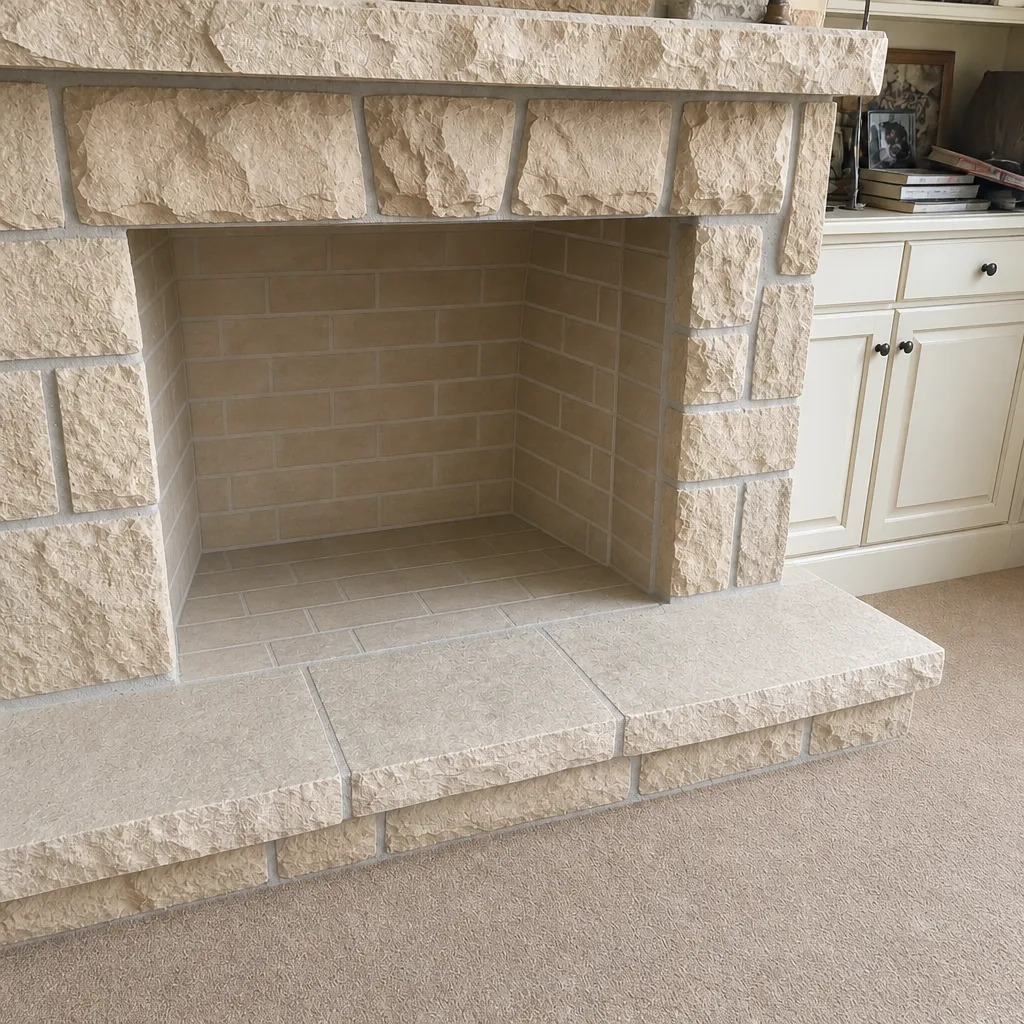
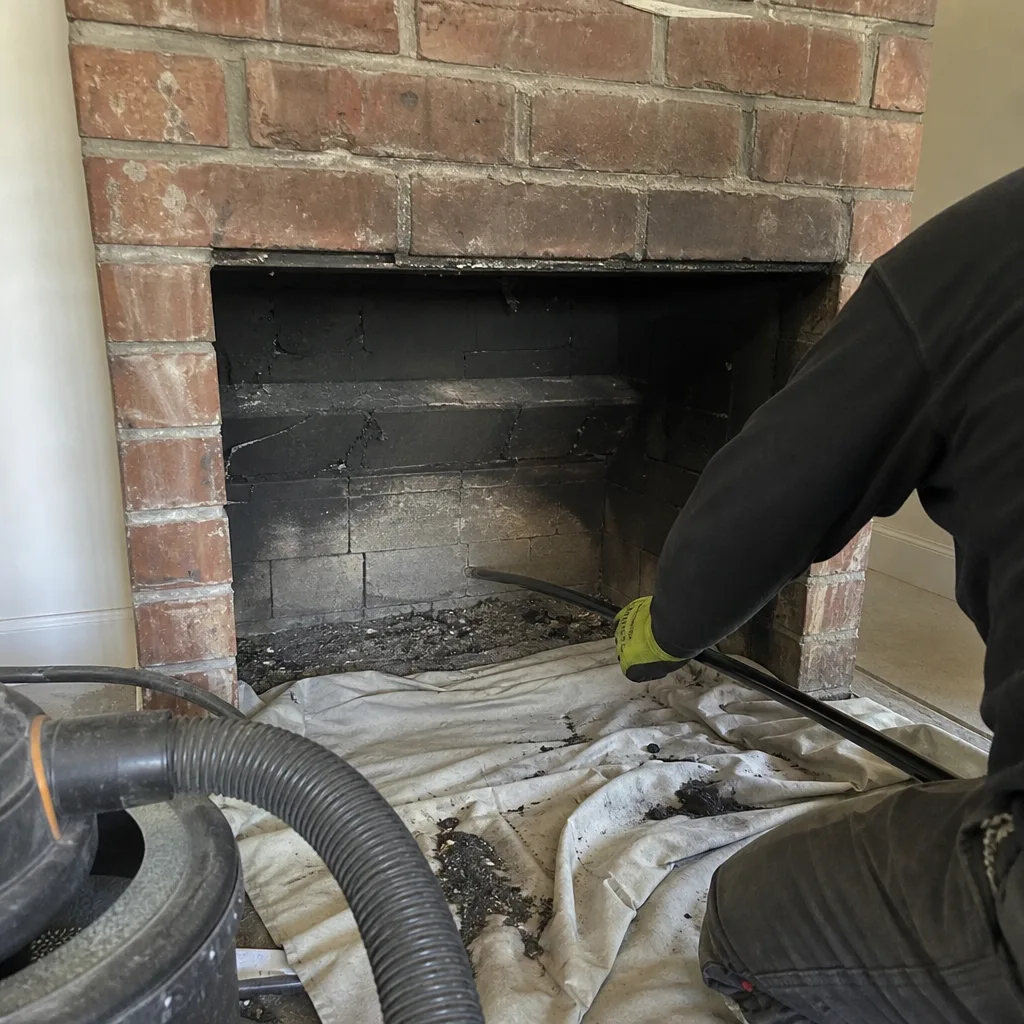
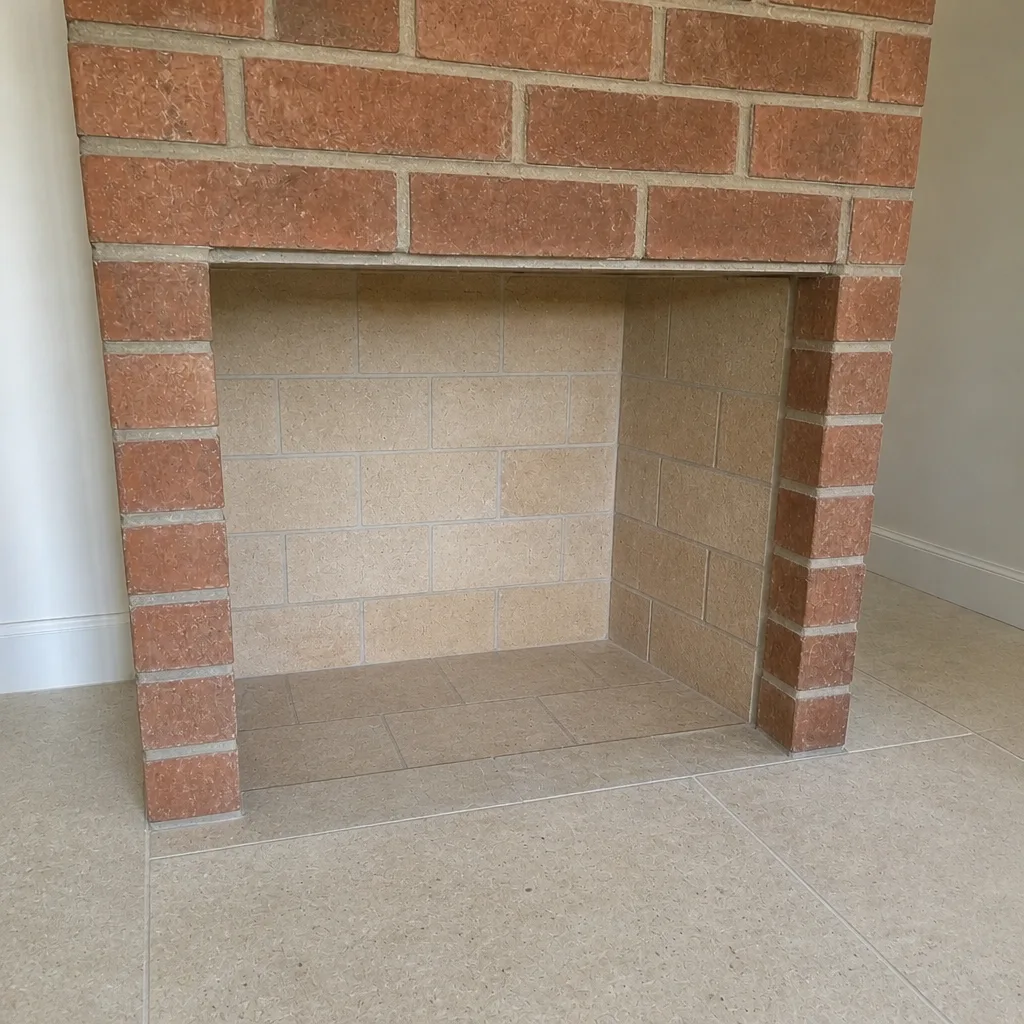
See the difference
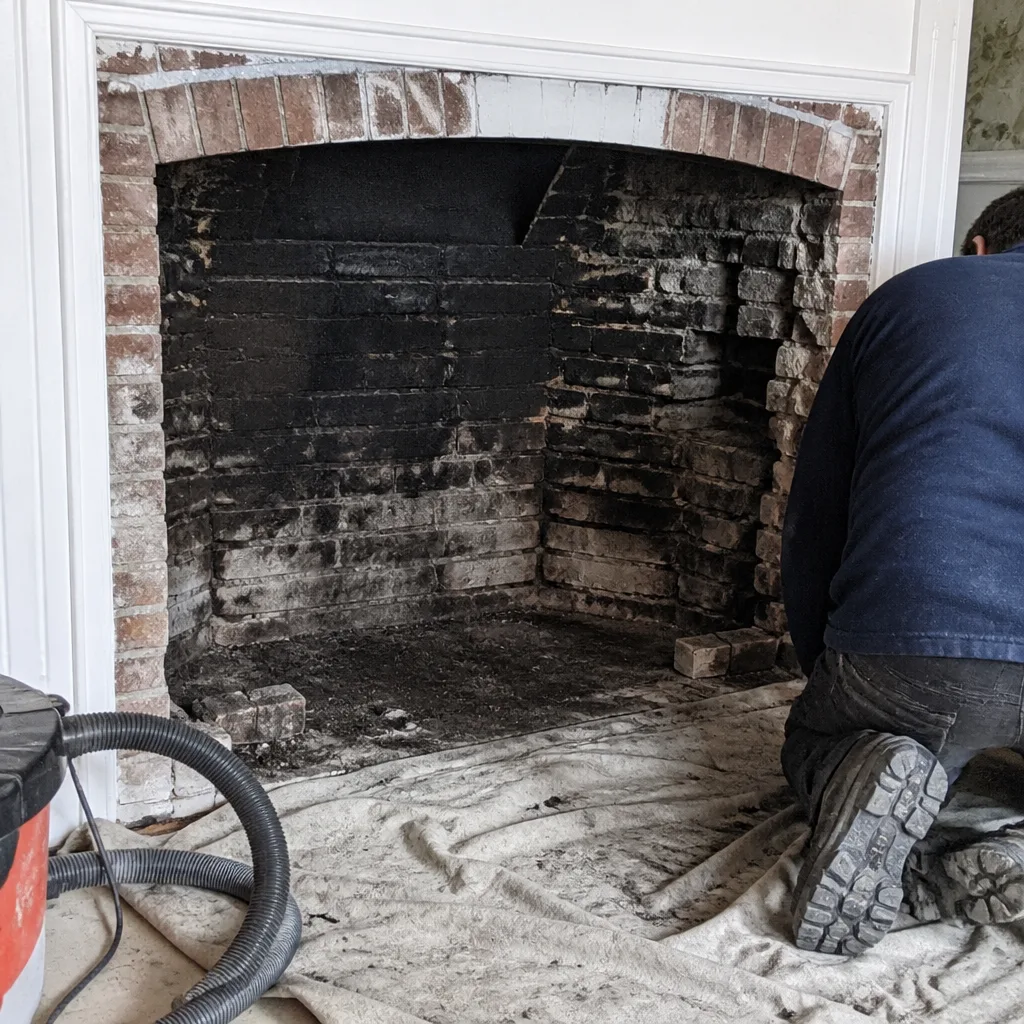 Before
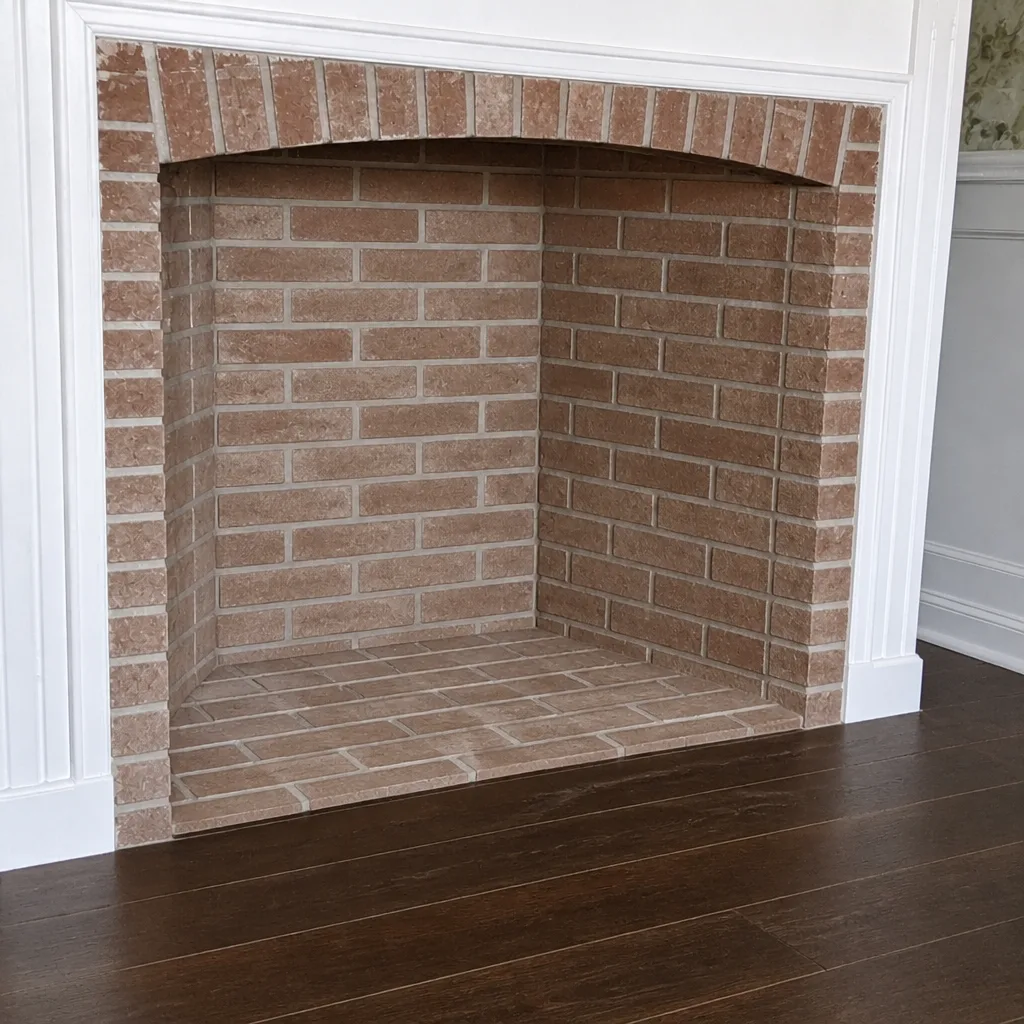 After
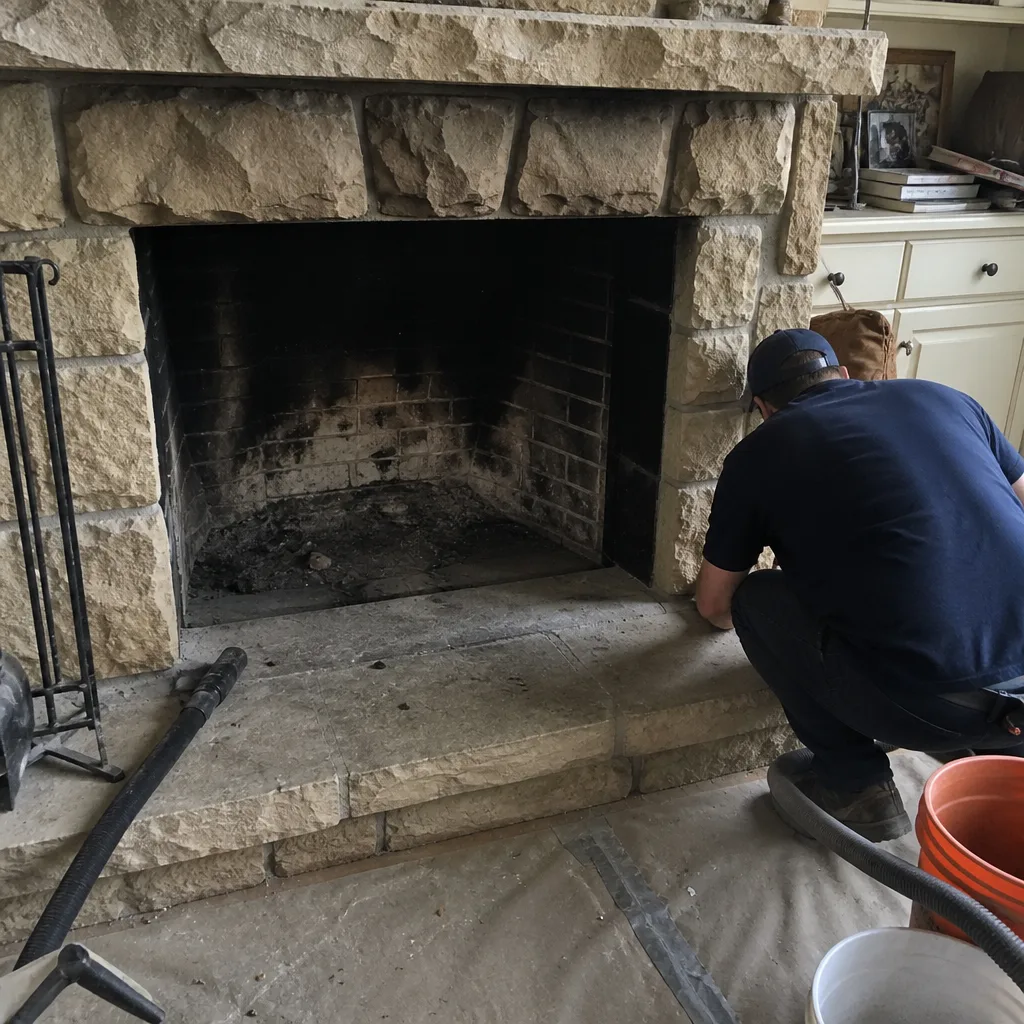 Before
 After
 Before
 After
Common Mistakes to Avoid
- Waiting for “visible smoke” before calling. By the time smoke backs into the room, the event is already in progress. The sharper warning is the acrid smell during a fire, the sound that doesn’t match the burn, or the draft that used to work and doesn’t. If something changed, that’s the call.
- Treating a rust streak as cosmetic. Rust on the damper plate is a water-management signal, and in Provo, water in masonry is the beginning of a repair that gets more expensive every season. Catch it while it’s a crown repair, not a rebuild.
- Painting over efflorescence. White powder on the smoke chamber is the symptom of moisture. Paint traps the moisture and accelerates masonry damage. The fix is finding the water source, which is usually the crown or flashing, and sealing the surface with something designed for the job, like a HeatShield application.
- Assuming the cap doesn’t matter. A missing or damaged cap lets water, animals, and debris straight into the flue. It’s the chimney’s roof, and it’s the cheapest preventive service on the list.
- Burning unseasoned wood because it’s what’s stacked. Wet wood loads the flue with unburned material and directly grows the creosote layer. The smell in summer that follows is that creosote announcing itself.
- Using a general handyman for a chimney problem. Chimney systems have their own code standards, their own diagnostic tools, and their own material brands. A handyman who does chimneys “on the side” is doing plumbing, roofing, and fences the rest of the week. A specialist runs this system from firebox to flue cap.
- Skipping the annual inspection because “the fire still lights.” Fires light with serious liner damage. The inspection is the only way to know the difference, and it’s cheaper than the repair you find out about later.
When to Call a Professional
Any warning sign that involves fire behavior, smell, or sound during a burn is a call. Any sign that involves water, rust, crumbling brick, or a missing cap is a scheduled inspection. Any sign that’s been sitting quietly for years without a professional look deserves the annual inspection you’ve been putting off. The check is not expensive; the alternative is. From firebox to flue cap, the whole system needs eyes on it. If you’re in Provo, our fireplace repair and chimney repair specialists can look at yours and tell you honestly what needs attention now and what can wait. Provo Chimney Sweep Pros offers free estimates in Provo – call (866) 937-8214. We answer 24/7, and our technicians have up to 10 years of experience with every brand in the system.
Frequently Asked Questions
Not necessarily – white stains on the outside of the chimney or on the smoke chamber are usually efflorescence, which is moisture pushing salts out of masonry, not a liner failure. The water source is typically the crown, the cap, or the flashing, and the liner is a separate inspection. The two can be related if the water has been running down the inside of the flue, which is why a camera inspection matters.
A normal fire is a soft whoosh and a visible flame. A chimney fire is a sharper roar, a rumbling sound you can feel in the house, a vibration in the flue pipe, and a smell that’s acrid and almost plastic-burning rather than smoky. If those signals are present, clear the house, call the fire department, and get the chimney professionally inspected afterward before you burn again.
Yes – a resinous, smoky-tar odor on warmer days is often creosote that’s been sitting in the flue, and it’s a sign the flue needs sweeping before the season. During a fire, a sharp acrid note is usually a creosote ignition event in progress. If in doubt, don’t light the fire; call a sweep in Provo and describe the smell.
Could be either, but a fire that used to burn well and doesn’t now points to a draft problem – a blocked cap, a restricted liner, or a shift in the flue. Wet wood usually shows up as a hiss and a poor start from the very first fire. The safe call is a professional look; the flue restriction can be a carbon monoxide risk.
Once a year for anyone who uses the fireplace, and more often if you burn more than a cord of wood per season or if the fireplace is a primary heat source. Inspection is not the same as a sweep – the inspection is what catches a damaged liner or a failing crown, and it’s aligned with the NFPA 211 standard that the trade uses.
It depends on the policy and on whether the damage is from a sudden event or gradual deterioration – many policies exclude gradual damage from a neglected flue. We can work with your insurer on the documentation side, but the coverage decision is theirs. What we can do is give you the inspection report and photos that make the conversation clearer. Call (866) 937-8214 for a free estimate and a straight answer about what needs fixing.
The Bottom Line
The warning signs of a chimney problem are specific and learnable. A sharp acrid smell during a fire is different from a damp musty smell in summer, and both are different from the ammonia-tinged odor of an animal nest. Rust on the damper is water, efflorescence on the smoke chamber is water, and a lazy flame is a draft problem. The three that require same-day attention are a chimney fire event, smoke rolling into the room, and any sign of carbon monoxide. Everything else can be scheduled – and should be, before burning season. For a Provo homeowner, knowing which category you’re in is how you get the right service the first time. Call Provo Chimney Sweep Pros for an inspection from firebox to flue cap, and you’ll know exactly what’s happening inside your chimney without guessing.
If anything on this list sounds familiar, don’t wait for it to get worse. Call (866) 937-8214 for a free estimate. We answer 24/7. Fast dispatch from 7am to 7pm, Sunday through Friday. From routine chimney sweep maintenance to a full inspection and repair, Provo Chimney Sweep Pros covers the whole system so you’re not coordinating three contractors to solve one problem.
Written by the team at Provo Chimney Sweep Pros.