
Last updated November 25, 2026
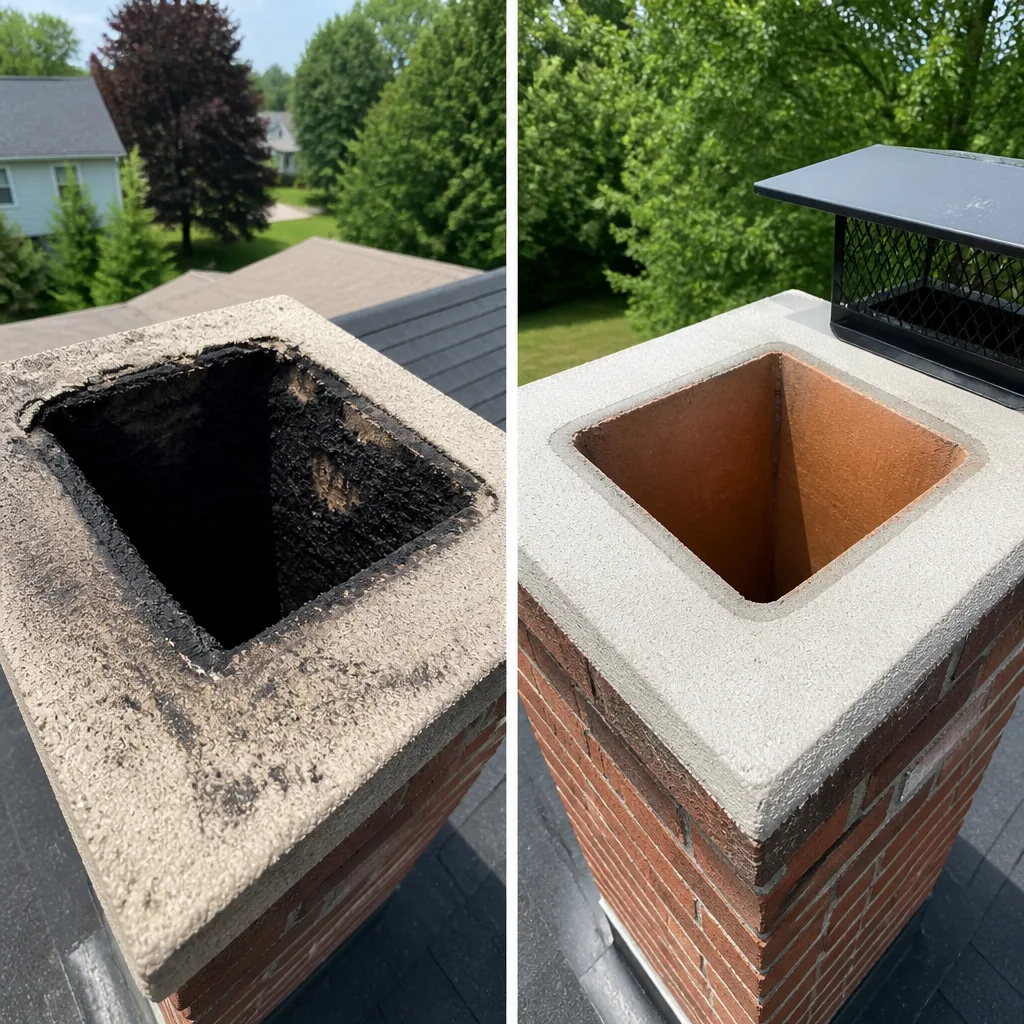 Sweep & inspection
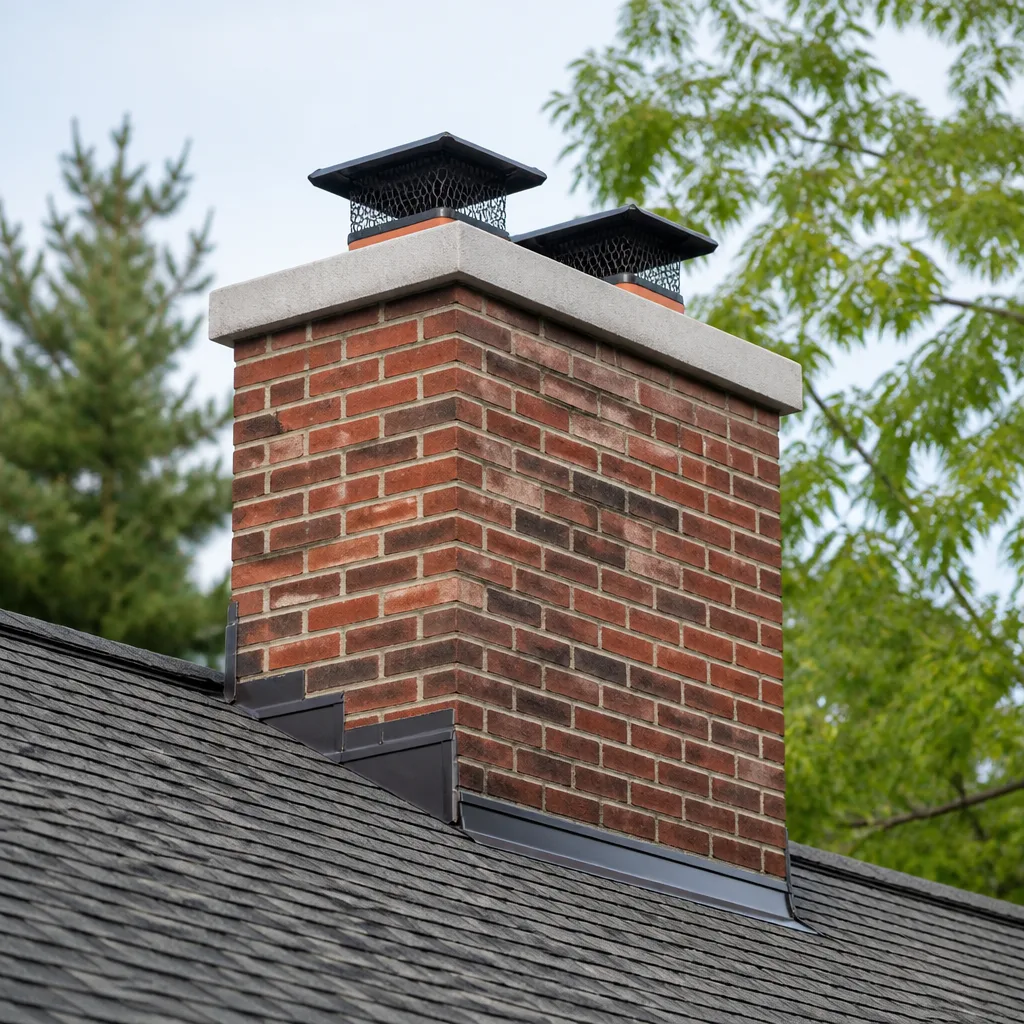 Caps & crowns
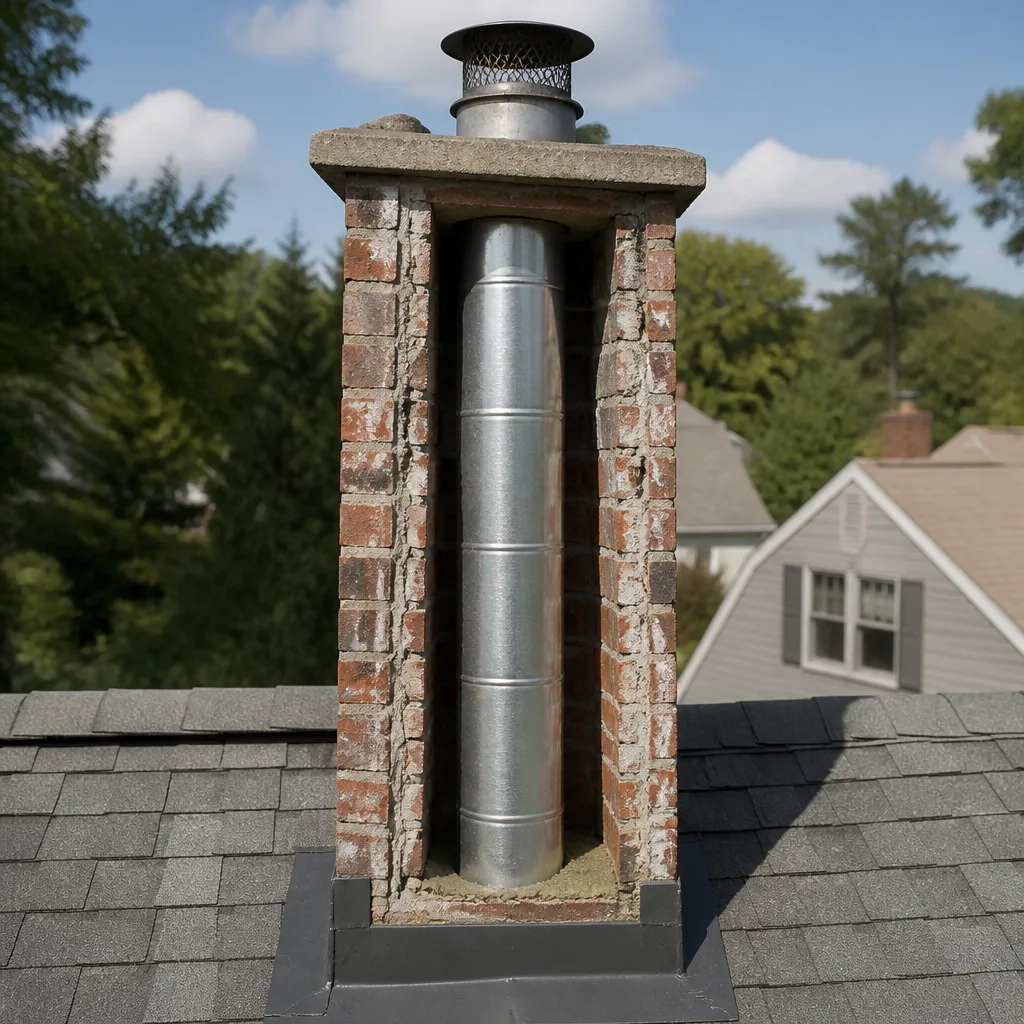 Flue relining
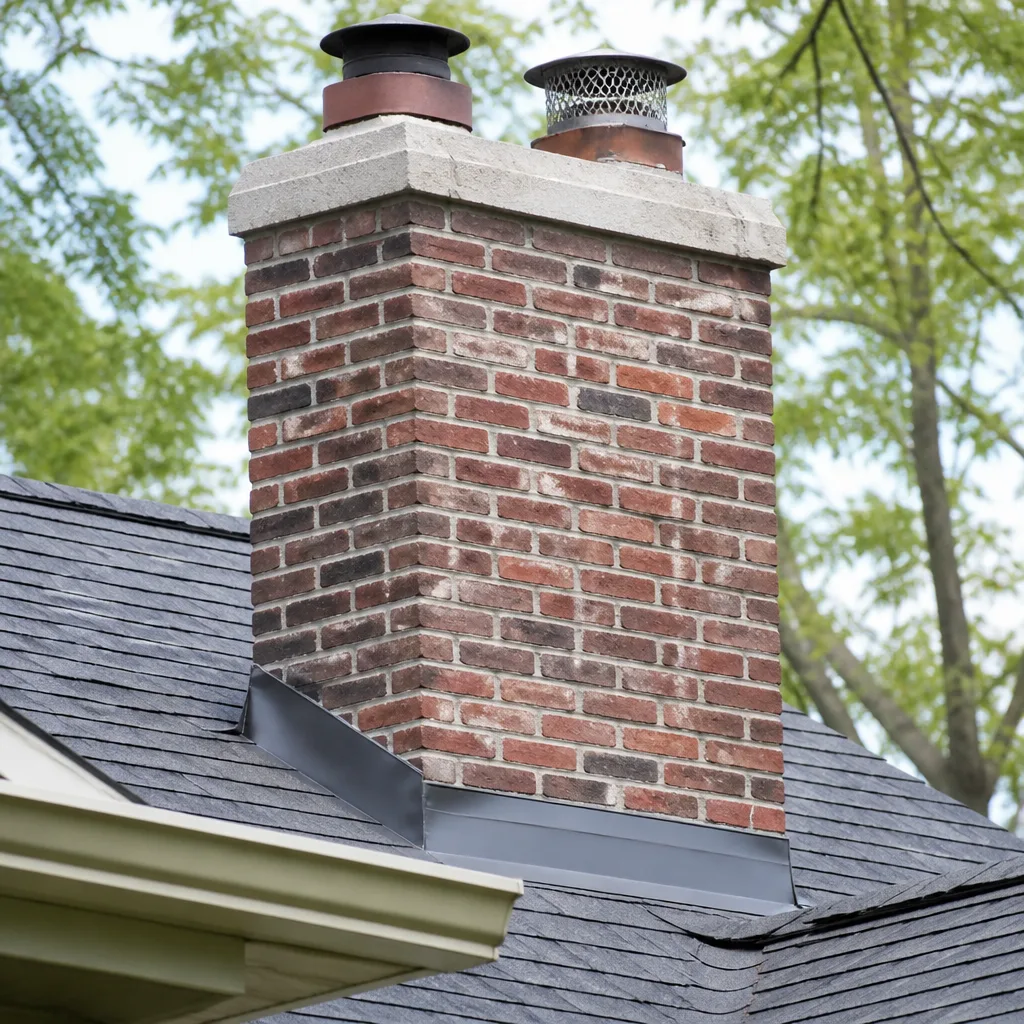 Masonry repair
 Gas fireplace service
Level 1 sweep and inspection to the NFPA 211 annual standard - flue, crown, cap, and flashing checked and photographed
Chimney sweep logs do not sweep chimneys. They loosen some creosote - which then falls where a brush and vacuum still have to collect it.
Chimney Cleaning Permits, Codes & Inspections in Provo, UT: What You Need to Know
A chimney liner replacement completed without a Provo building permit isn’t just a code violation. It’s a material fact you’re legally required to disclose at closing, and it can unravel a home sale at the worst possible moment. Most homeowners in Provo assume that chimney work is entirely maintenance and paperwork is somebody else’s problem. That assumption holds up for a sweep. It falls apart the moment a technician alters the flue, rebuilds the smoke chamber, or installs a liner system. In this guide, we map exactly where the line sits in Provo: which services are maintenance-exempt, which trigger Utah County building review, what inspectors actually look for, and how unpermitted work surfaces during a sale.
Quick Answer
Routine chimney cleaning and inspections in Provo do not require a building permit. Structural alterations do. Liner replacements, smoke chamber rebuilds, and most flue or cap modifications fall under Utah County building review and typically need a permit before work begins. The two governing standards are IRC Chapter 10 and NFPA 211, and a permit inspection checks compliance with those standards. A CSIA inspection answers a different question: it reports the condition of your system, not its code compliance. When you’re buying, selling, or filing a claim, you may need both documents.
Styles & brands we work with
- Sweep & inspection
- Caps & crowns
- Flue relining
- Masonry repair
- Gas fireplace service
Table of Contents
- Does chimney cleaning require a permit in Provo?
- How IRC Chapter 10 and NFPA 211 apply to Provo chimney work
- What inspectors actually check during permit review
- CSIA inspection reports vs. code-compliance inspections
- What happens when unpermitted liner work shows up at sale
- How insurance treats a fire claim when permits were skipped
- How to remedy unpermitted chimney work before listing
- Why Provo’s climate and housing stock matter here
Does Chimney Cleaning Require a Permit in Provo?
Chimney cleaning in Provo does not require a building permit. Neither does a standard inspection, a cap that is replaced in kind, or routine fireplace maintenance that doesn’t change the structure of the flue. Sweeping is maintenance. Maintenance is exempt. This is the clean answer, and it’s the one most homeowners are looking for when they call us at the start of the season.
The line between “maintenance” and “alteration” is where permits begin. Utah jurisdictions, including those in Utah County, generally treat chimney work under the International Residential Code (IRC) Chapter 10, which covers chimneys and vents. Under that framework, replacing a liner, changing a flue’s material or geometry, rebuilding a smoke chamber, adding or resizing a flue, or installing a new appliance vent connection is a code-regulated alteration. Those jobs require a permit before work starts. A simple illustration:
- Permit usually not required: chimney sweep, visual or camera inspection, flue cap replacement in kind, firebox cleaning, damper lubrication, routine masonry repointing of a cap that does not alter airflow.
- Permit usually required: full liner installation (DuraFlex or similar), HeatShield restoration that changes the flue’s interior surface as a code-compliance fix, smoke chamber parging or rebuild, flue resizing, new appliance venting, and any crown or cap work that changes the flue termination or height.
Whether your specific job falls on the permit side depends on what the work actually changes. If you’re unsure, ask. Paperwork on the front end is cheap. Paperwork at closing is not. Our technicians have up to 10 years of experience reading these lines, and we flag permit-triggering work clearly in the written estimate so you can decide before the job, not after.
How IRC Chapter 10 and NFPA 211 Apply to Provo Chimney Work
Two standards govern chimney work in Provo: IRC Chapter 10 and NFPA 211. The IRC provisions are called up by the Utah building code that Utah County enforces at permit review. NFPA 211 is the Standard for Chimneys, Fireplaces, Vents, and Solid Fuel-Burning Appliances, and it is the standard contractors and CSIA inspectors use to evaluate the system. They overlap, but they answer different questions.
IRC Chapter 10 sets the code floor for a permit: minimum flue size relative to the appliance, required clearances from combustibles, proper termination height above the roof, required liner material and thickness, and correct connection of the appliance to the flue. A permit is reviewed against that code. NFPA 211 goes further into the condition of the system: whether the flue is sound, whether draft is adequate, whether creosote accumulation is at a level that requires action, and whether the system as installed is safe to use. When we inspect a chimney in Provo, NFPA 211 is the lens we use. When the county inspects a permitted liner replacement, IRC Chapter 10 is the lens it uses.
Here’s why the distinction matters in practice: a permitted liner replacement that technically passes its code inspection can still have a marginal draft issue that only a condition inspection catches. And a system that passes a condition inspection can still fail a permit review because the clearances to combustibles aren’t documented. If you’re selling a Provo home with a recently replaced liner, having the permit documentation ready is often more valuable at the negotiating table than a clean condition report. The two are not interchangeable.
What Inspectors Actually Check During Permit Review
A permit inspection for chimney work in Provo checks the installation against the code, not against what the contractor told you. Here’s the sequence we see on the permitted jobs that go smoothly:
- Verify the liner material and size. The inspector confirms the liner matches the appliance’s venting requirements and the flue size specified by the appliance manufacturer and the code.
- Confirm clearances to combustibles. Anywhere the flue passes near wood framing, drywall, or attic insulation, the required clearance must be present, and any existing contact must be corrected.
- Check the flue termination. The top of the flue must be at the required height above the roof surface, measured correctly relative to the pitch of the roof around it.
- Inspect the connection at the appliance. The stove or fireplace connector must be properly secured, sealed, and mated to the flue without gaps.
- Review the cap and crown. The cap must not obstruct the flue opening, and the crown must shed water away from the flue without blocking it.
- Confirm the insulation or wrap. If the liner is insulated, which is common for improved draft and safety, the inspector checks that it was installed to the manufacturer’s specification.
What inspectors do not usually check: the interior surface of the flue above the top of the liner, whether the firebox is sound, or whether the damper still seals. Those are condition issues that fall under a CSIA inspection, not a code review. And a code review won’t tell you whether the system drafts well. It only tells you whether the installation meets the minimum.
A CSIA Inspection Report vs. a Code-Compliance Inspection: When You Need Both
A CSIA inspection reports the condition of your chimney. A code-compliance inspection confirms that specific work was installed to code under a permit. They’re different documents produced by different processes, and homeowners regularly confuse one for the other.
A CSIA inspection, performed by a certified sweep, follows a defined three-level structure. Level 1 is a visual inspection of readily accessible portions, done at an annual sweep. Level 2 includes a video scan of the flue interior and is required at a change of occupancy, meaning a home sale, and after any event that may have damaged the system, including a chimney fire. Level 3 is an inspection that involves opening walls or other construction to access concealed areas, and it is performed when a Level 1 or 2 finds a reason to look further. In Provo, most home sales involving a solid-fuel-burning appliance call for a Level 2 video inspection from the buyer’s inspector.
A code-compliance inspection is narrower. It verifies the permitted installation against the code the permit was pulled under. It doesn’t care about creosote condition, firebox integrity, or draft; it cares whether the liner is the right size, the clearances are there, and the termination is right.
When do you need both? Three situations come up repeatedly in Provo:
- Selling your home. Buyers want a Level 2 CSIA report. If you’ve had permitted liner work, they also want the permit documentation. Both belong in the disclosure packet.
- Buying a home with recent chimney work. Ask for the permit and the final inspection record. If they don’t exist, order a Level 2 inspection and factor the cost of the paperwork into your offer.
- Filing an insurance claim for a chimney fire or smoke event. The adjuster will ask for both. A permit that doesn’t exist is a problem the insurer can use as a basis for denying or reducing the claim.
What Happens When Unpermitted Liner Work Shows Up on a Home Inspection
Unpermitted liner work is one of the most common problems we find during Provo home sales, and it is almost always discovered by the buyer’s inspector, not the seller. Home inspectors look for a liner and for its documentation. A newly installed DuraFlex or HeatShield liner without a permit record raises a red flag immediately, and the buyer’s agent writes it into the repair request. That request is usually not “pull a permit now.” It’s “show us the permit or replace the liner.”
Utah disclosure rules require sellers to disclose known material defects in the property being sold. Unpermitted structural work is a material defect. If you have a liner that was installed without a permit and you know it, you cannot omit it from your seller’s disclosure without creating a legal problem for yourself. This is why a permit on the front end of the job is cheaper than the alternative. It isn’t just about the county. It’s about what happens at the closing table.
If the seller cannot produce documentation, buyers typically ask for one of three things: a full replacement (most expensive), a retroactive permit and inspection (usually possible, but always slower), or a price concession to cover the eventual repair. In our experience, sellers who have the permit on file sail through the repair request, and sellers who don’t spend the entire negotiation explaining themselves. When you ask us to quote a liner replacement in Provo, we include permit-required work in the estimate so the paperwork is on the record, not in question.
How Insurance Treats a Fire Claim When Permits Were Skipped
Insurance policies do not usually exclude chimney work by name. They exclude, or reduce, claims where the loss was caused by work that was not completed to code, or where the homeowner concealed known defects. The specific policy language that matters is the “concealment or fraud,” “reasonable care,” and “negligence of the insured” provisions, and the exact wording varies by carrier. When a chimney fire claim lands on an adjuster’s desk and the liner was replaced without a permit, the adjuster asks a straightforward question: was the installation code-compliant at the time? A permit and final inspection record answers that question. An unpermitted installation leaves it open, and an open question in a fire claim is expensive.
We are not insurers and we don’t write or interpret policy language. We can tell you what we’ve seen: claims with permitted, documented chimney work tend to move faster than claims with unpermitted work, because the adjuster has less to investigate. If you’re remodeling a wood-burning system or replacing a liner, the permit is one of the cheapest parts of the project. The claim exposure it avoids is not. For any structural change to your system, call chimney repair and ask us to clearly separate permitted work from maintenance-exempt work in the written estimate.
How to Remedy Unpermitted Chimney Work Before Listing
If you’ve discovered that a liner, smoke chamber, or cap was installed without a permit, the situation is fixable. The process is not as fast as doing it right the first time, but it is usually manageable, and it is far better done on your schedule than discovered at the buyer’s inspection. Here’s the sequence we recommend in Provo:
- Order a Level 2 CSIA inspection. A video scan of the flue establishes the actual condition of the liner and whether it was installed correctly. This is the baseline document for everything that follows.
- Contact the Utah County building department. Ask them what the retroactive permit path looks like for the specific work that was done. Requirements vary, and some work can be permitted retroactively while other work must be removed and redone.
- Hire a licensed and insured chimney professional to inspect or correct. If the existing liner meets code and was installed correctly, the correction may be a limited one: documentation and a final inspection. If it does not meet code, plan for replacement.
- Complete the permit and final inspection. Do this before listing, not during the negotiation. A finished permit record is a document you hand to a buyer. An in-progress permit is a document the buyer negotiates against.
- Add both documents to your disclosure packet. The CSIA report and the permit final record together go a long way toward reassuring a buyer who has a chimney concern.
The step people skip is step 2, and it’s the one that matters most. Call the building department before you order work. The path forward is set by the county, not by us, and it’s much easier to follow when you know the shape of it. If your Provo home needs a condition inspection to start that process, book it through chimney sweep and ask for a Level 2 report.
Why Provo’s Climate and Housing Stock Matter Here
Provo’s winter puts real demand on a chimney. A cold, dry high-desert valley means a heating season that starts in the fall and runs into the spring, and it means wood-burning fireplaces in Provo get used heavily for months at a time. Heavy use produces creosote faster than occasional use, and creosote accumulation is the primary fuel for a chimney fire. That’s the seasonal reality that makes inspection and sweeping an annual need in Provo, not a luxury. Code compliance on top of it is what makes sure that when you do need work, the work is legally documented and insurable.
The housing side matters just as much. Provo has a mix of older homes with masonry chimneys and newer construction with factory-built systems, and both types show up in sales with liner work that wasn’t documented. In our experience, and this is the pattern across Provo’s neighborhoods, the paperwork gap is more common in homes that have changed hands two or three times, because each sale a permit record can slip one step further from the current owner. If you bought a Provo home with a recently replaced liner and were never handed a permit document, that’s a signal to order a Level 2 inspection and contact the county.
What we do is confined to the chimney system. We don’t do general construction and we don’t do HVAC. That focus matters when the question is a code one, because the whole job, from the firebox to the flue cap, has to be looked at together. We work with DuraFlex, HeatShield, Copperfield, and other trade-level materials, and HeatShield restoration in particular is worth knowing about before you assume a failing liner means a full replacement. If the inspection shows that a restoration will meet the code standard, that’s a real option, and it doesn’t trigger the same permit scope as a full liner install. A proper fireplace repair can also be done without pulling a permit if the work stays inside the firebox and doesn’t alter the flue, so it’s worth asking what a job actually changes before assuming the answer.
If you need the underlying cleaning and inspection work described in this guide, our team at Provo Chimney Sweep Pros can help, and we always tell you in writing which parts of a job need a permit and which don’t. That single habit, paperwork up front, prevents the entire chain of problems this guide has described.
Common Mistakes to Avoid
- Assuming all chimney work is maintenance. Cleaning, inspection, and in-kind cap replacement are maintenance. Liner replacement, smoke chamber work, and any flue alteration are permit-triggering in Provo. Know which one your job is before you schedule it.
- Skipping the permit to save time. A permit costs far less than the disclosure problem or the insurance problem it prevents. The county review is the point of the permit; skipping it means the work never went in front of an inspector.
- Treating a clean condition report as a code document. A CSIA report tells you the system is safe to use. It does not tell you the liner was installed under a permit. These are different questions and both can matter at a closing.
- Not asking for the permit at purchase. When you buy a Provo home with recent chimney work, ask for the permit and final inspection record. If the seller can’t produce them, order a Level 2 inspection and negotiate from there.
- Hiring a generalist for structural chimney work. A handy contractor who installs a liner without paperwork creates the exact problem this guide is about. Ask a chimney specialist to do the work and document it.
- Filing a fire claim without documentation in hand. Before you file, gather the inspection report and any permit documents. Claims with a paper trail tend to move faster than claims that turn into an investigation.
- Waiting until the sale to fix unpermitted work. Retroactive permitting takes time and county review. Starting the process while you still own the home and control the schedule is much easier than starting it under a negotiation deadline.
See the difference
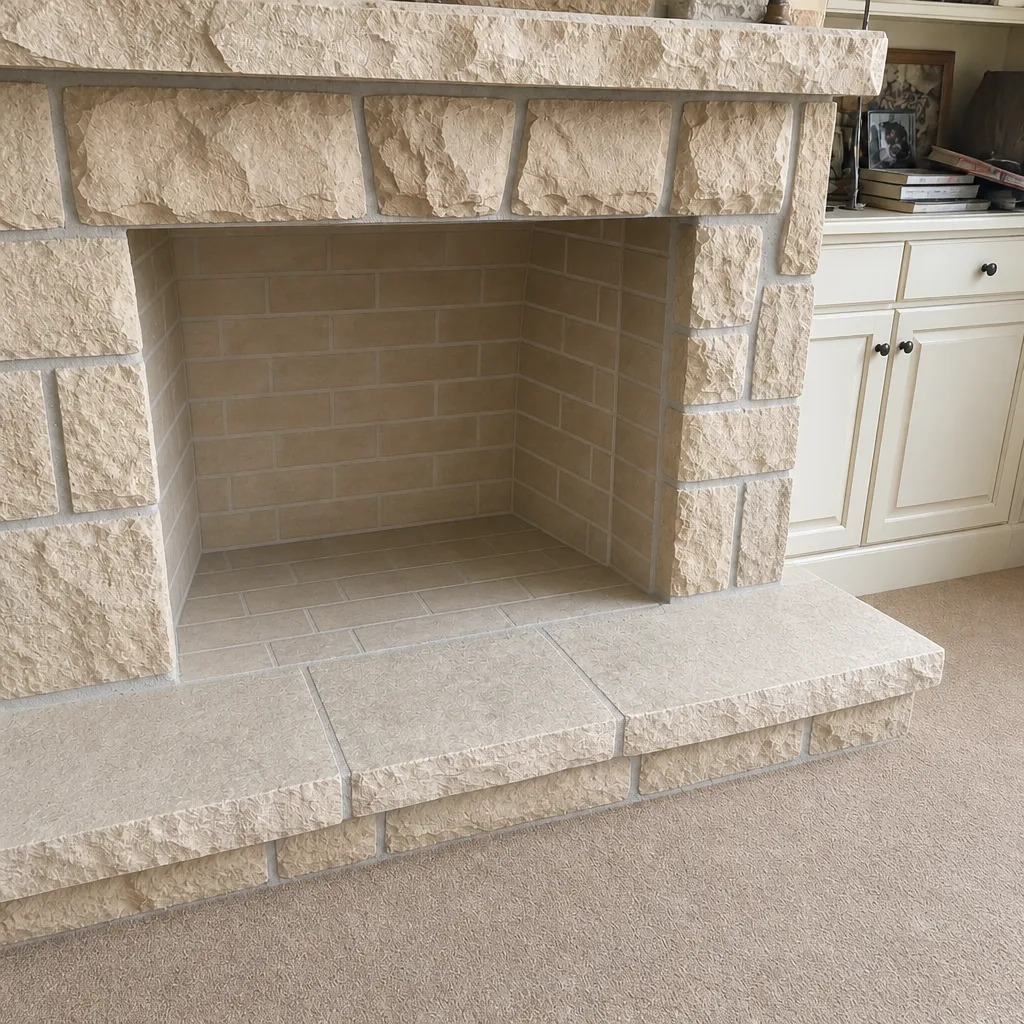
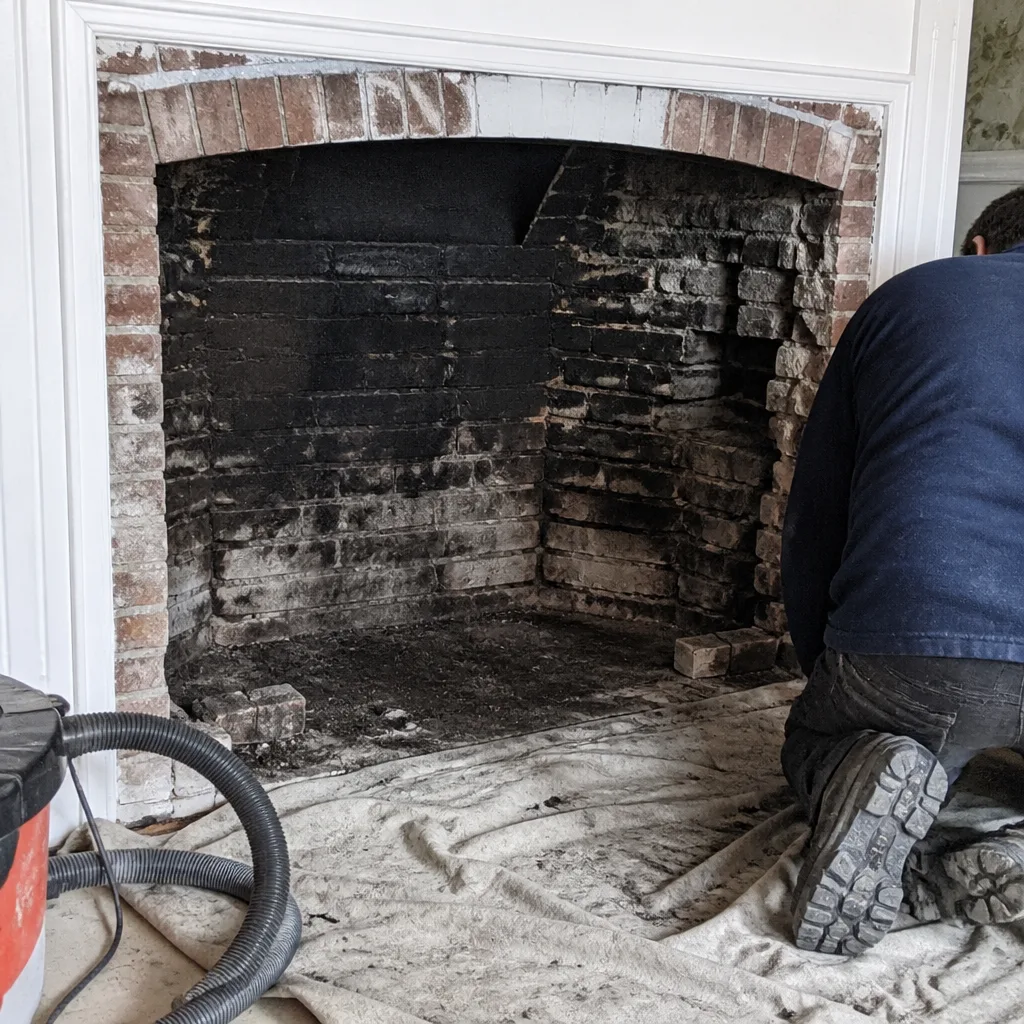 Before
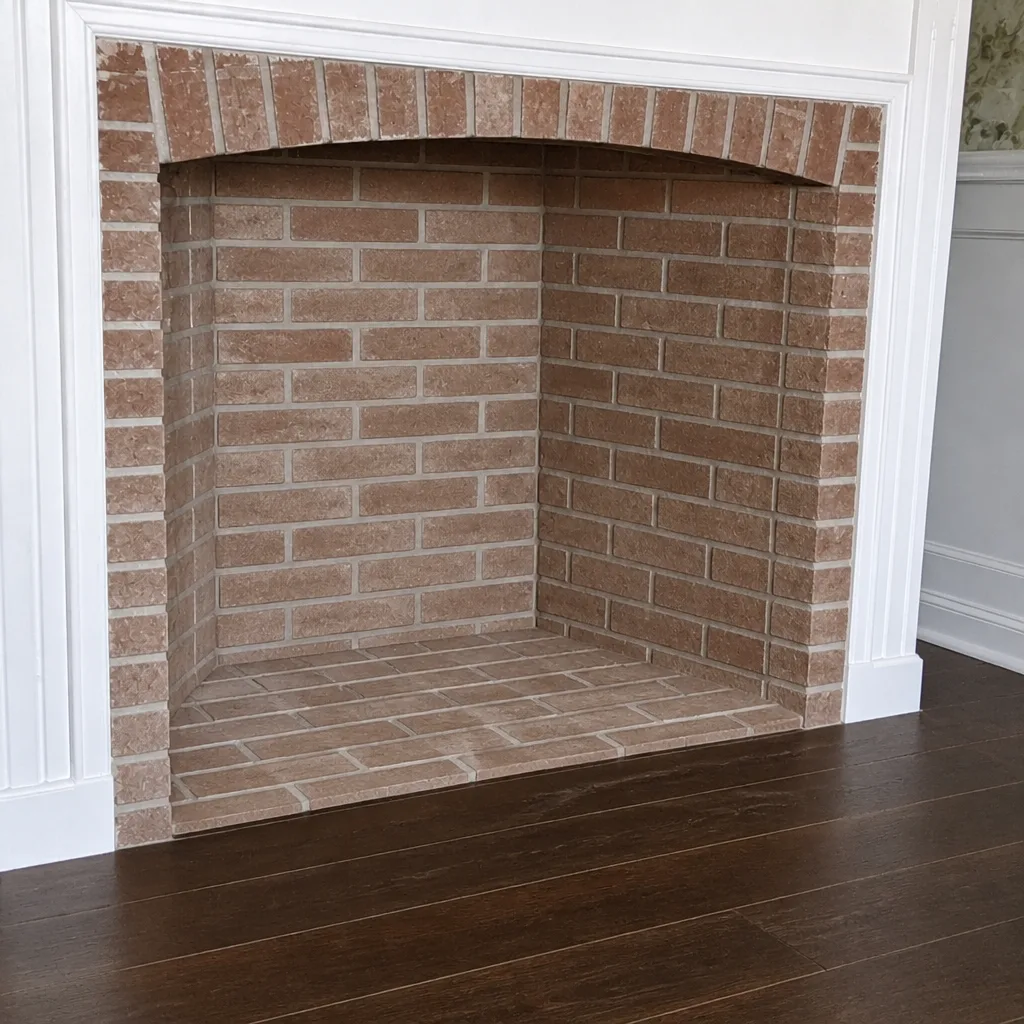 After
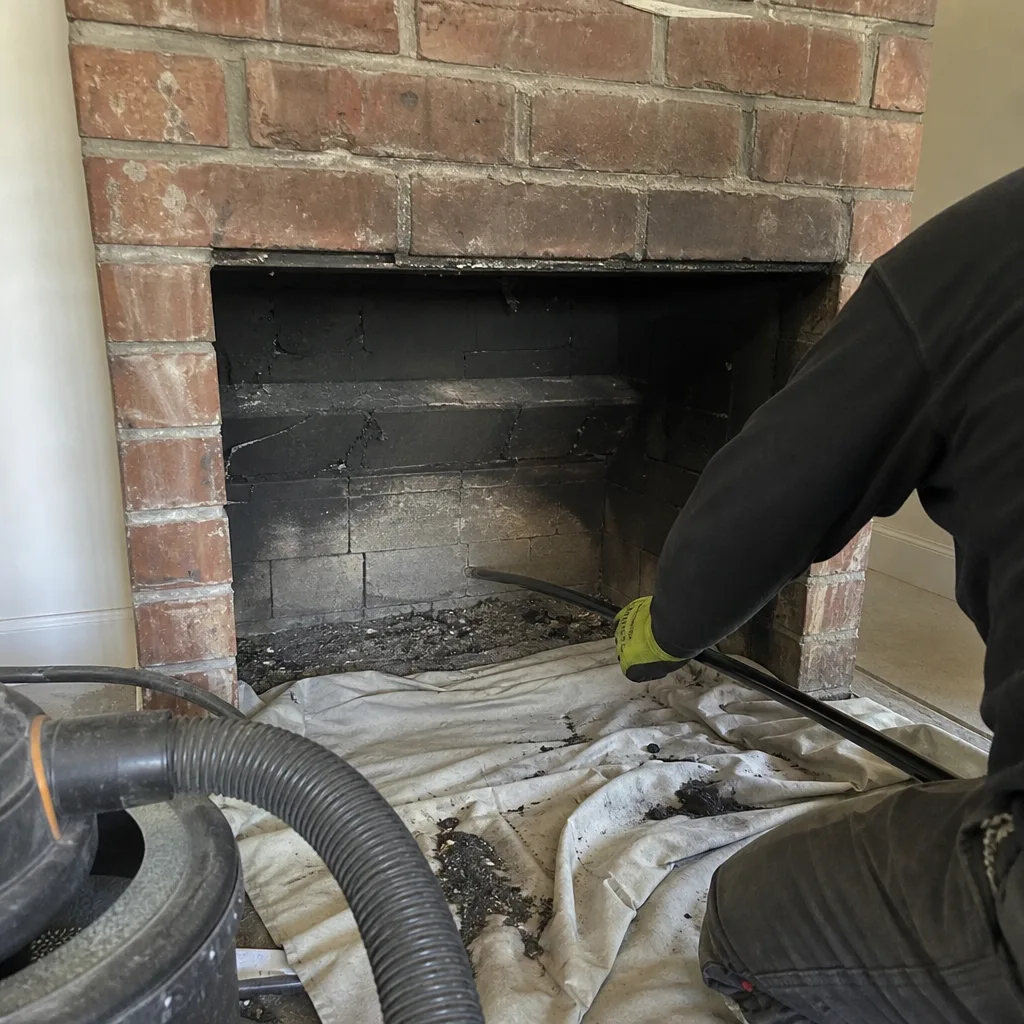
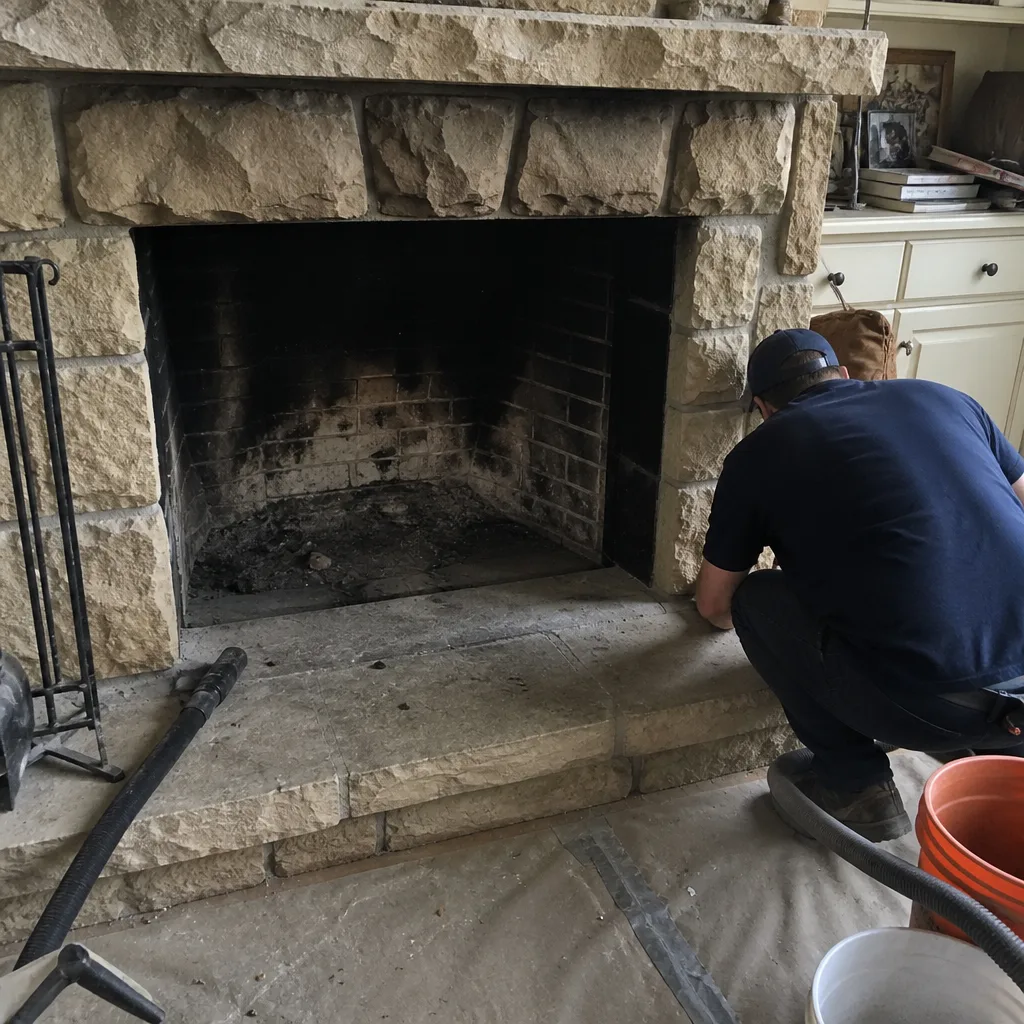 Before
 After
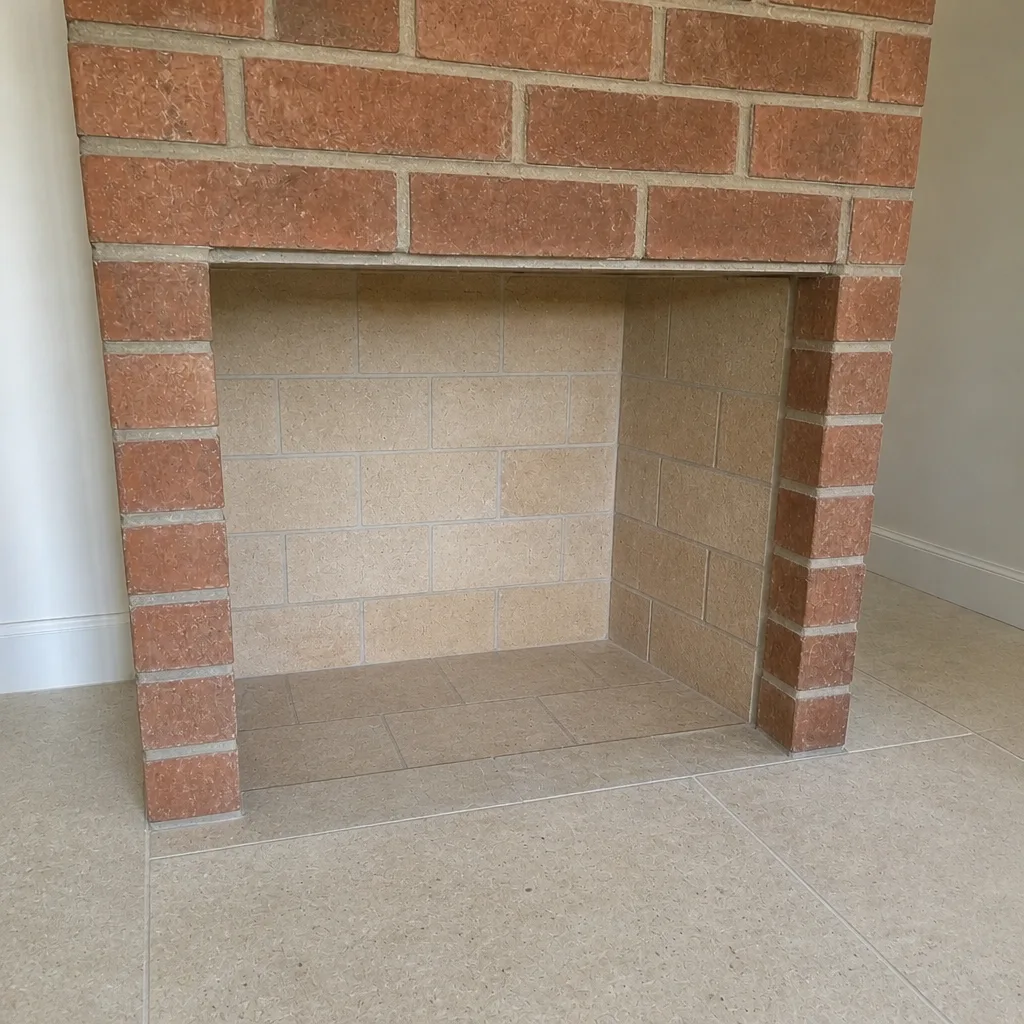
 Before
 After
When to Call a Professional
Call us when you don’t know what documentation exists for your chimney. That’s the most common situation we encounter in Provo: a homeowner who bought a house with a modern liner and no permit record, or who had a sweep last year but has never had a Level 2 video inspection. A Level 2 inspection tells you what’s actually in the flue and gives you the document you need for a sale, a claim, or a county conversation. It also tells you which parts of your system are maintenance and which parts need permitted work.
The other times to call are more direct. If your system hasn’t been inspected in more than a year, if you smell smoke inside the house when the fireplace is running, if you see staining on the flue or any creosote glaze during a sweep, or if you’re considering a liner or smoke chamber project, that’s a chimney visit. Provo Chimney Sweep Pros offers free estimates in Provo, and every recommendation is based on evidence you can look at. Call (866) 937-8214. We answer 24/7. Fast dispatch from 7am to 7pm, Sunday through Friday.
Frequently Asked Questions
No. Routine chimney cleaning, standard inspections, and in-kind cap replacement are maintenance and do not require a building permit in Provo. Permits are required when the work alters the flue: a liner replacement, a smoke chamber rebuild, or a change to the flue’s material or geometry. If you’re unsure which category your job falls into, ask before you schedule. Call (866) 937-8214 for an exact answer on your specific situation – estimates are free.
In most cases, yes. A liner replacement is a code-regulated alteration under IRC Chapter 10 and typically requires a permit before work begins in Utah County. The permit also covers the final inspection that documents the installation. Ask your contractor directly whether the estimate includes the permit and the final inspection. If it doesn’t, that’s the gap you’ll have to close later. Call (866) 937-8214 if you’d like the estimate in writing with permit scope clearly called out.
A CSIA inspection reports the condition of the chimney. A code-compliance inspection verifies that a specific permitted installation meets the code. You often need both when selling a home with recent chimney work, because the buyer’s inspector wants a condition report and the buyer’s agent wants the permit record. A Level 2 CSIA inspection is the baseline report and includes a video scan of the flue interior. Getting this right at the start is much easier than fixing it at closing.
The work becomes a material defect the buyer’s inspector will spot and the buyer’s agent will write into the repair request. Utah disclosure rules require you to disclose known defects, so you cannot omit it without creating a legal problem. The buyer typically asks for a full replacement, a retroactive permit, or a price concession. The cleanest path is to remedy the paperwork before you list, not during the negotiation. Call (866) 937-8214 to start with a Level 2 inspection and see exactly what documentation your system is missing.
Insurers do not deny claims specifically because a permit is missing. They reduce or deny claims where the loss was caused by work that was not completed to code, or where a defect was concealed. A permit and final inspection record answer the code question directly. Without them, the adjuster has an open question, and an open question in a fire claim is expensive. We are not an insurer and we don’t interpret policy language, but we can tell you what we’ve seen: claims with documentation move faster than claims without.
Once a year for a wood-burning system that’s used heavily, which is most of Provo’s heating season. A Level 2 inspection with a video scan is also required at a change of occupancy, meaning a home sale, and after any event that may have damaged the system, including a chimney fire. In our experience, heavy seasonal use in Provo’s cold winters means a system can accumulate creosote faster than a homeowner expects. Annual inspection catches that early. Call (866) 937-8214 to book one.
The Bottom Line
Chimney cleaning in Provo is maintenance and doesn’t need a permit. Liner replacements, smoke chamber rebuilds, and structural cap or flue changes do, and the Utah County permit is what documents the work for a future sale, a future claim, and a buyer’s inspection. The two standards that govern it are IRC Chapter 10 for code and NFPA 211 for condition, and they answer different questions. A CSIA Level 2 inspection gives you the condition document; a permit and final record give you the code document. If you’re buying or selling a Provo home with recent chimney work, get both. It’s much easier to gather them now than to negotiate over their absence later.
Written by the team at Provo Chimney Sweep Pros.