
Last updated November 25, 2026
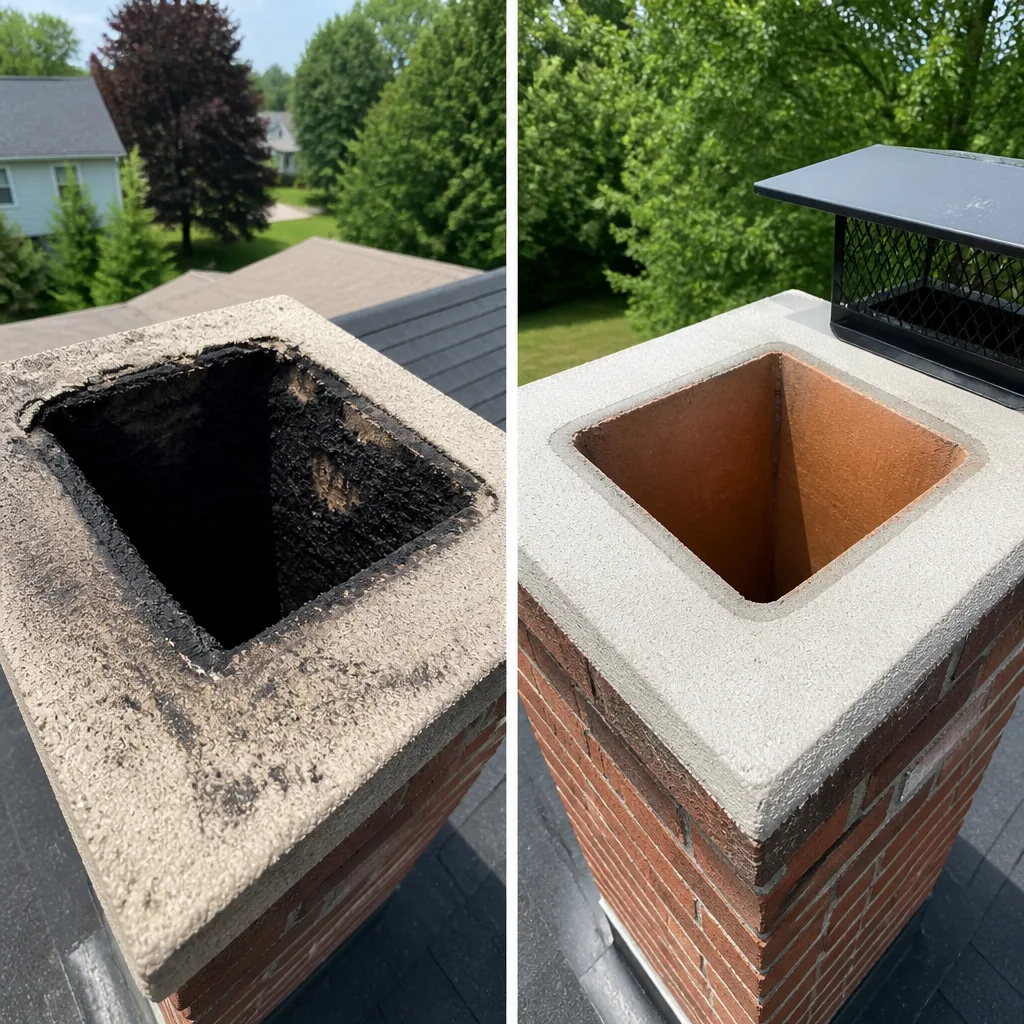 Sweep & inspection
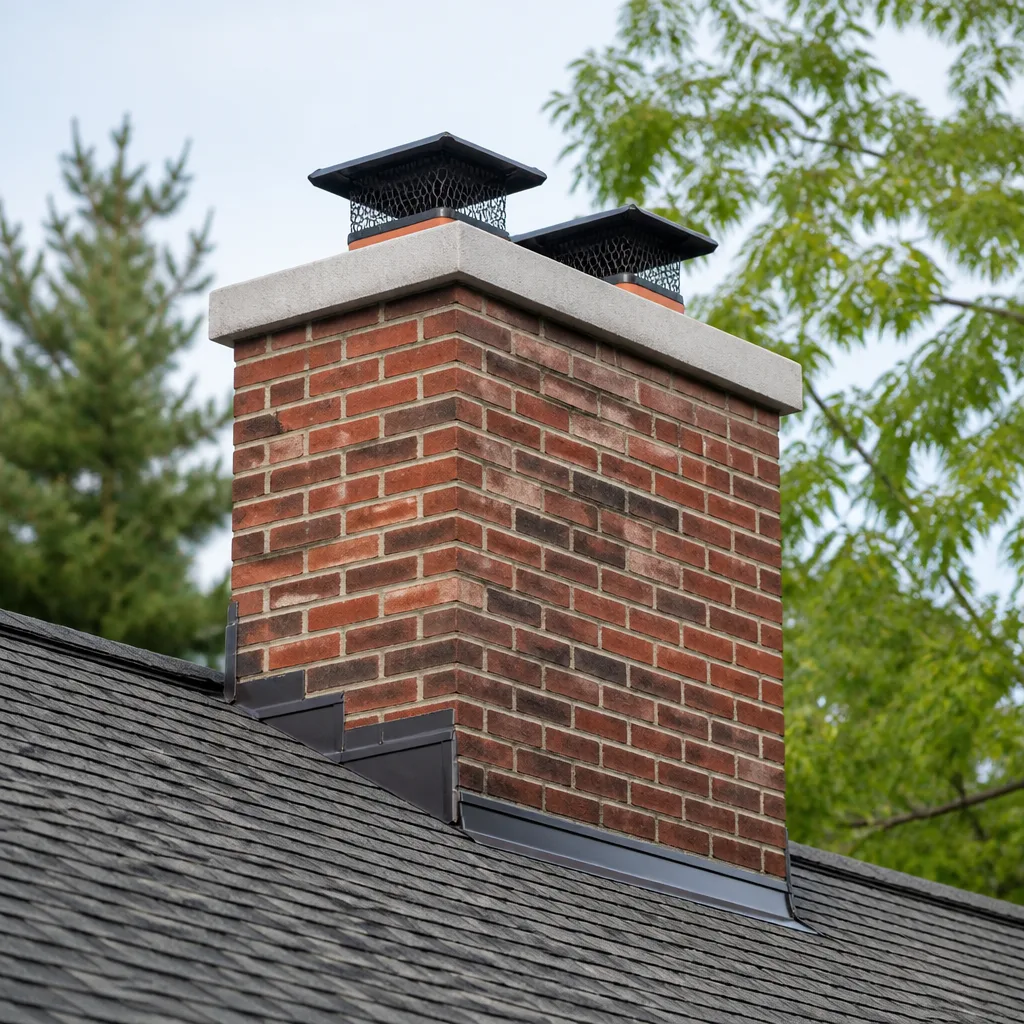 Caps & crowns
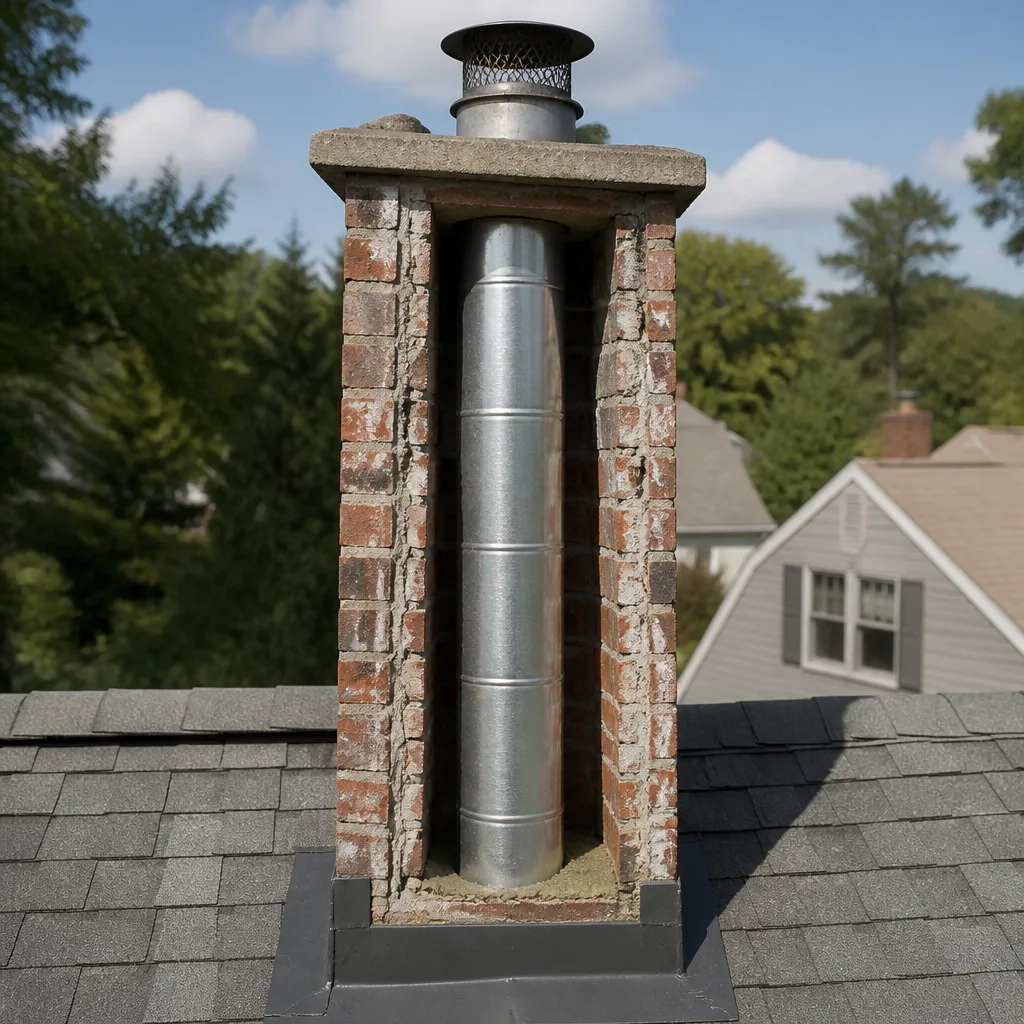 Flue relining
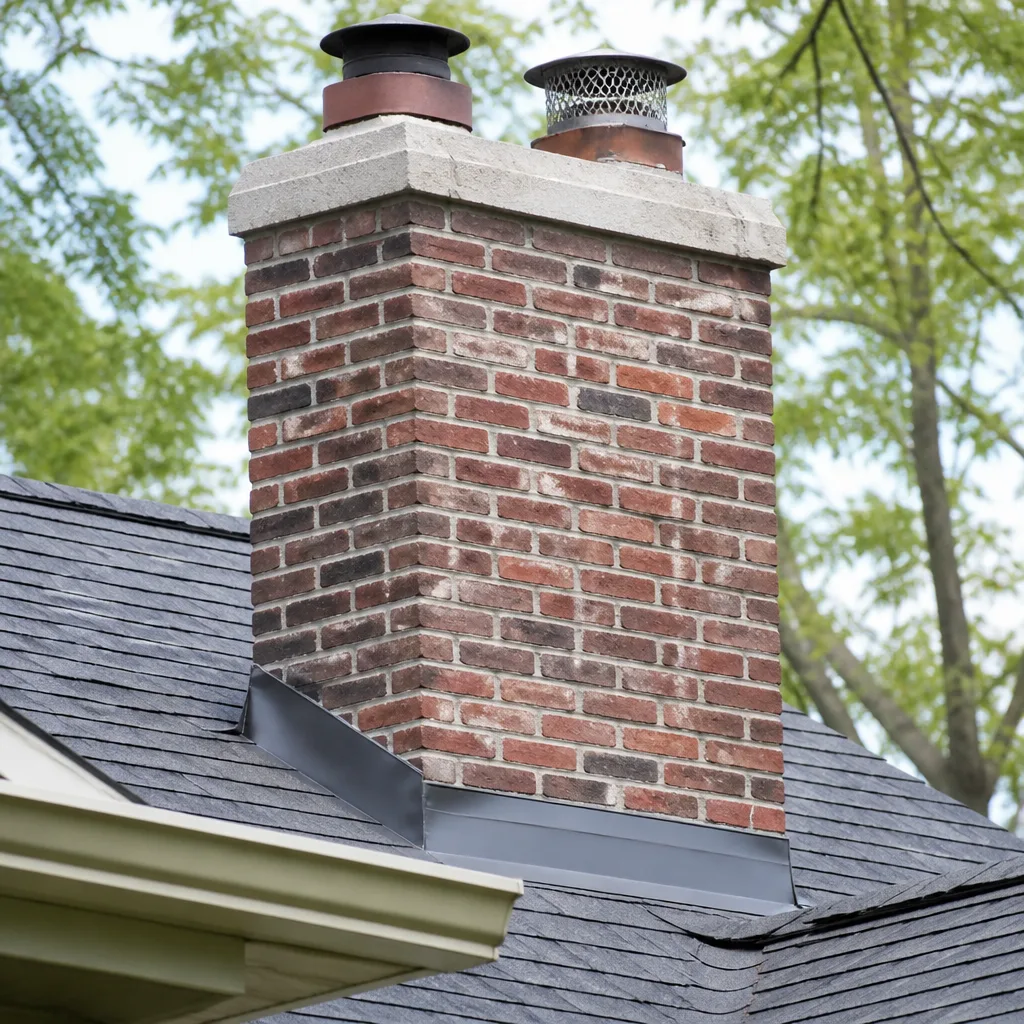 Masonry repair
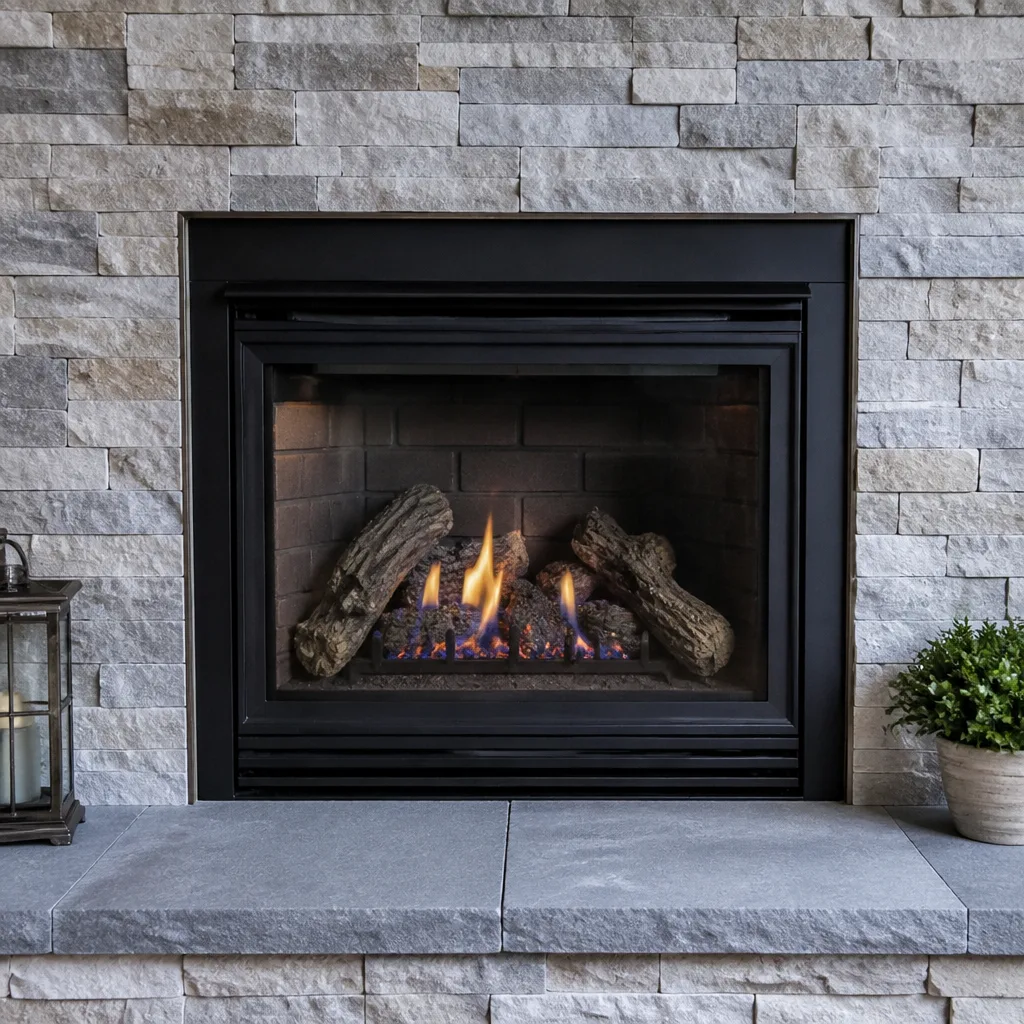 Gas fireplace service
Level 1 sweep and inspection to the NFPA 211 annual standard - flue, crown, cap, and flashing checked and photographed
Chimney sweep logs do not sweep chimneys. They loosen some creosote - which then falls where a brush and vacuum still have to collect it.
Choosing the Right Chimney Cleaning Brand: A Buyer’s Guide for Provo
When a contractor says they’ll “apply a sealant” to your chimney crown, that could mean a product rated for more than a decade of weather or a hardware-store patch that cracks apart within two winters here. The brand name on the bucket is the difference, and most homeowners never think to ask. In Provo, where intense high-altitude sun, repeated freeze-thaw swings, and hard water all work against a chimney, the materials matter even more than they do on a national spec sheet. This guide walks through what the leading chimney product lines actually do, how to read a materials list in a proposal, and the two questions that separate a real chimney specialist from a generalist with a brush.
Quick Answer
The chimney products market is full of names that sound interchangeable but behave very differently, so the brand matters as much as the work itself. In Provo, a liner system like DuraFlex, a crown coating such as CrownCoat, a stainless cap, and a masonry sealer each solves a specific problem, and a contractor should be able to name the exact product and its intended application before the contract is signed. Asking which brands go where, and why, is the fastest way to tell a focused chimney specialist from someone substituting a vague “high-quality liner” after the fact.
Styles & brands we work with
- Sweep & inspection
- Caps & crowns
- Flue relining
- Masonry repair
- Gas fireplace service
Table of Contents
- What Are the Main Chimney Product Categories and Who Leads Each?
- How Do You Vet the Brands a Contractor Uses?
- Why Product Quality Matters More in Provo
- DuraFlex and the 304 vs. 316L Stainless Question
- Crown Coatings and Masonry Sealers: The Two Utah Winters Test
- Chimney Caps and Creosote Treatments: Neglected Product Lines
- How to Read a Materials Spec Sheet or Proposal
- Common Mistakes to Avoid
What Are the Main Chimney Product Categories and Who Leads Each?
Chimney work breaks into a handful of distinct product categories, and each one has recognized leaders. If you understand what each category does, you can follow a contractor’s proposal without needing to know the trade yourself. The key is that a single job often touches several categories at once, so you want a team that works fluently across the whole list rather than a specialist in only one corner.
- Liner systems: DuraFlex, HomeSaver, and other stainless flexible liners reline the flue when the existing clay tile or older material has failed. This is the single most consequential product on the list because it carries exhaust out of the house.
- Crown and masonry sealers: ChimneySaver and CrownCoat products protect the concrete crown and the brick or stone above the roofline from water intrusion. This category is where cheap substitutes fail fastest.
- Creosote treatments: ACS and Poultice Pro address stubborn creosote deposits and help loosen glazed buildup so it can be removed safely.
- Chimney caps: Lyemance and Gelco caps keep rain, birds, and debris out of the flue while still allowing proper draft.
- Liner restoration: HeatShield is a professional-grade resurfacing system that can restore a sound but deteriorated flue without a full tear-out in the right conditions.
At Provo Chimney Sweep Pros, we work with a curated roster of name-brand materials including DuraFlex, HeatShield, Gelco, Olympia Chimney, Famco, and Copperfield. That range is the point: it means we can match the product to what the inspection actually finds, from firebox to flue cap, rather than pushing whatever single line we happen to carry. As your starting point, the Provo Chimney Sweep Pros team handles everything from routine maintenance to structural remediation in one place, so you’re not coordinating a sweep, a mason, and a roofer separately.
How Do You Vet the Brands a Contractor Uses?
You vet the brands a contractor uses with two questions, and the answers tell you almost everything you need to know. First: which specific product will you use for this part of the job? Second: why that product instead of a different one? A focused chimney specialist can answer both on the spot and connect each brand to the exact application. A generalist tends to answer with adjectives.
Here’s how to run that vetting conversation in practice:
- Ask for names, not adjectives. “A high-quality liner” is a placeholder that lets the contractor swap materials after signing. “A DuraFlex stainless liner” is a commitment you can hold them to.
- Match the brand to the purpose. The liner product should be appropriate for your fuel type. The sealer should be rated for masonry crowns. The cap should fit your flue configuration. If a single product is proposed for everything, ask why.
- Ask what happens if a product isn’t stocked. A specialist explains the schedule and the substitution in writing. A generalist says “we’ll figure something out.”
- Cross-check the proposal against the inspection. Every product line in the estimate should trace back to a finding in the camera report or physical inspection, not to a template.
- Look for brand-specific language about applications. Someone who works with Gelco caps regularly will know which size fits which flue. Someone who doesn’t will guess.
In our experience, the second question does most of the work. When a Provo homeowner asks us why we’d choose HeatShield restoration for one flue and a full DuraFlex reline for another, the answer is different every time because the conditions are different every time. That’s the mark of a specialist. If you’re unclear on how inspection findings lead to materials decisions, it helps to understand chimney sweep work first, because the sweep and the camera inspection are what determine which products are even on the table.
Why Product Quality Matters More in Provo
Chimney products are tested nationally, but Provo stresses them in ways the national specification doesn’t fully capture. That gap is why a product rated for a decade elsewhere may not last a decade here, and why the brand on the label matters more than the label’s marketing. Three local conditions do most of the damage.
- UV intensity at elevation. Provo sits high in the Wasatch foothills, and the ultraviolet dose at this altitude is substantially harsher than what a sealed, low-altitude test lab delivers. Sealers and coatings that hold up in a humid coastal market can chalk and fade faster here.
- Freeze-thaw frequency. The temperature swings across a Utah winter cycle masonry in and out of freezing repeatedly. Water that gets into a hairline crack expands overnight and widens the gap, so a product with marginal flexibility fails in a single season.
- Alkaline water. Utah’s municipal water supply trends alkaline, and mixed improperly or applied to wet masonry, sealers can react poorly. A professional-grade product with a known application spec tolerates that better than a hardware-store elastomeric.
What this means for a Provo homeowner is simple: a sealer is not a sealer is not a sealer. CrownCoat and ChimneySaver-class products are formulated for masonry exposed to real weather. The elastomeric patch sold at a big-box store is formulated for a low-exposure application and a shorter life. On a crown that sees full sun and a full freeze-thaw cycle year after year, the difference is visible in the first two winters. When our technicians look at a failed crown in Provo, the failure pattern usually tells us which class of product was applied and how.
DuraFlex and the 304 vs. 316L Stainless Question
Stainless liners are sold by gauge and alloy, and the alloy question is the one most homeowners never hear. The two you’ll encounter most often are 304 and 316L stainless steel. They look similar on a spec sheet and behave very differently in the flue. Knowing which one your appliance needs is the single most important product decision on a liner job.
Type 304 stainless is the standard alloy used for wood-burning appliances, and it holds up well in that service. Type 316L contains molybdenum, which gives it meaningfully better resistance to corrosion from the acidic condensation that forms in gas and oil appliance flues. Sulfur compounds in gas exhaust combine with moisture to create a mildly acidic condensate, and that’s the primary corrosion threat to a liner in a gas installation. A 316L liner in a gas flue is not a luxury; in a wet, condensing environment it’s the appropriate choice. A contractor who proposes 304 for a high-efficiency gas appliance without explaining why should be asked to explain it.
The gauge question matters too. Thicker material resists crushing during installation and holds up longer under thermal cycling. A liner that’s under-spec’d for thickness can kink on the way down, and a kink becomes the failure point years later. This is also where a HeatShield restoration enters the conversation. If the existing flue is sound but its inner surface is deteriorated, resurfacing can restore it to service and may spare you a full liner replacement. It’s a concrete, money-saving alternative that basic sweep-only outfits can’t offer because they don’t carry the equipment or the training. Not every flue is a candidate, but the inspection is what tells you. For homeowners facing a liner decision, the chimney repair side of our work is where these calls get made, and the evaluation is the same: see the condition first, then choose the product.
Crown Coatings and Masonry Sealers: The Two Utah Winters Test
The chimney crown is the concrete cap at the very top of the masonry, and it’s the most exposed surface on the entire structure. A crown that’s sound sheds water onto the roof and away. A crown that’s cracked lets it into the brick, where it freezes, expands, and pushes the whole assembly apart from the inside. The product used to seal or rebuild that crown determines how long the fix lasts in Provo’s climate.
Sealers fall into roughly two classes, and the gap between them is wide:
- Professional-grade crown coatings such as CrownCoat and ChimneySaver-class products are formulated for masonry crowns exposed to full sun, freeze-thaw, and rain. Applied to a properly prepared surface, they’re built for a long service life rather than a single season.
- Hardware-store elastomeric patches are formulated for a lower-exposure application. On a Provo crown facing direct UV and overnight freezes, they tend to crack and peel within a couple of winters, and the failure looks the same as the original damage. That’s the trap: the surface looks sealed for one season and then opens up again.
The application matters as much as the product. A crown coating applied over a damp or dirty surface will delaminate no matter how good the formulation is. That’s why a professional application starts with surface prep and a moisture check, not with a brush. When you’re reading a proposal, look for the product name and the prep steps together. If the proposal says “seal crown” with no brand and no prep, ask what’s actually going on the surface. Our technicians have up to 10 years of experience with these products, and they can tell you from a roof-level look whether a crown can be coated or has to be rebuilt. Either way, you should see the photos before anyone touches a bucket.
Chimney Caps and Creosote Treatments: Neglected Product Lines
Caps and creosote treatments get less attention than liners, but they’re the two product lines that protect the investment the rest of the work represents. A good cap keeps water, birds, and debris out of a flue you just spent money on. A good creosote treatment makes the next sweep easier and safer. Skipping either one is how a homeowner ends up back at square one a year later.
On the cap side, Gelco and Lyemance are the names you’ll see most often in the trade. The two things that matter in a cap are fit and draft. A cap sized to your flue opening seals out weather without choking the appliance’s draft, and a cap with a removable top makes future sweeping easier because the technician doesn’t have to fight the hardware. A generalist who installs a one-size cap from the truck will get one of those two wrong. Ask what cap is being installed and how it’s matched to your flue.
On the creosote side, ACS and Poultice Pro are the recognized lines for treating and loosening glazed or stubborn deposits. These products don’t replace sweeping; they make a hard deposit more workable so the sweep can actually remove it. Glazed creosote is the dangerous form because it ignites at a lower temperature than the fluffy kind, and it’s the reason a chimney fire risk climbs when sweeping is skipped. In Provo, where many homes burn wood through a long heating season, glazed buildup is common and a treatment is often the difference between a clean sweep and a partial one. A sweep-only crew with a brush and a shop vac doesn’t have that option. For fireplace-side products and repairs that pair with the flue work, see fireplace repair.
How to Read a Materials Spec Sheet or Proposal
A materials spec sheet tells you more about a contractor than their license does, because it shows whether they know the difference between products or just list a line item. A detailed proposal names the specific product, the application, the quantity, and the warranty. A vague one says “high-quality liner” and leaves the door open to substitution after you’ve signed. Reading the document carefully is the cheapest insurance you’ll ever buy on a chimney job.
Here’s what a strong proposal includes, line by line:
- Named products with the manufacturer. “DuraFlex 316L stainless liner” tells you what’s going in. “Premium stainless liner” tells you nothing.
- The application for each product. The liner should be tied to a specific flue. The cap should be tied to a specific opening. The sealer should be tied to a specific crown or masonry surface.
- Quantities and dimensions. Linear feet of liner, the diameter, the number of caps. A proposal with dimensions is a proposal built from a measurement, not a guess.
- Prep and access steps. Surface prep, roof protection, and cleanup should all be listed. Missing prep is a warning sign that the product will be applied over whatever’s already there.
- The scope’s boundaries. What is and isn’t included. A good proposal tells you plainly when a step isn’t part of the quote and what it would cost separately.
- A satisfaction guarantee in writing. The written estimate sets the final price, and the guarantee should be on the page, not promised verbally on the roof.
As a rule, if a proposal leaves any of the six out, ask about it before signing. Substitution after the contract is the most common way a homeowner ends up with a cheaper product than they were promised. If the contractor can’t or won’t name the brand, that’s the answer you needed. When it’s time for the assessment itself, our technicians work with camera inspection and a photo report, so the materials list you review is grounded in something you can see. We don’t recommend a product your own eyes haven’t justified.
Common Mistakes to Avoid
- Accepting “high-quality liner” as a specification. It’s a placeholder that lets the contractor swap alloy and gauge after signing. Ask for the exact brand, the alloy (304 or 316L), and the gauge in writing.
- Using a 304 liner in a gas appliance flue. The sulfur condensate in gas exhaust corrodes 304 faster than it corrodes 316L. The alloy choice should match the fuel, and a contractor who doesn’t raise the question is telling you something.
- Sealing a crown with a hardware-store patch. In Provo’s UV and freeze-thaw cycle, an elastomeric patch can look fine for one season and fail the next. The product rating on the bucket is the difference between a repair and a repeat job.
- Skipping prep to move faster. A professional-grade sealer applied over a dirty or damp surface will peel. If the proposal has no prep step, the product quality is being wasted.
- Installing a cap that doesn’t match the flue. An oversized or undersized cap either chokes the draft or leaves gaps. Fit and draft are the only two things that matter, and both take a measurement.
- Forgetting the creosote treatment on glazed buildup. A sweep alone may not remove glazed creosote, and glazed creosote is the form that ignites. Ask whether a treatment is part of the plan.
- Letting a generalist substitute the whole system. A masonry contractor or handyman can install a cap and seal a brick joint, but a chimney is a draft system. The specialty matters more than the price of the line item.
See the difference
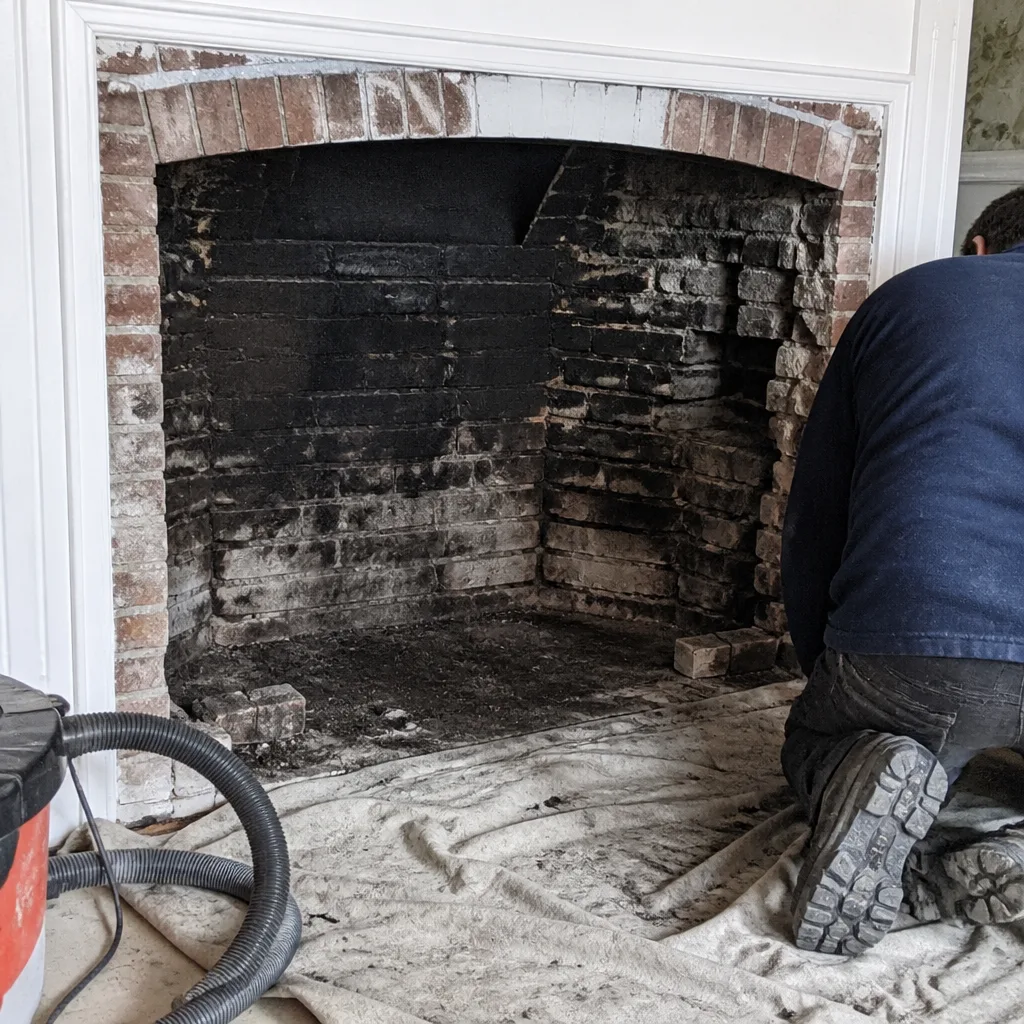 Before
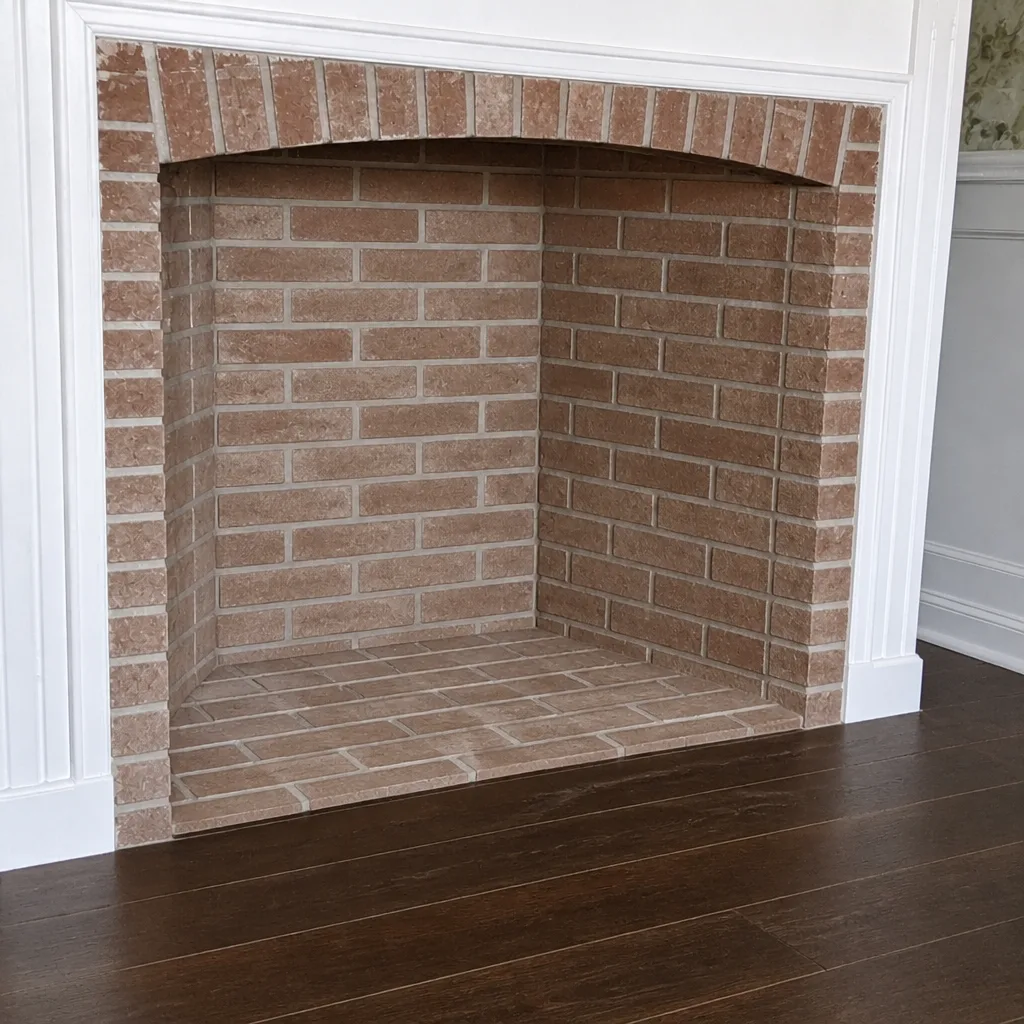 After
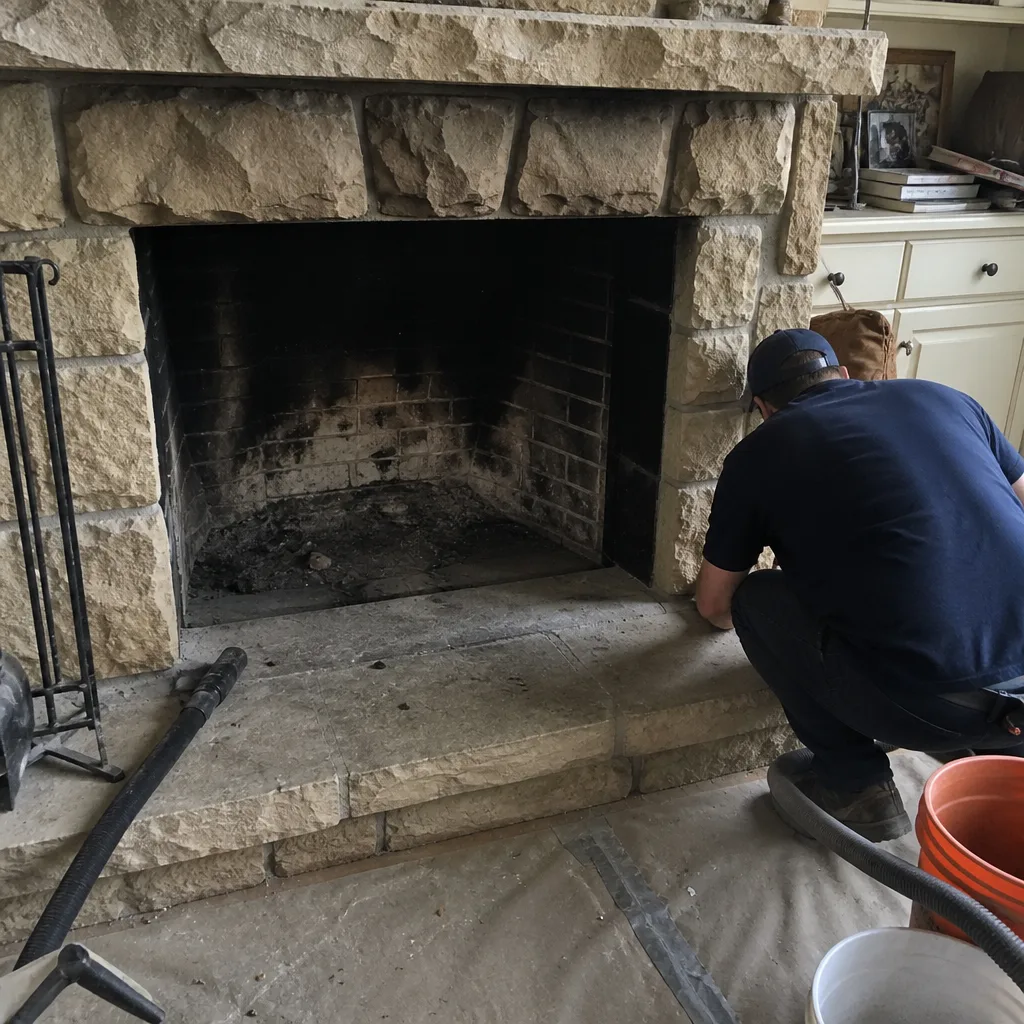 Before
 After
 Before
 After
When to Call a Professional
Call a professional when you can’t see the inside of your flue, when you’ve never had it inspected, or when you suspect a change you can’t diagnose. If your wood smoke doesn’t draft the way it used to, if you see cracks at the crown, if you smell creosote on a warm day, or if a gas appliance has been burning on a flue that’s never been evaluated, that’s a professional call. The safety stakes are real: a failed liner or a cracked crown allows water into the masonry, and an untreated glazed deposit raises the risk of a chimney fire, while a blocked or damaged flue on a gas appliance can let carbon monoxide back into the house instead of out of it. These aren’t reasons to panic; they’re reasons to have the system looked at by a trained professional rather than guessed at. Provo Chimney Sweep Pros offers free estimates in Provo, and our technicians work with camera inspection and a photo report so you can see what the flue actually looks like before any product is recommended. Call (866) 937-8214. We answer 24/7. Fast dispatch from 7am to 7pm, Sunday through Friday.
Frequently Asked Questions
A cleaning brand usually refers to the products used during a sweep, while the product brands that matter most are the liner systems, sealers, caps, and treatments installed on your chimney. The brands a contractor installs are the ones that determine how long the work lasts, so the install products deserve more scrutiny than the cleaning supplies. DuraFlex, HeatShield, Gelco, Olympia Chimney, Famco, and Copperfield all fall in that install-and-materials category in our work. Call (866) 937-8214 for an exact quote on any product you’re considering; estimates are free.
316L is the better choice for gas and oil appliance flues, while 304 is standard for wood-burning applications. The difference is the molybdenum in 316L, which resists the acidic condensate that forms in gas flues. For wood, 304 is generally appropriate and often the right call. The fuel type and the appliance should drive the alloy choice, not availability on the truck. Call (866) 937-8214 to have the alloy question answered for your specific flue before you commit; estimates are free.
A crown needs a sealer when it’s structurally sound but the surface is weathered; it needs a rebuild when it’s cracked through, separated, or sloped the wrong way. The evaluation comes from looking at the crown directly, which is why inspection precedes any product recommendation. A coating applied to a failing crown will crack along the same lines within a season. Our technicians can tell you which category you’re in from a roof-level look. Call (866) 937-8214 for an exact quote; estimates are free.
HeatShield restoration can spare you the cost of a full liner replacement when the existing flue is sound but its inner surface has deteriorated. The savings come from resurfacing rather than tearing out and relining, and the job only makes sense when the inspection shows the structure can carry the restoration. Not every flue qualifies, and a contractor who recommends it without showing you why isn’t giving you a reason to trust the recommendation. Call (866) 937-8214 to find out whether your flue is a candidate; estimates are free.
No, most chimney products are tested to national standards that don’t fully capture Provo’s combination of high-altitude UV, repeated freeze-thaw, and alkaline water. That’s why a professional-grade product with a long service rating matters more here than it does in a milder climate. The two-winters test is the real one, and hardware-store patches usually fail it. Our technicians have up to 10 years of experience with these products in this climate. Call (866) 937-8214 for an exact quote; estimates are free.
They can if the contract allows it, which is why the materials list needs to name the exact product, alloy, and gauge before you sign. A vague term like “high-quality liner” is what opens the door to substitution; a named product closes it. If the proposal can’t name the brand, ask for a revised version that does. Call (866) 937-8214 for a free estimate with a named-materials list you can review before anything is scheduled.
The Bottom Line
The brand on the product matters because the conditions in Provo are hard on chimneys and the gap between a professional-grade product and a cheap substitute shows up within a season or two. Ask which specific product goes where, match the alloy to the fuel, and demand a materials list that names the brand, the application, and the prep. A focused chimney specialist can answer all three without hedging; a generalist can’t. From firebox to flue cap, the goal is a safe draft and a sound structure, and the way to get there is to see the condition first and choose the product second. That’s the whole guide in one line.
If you’re ready to have your flue evaluated by a team that works with DuraFlex, HeatShield, Gelco, Olympia Chimney, Famco, and Copperfield materials, we’re glad to help. Call (866) 937-8214 for a free estimate. We answer 24/7. Fast dispatch from 7am to 7pm, Sunday through Friday. For nearby homeowners across Utah County, our chimney repair and inspection services cover the same full-system approach you’ve read about here.
Written by the team at Provo Chimney Sweep Pros.