
Last updated November 25, 2026
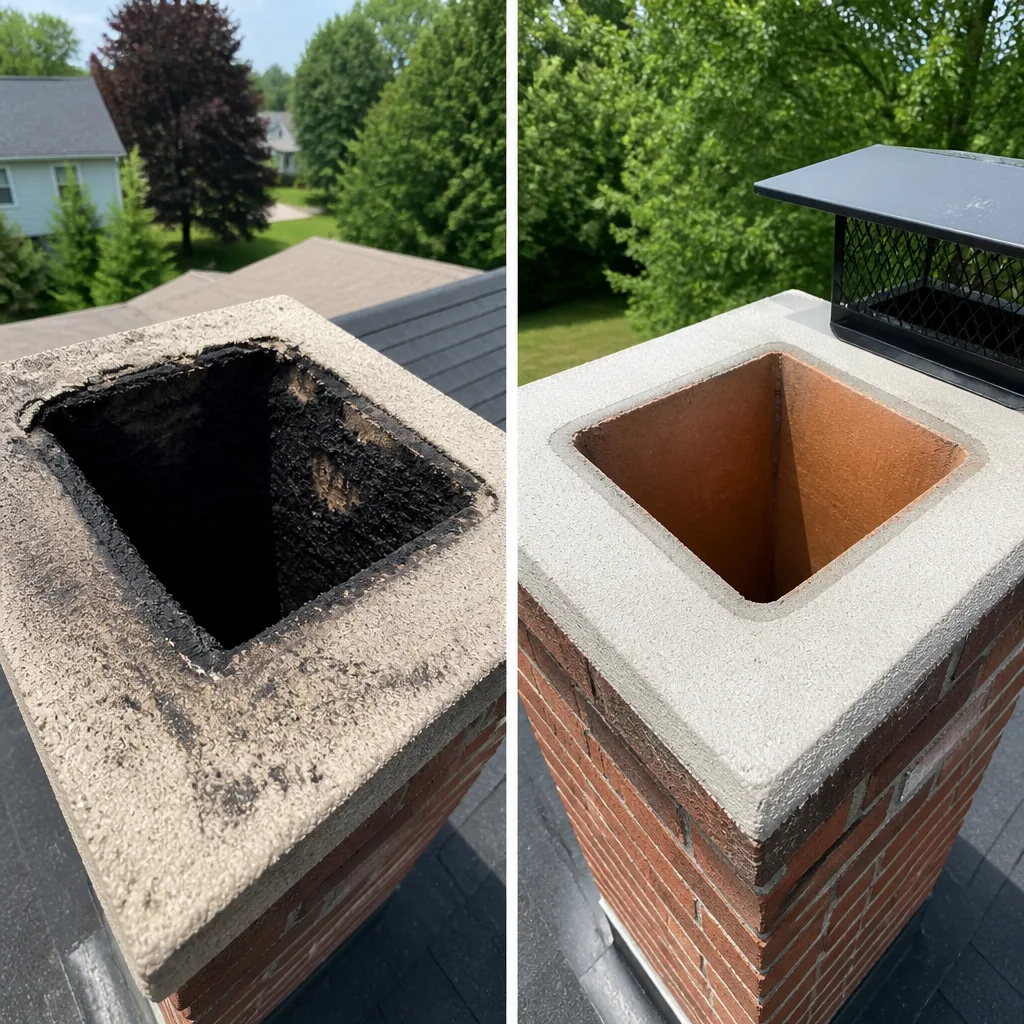 Sweep & inspection
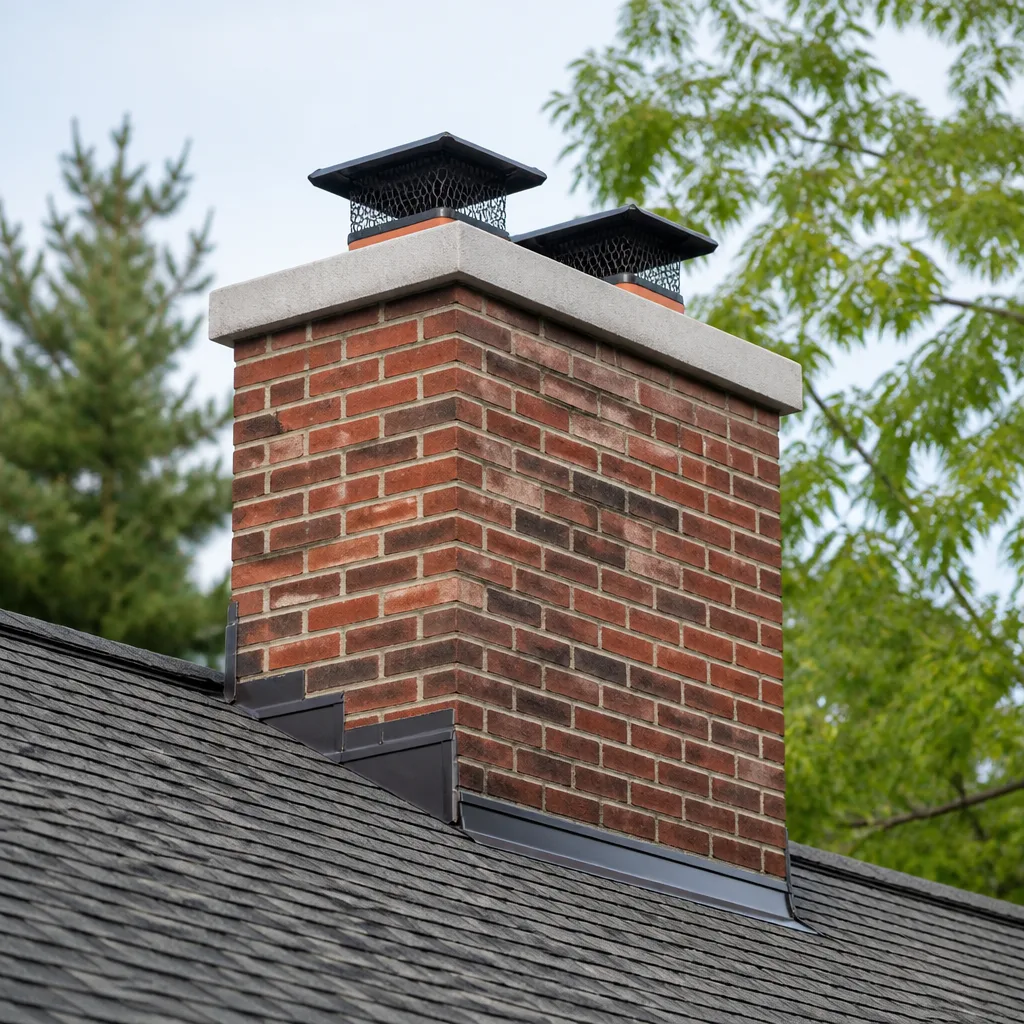 Caps & crowns
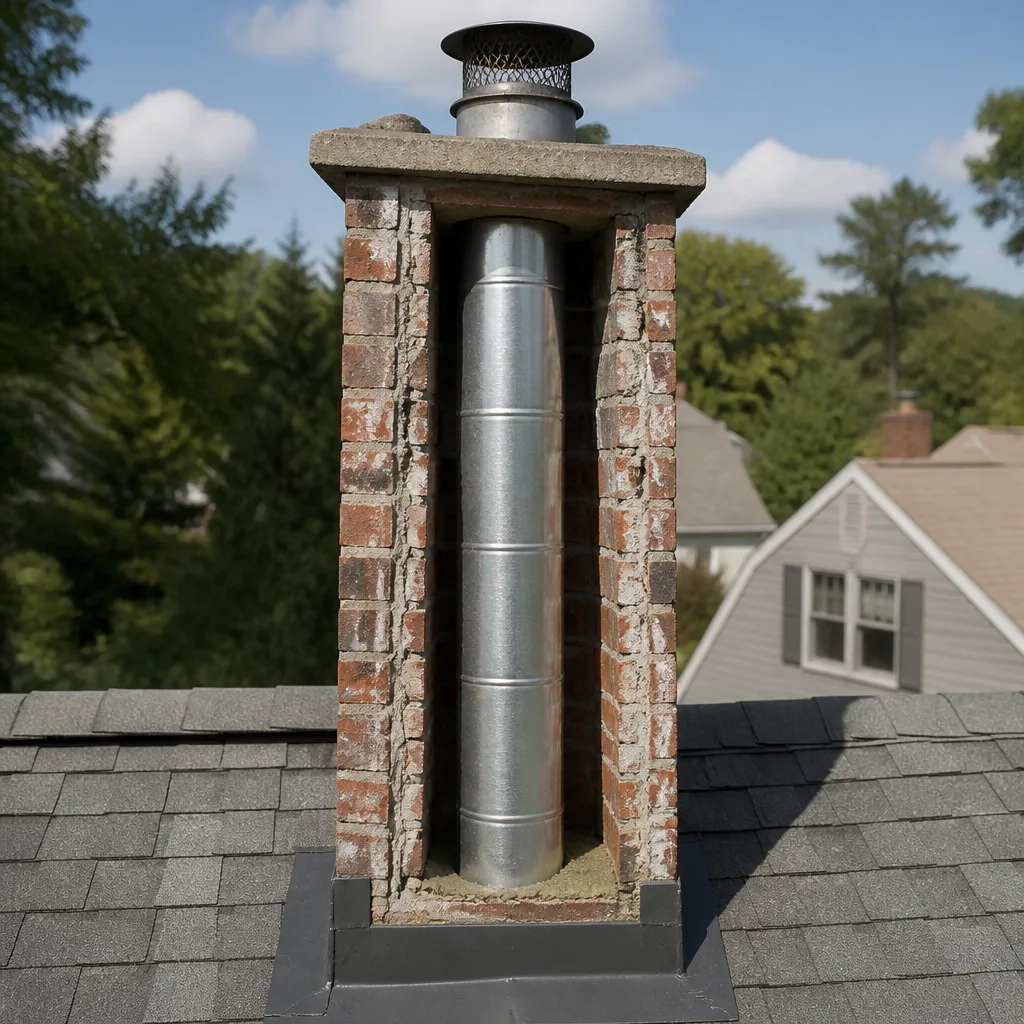 Flue relining
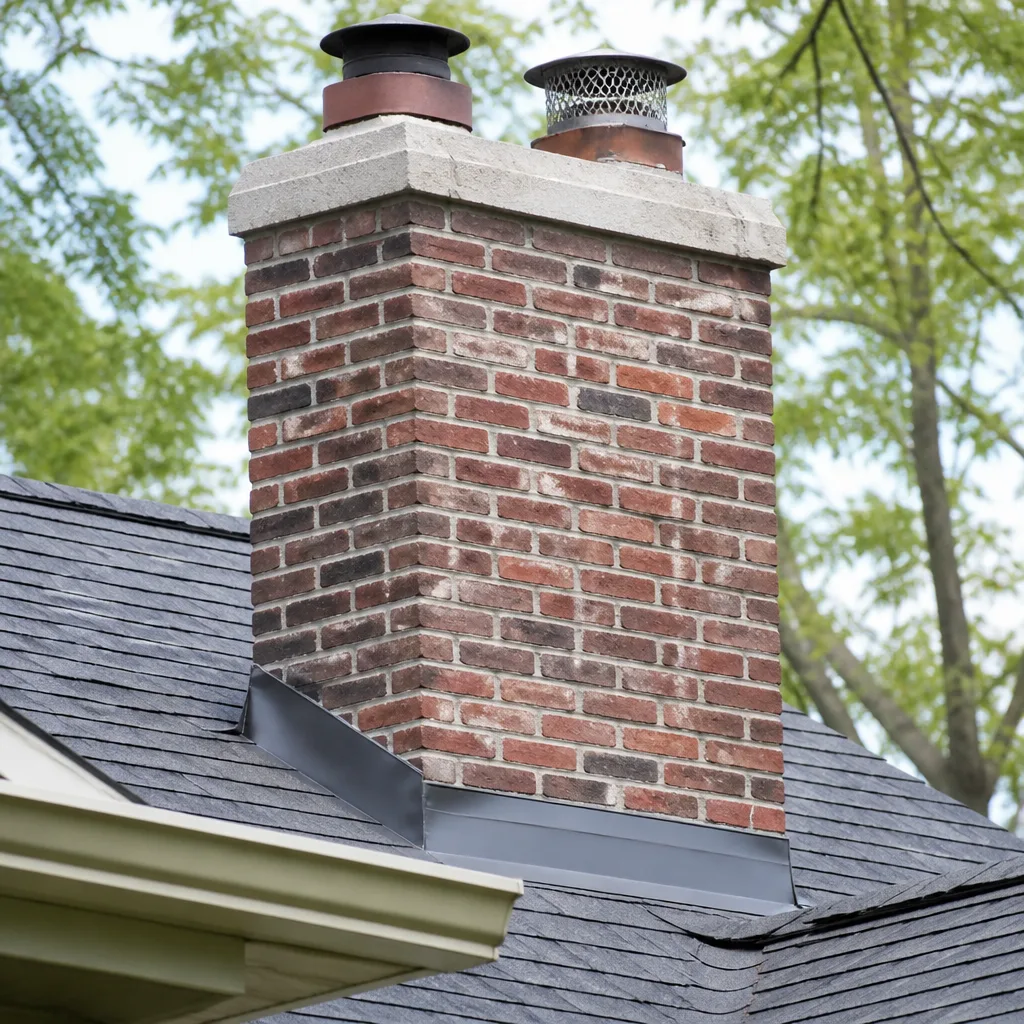 Masonry repair
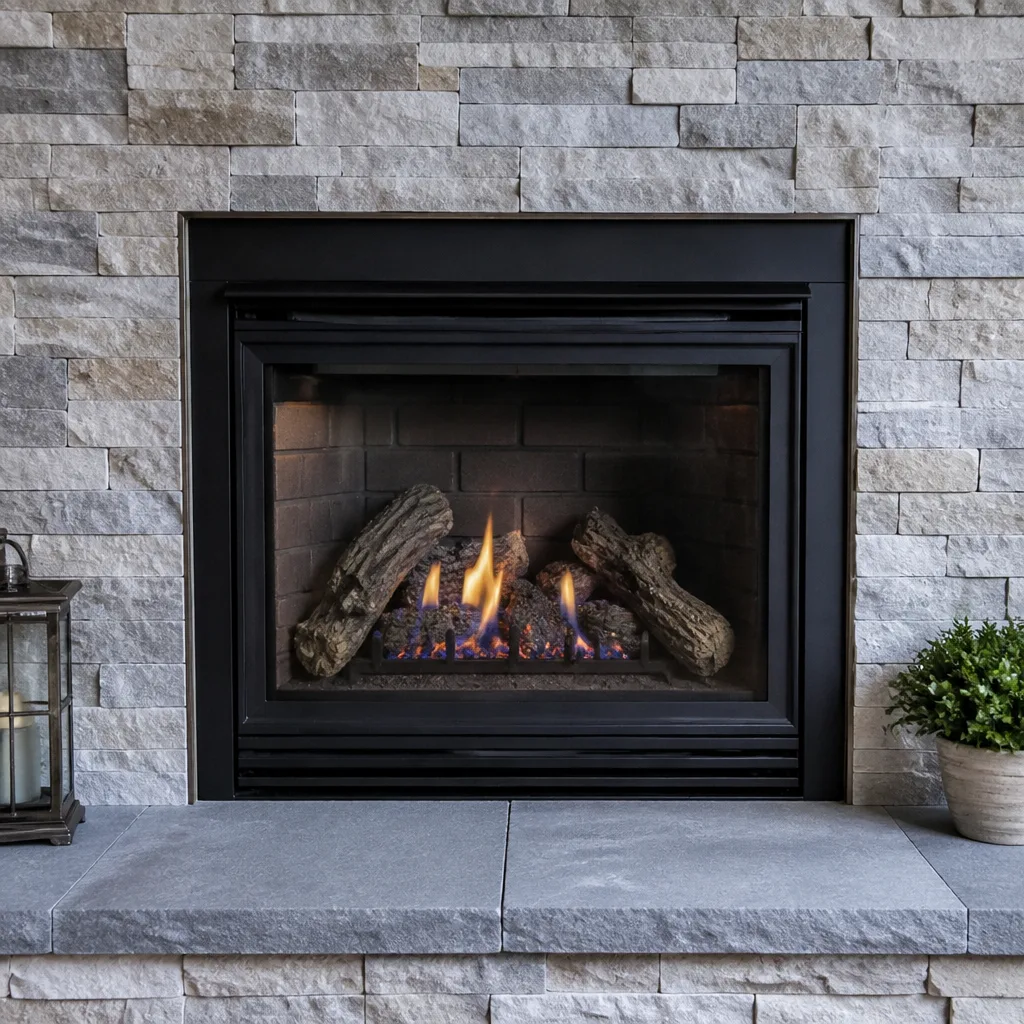 Gas fireplace service
Level 1 sweep and inspection to the NFPA 211 annual standard - flue, crown, cap, and flashing checked and photographed
Chimney sweep logs do not sweep chimneys. They loosen some creosote - which then falls where a brush and vacuum still have to collect it.
Chimney Cleaning Cost Breakdown: The Provo Homeowner’s Reference for 2026
A $99 chimney sweep in Provo and a $350 chimney sweep in Provo can both be fair prices, for completely different scopes of work. That’s the part most quotes don’t explain. One number is a brush-and-vacuum job on a flue someone already inspected; the other includes a camera run, a hazard check, and a written picture of what your system actually looks like inside. The gap between them isn’t greed or generosity. It’s scope. This reference assigns real 2026 ranges to each line item, explains how fuel type changes the job, and shows you how to read a quote against what’s included so you can tell a fair price from a cheap one.
Quick Answer
A standard Level 1 chimney sweep in Provo typically runs $150 to $280 in 2026, and a Level 2 video inspection adds roughly $125 to $250. A sweep bundled with a Level 2 inspection is the most common combined package at $275 to $500. Gas insert cleaning usually lands at the lower end, wood-burning fireplaces in the middle, and pellet stoves at the higher end because of the extra disassembly. Add-ons like creosote treatment, caps, and crown coats each have their own range, and we walk through every one below.
Styles & brands we work with
- Sweep & inspection
- Caps & crowns
- Flue relining
- Masonry repair
- Gas fireplace service
Table of Contents
- Line-Item Price Ranges for Provo in 2026
- How Fuel Type Changes Your Cleaning Cost
- Why the Inspection Line Item Matters More Than the Sweep
- Legitimate Add-Ons vs. Common Upsells
- Creosote Treatment: ACS, Poultice, and What They Do
- Calculating True Cost-Per-Year
- What Drives Price Variation Between Provo Contractors
- Caps, Crowns, and the Rest of the System
Line-Item Price Ranges for Provo in 2026
Here’s the full picture of what each service actually costs in the Provo market this year. These are typical estimates, not quotes. The written estimate sets the final price, and scope, roof access, flue condition, and fuel type all move the number within these ranges.
| Service | Typical 2026 Provo Range | What’s Included |
|---|---|---|
| Level 1 chimney sweep (wood-burning) | $150 – $280 | Brush and vacuum of accessible flue, firebox cleanout, basic visual check |
| Level 1 chimney sweep (gas insert) | $120 – $220 | Disconnect flue, brush and vacuum, visual check, reconnection |
| Level 1 chimney sweep (pellet stove) | $200 – $340 | Partial disassembly, flue brush, exhaust vent clean, ash trap |
| Level 2 video inspection | $125 – $250 | Camera run of the full flue, photo report, hazard assessment |
| Combined sweep + Level 2 | $275 – $500 | Both of the above in one visit, camera evidence included |
| Dryer vent cleaning | $110 – $190 | Full vent run brush and vacuum, lint trap check |
| Creosote treatment (ACS or Poultice) | $175 – $400 | Chemical agent applied to glazed creosote, follow-up sweep often needed |
| Chimney cap replacement | $180 – $450 | Removal of old cap, install of new cap (single or multi-flue) |
| Crown coat application | $350 – $700 | Cleaning, prep, and application of crown sealing material |
Notice the wide bands. A crown coat at $350 and a crown coat at $700 are both legitimate, depending on crown size, access, the number of flues, and whether the existing crown needs repair before the coat goes on. In Provo, single-story homes with easy roof pitch sit near the low end; two-story homes and steeper pitches sit higher. Chimneys on the older housing stock near downtown Provo often present irregular mortar joints that take longer to prep than newer builds out toward the east bench.
If you’re only booking the sweep right now, that’s fine. But read the inspection section before you ignore the middle of the table. It’s the line item that decides whether your sweep was sufficient.
How Fuel Type Changes Your Cleaning Cost
Wood, gas, and pellets are three different cleaning jobs with three different tool sets, and the price spread between them in Provo reflects real time and real risk. A technician who only knows wood-burning fireplaces will either decline a pellet stove or do a shallower job than it needs. This is one of the reasons we focus on chimney systems exclusively rather than splitting attention across other trades.
Wood-burning fireplaces
Wood is the highest-creosote fuel. The flue gets brushed with a rotary or standard brush depending on buildup, the firebox and smoke shelf are vacuumed out, and the technician confirms the damper and throat are clear. In Provo’s dry, high-desert climate, firewood dries fast on the stack side but burns hot and fast in the firebox, which can deposit creosote differently than the slow-burn pattern common in wetter regions. Expect $150 to $280 for the sweep itself.
Gas inserts
Gas inserts are the least labor-intensive to clean, but they need careful disconnection and reconnection of the flue and venting, and the technician has to know the manufacturer’s sequence. Done wrong, the reconnection can create a draft problem that’s costlier to fix than the cleaning. In Provo, gas inserts are common in newer builds and in remodels of older homes. Expect $120 to $220.
Pellet stoves
Pellet stoves have the highest labor load per cleaning. Partial disassembly, exhaust vent brushing, ash trap cleaning, and a flue run all take time, and the exhaust venting often has elbows or a horizontal run that needs specialized tooling. Provo homes that use pellet as a primary heat source often need cleaning more frequently than wood-burning homes. Expect $200 to $340.
One more fuel type worth flagging: if you’ve converted a wood fireplace to gas logs or a gas insert, the flue still needs servicing. “It’s gas, so there’s nothing to clean” is one of the most common assumptions we hear, and it leads to skipped inspections on a system that can still build up debris from the burning process. The cleaning cost is lower. The risk of skipping it is not.
Why the Inspection Line Item Matters More Than the Sweep
The sweep cleans. The inspection answers whether cleaning was enough. A chimney sweep removes what’s in the flue today. A Level 2 video inspection, aligned with NFPA 211 standards, shows the camera evidence of cracks, gaps at flue tile joints, liner deterioration, and hidden creosote glazing that a brush-and-vacuum job misses. In our experience, the single most important line item on a Provo chimney quote is the inspection, and the cheapest quotes usually leave it out.
Here’s what a Level 2 inspection covers and why it costs what it costs:
- Camera run of the full flue from top to firebox, with the technician watching the live feed
- Photo report of any cracks, gaps, missing mortar, or debris
- Assessment against NFPA 211 criteria for the system type
- Check of the crown, cap, flashing, and masonry at the roofline
- Written findings you keep, regardless of whether you book any repair
The photo report is the key. You don’t need to trust a verbal description of what was found; you can look at the pictures yourself and compare the technician’s recommendation to what the camera shows. We won’t recommend a repair that isn’t backed by camera evidence you can see. That’s the whole point of paying for the inspection separately rather than accepting a bundled “free” version that doesn’t include a camera.
The 2026 cost of a Level 2 inspection alone in Provo runs $125 to $250. Bundled with a sweep, the pair is often $275 to $500, because the technician is already on the roof and inside the firebox. If a quote bundles a “sweep and inspection” for under $180, ask specifically whether the inspection uses a camera and includes a photo report. If the answer is no, it’s a visual check only, not a Level 2.
Legitimate Add-Ons vs. Common Upsells
Some add-ons are real services that protect your system. Others get tacked onto a cleaning ticket to lift the total. Here’s how we sort them in Provo.
Legitimate services you might genuinely need
- Level 2 video inspection – if you’ve never had one, or it’s been more than a few years, this is the single highest-value add to a cleaning visit.
- Creosote treatment – glazed, tar-hard creosote won’t come off with a brush. A chemical agent like ACS or a Poultice treatment is the correct answer for that second or third-degree buildup.
- Cap replacement – a missing or damaged cap lets rain, snowmelt, birds, and debris into the flue. In Provo’s lake-effect and Wasatch weather, an open flue takes on water every storm.
- Crown coat application – a cracked crown lets water run into the masonry and degrade it from inside. Sealing it is cheaper than repairing a chimney stack later.
- Dryer vent cleaning – not chimney work, but commonly bundled with a visit since it’s adjacent and lint buildup is a real fire hazard.
Upsells that may not be warranted on your system
- Full liner replacement when restoration would do – HeatShield restoration can bring a deteriorated clay flue back to service in many cases, at a fraction of the cost of a full reline. Ask whether restoration is an option before you accept a liner replacement quote.
- Masonry rebuild when repointing suffices – if the camera or the top-of-stack inspection shows sound brick with cracked mortar joints, repointing is usually the right first move.
- Annual crown coat – a crown in good condition doesn’t need to be recoated every year. If your technician can’t show you the crack or wear, it can wait.
- Pressure-washing or chemical washing of exterior masonry – rarely necessary, and can damage soft older brick.
- Rotor-vane sweeping on a clean flue – the aggressive rotary system is right for heavy buildup, not for a flue that was swept last year and only has light ash.
The test for any add-on is simple. Ask the technician for the camera evidence or the physical observation that justifies it. A reputable one will show you. If they can’t, the recommendation doesn’t need to happen today, and in many cases doesn’t need to happen at all.
Creosote Treatment: ACS, Poultice, and What They Do
Creosote is the reason chimney fires happen. It’s the tar-like residue that deposits on the flue walls as wood smoke cools, and it comes in three grades. First-degree is soot and light fluff, removable with a standard brush. Second-degree is flaky and harder, still removable but with more effort. Third-degree is glazed, hard, and tar-like, and a brush alone will not touch it. This is where chemical treatment enters the quote.
Two products we work with are ACS and Poultice. ACS (Anti-Creosote System) is a chemical product that, when applied to glazed creosote, causes the deposit to expand and flake off so it can then be swept out. It often requires multiple applications over a period of time and a follow-up sweep. The Poultice method applies a paste-like agent that draws the creosote out through a controlled chemical reaction, and is used in cases where ACS alone won’t do it. Both are aggressive enough that a technician has to prepare the firebox and protect the surrounding surfaces before applying them.
Typical 2026 Provo cost runs $175 to $400 depending on the flue length and the extent of glazing, and the follow-up sweep is usually priced separately. That’s a real number, not an upsell tactic, and it’s often cheaper than the liner replacement that a glazed flue would eventually need. If a technician recommends creosote treatment and can show you the glazed deposit on the camera, the recommendation is legitimate. If they recommend it without a camera, ask for one.
Calculating True Cost-Per-Year
A chimney sweep quote only tells you what today costs. The number that matters is cost per year over the life of your system, and that calculation flips the cheap-versus-fair argument on its head. Here’s how it works out in practice.
- Add up what you actually spend on routine service annually. For a wood-burning fireplace in Provo, that’s usually one sweep and a Level 1 visual each year, plus a Level 2 every few years, which averages out to roughly $200 to $350 per year for most homes.
- Add up what you spend on repairs. A small flue tile crack or a hairline crown crack caught early might be a $400 to $800 repair. The same crack left two or three years often becomes a $2,000 to $5,000 liner or masonry job.
- Add up what you spend on water damage. A failed cap or cracked crown that lets snowmelt in through a Provo winter can turn into masonry repair that starts at several thousand dollars, because water in masonry repeatedly freezes and opens the joints.
- Total it. Homes that sweep and inspect on schedule tend to spend roughly a third of what homes that defer service spend over a decade, because the deferral pattern pushes them into one or two large repairs instead of many small preventive ones. These aren’t hard numbers, but the pattern is consistent enough that we treat it as the default recommendation.
There’s also the safety column, which doesn’t have a dollar figure attached. A glazed flue is a chimney fire waiting for the right hot burn. A cracked flue tile is a path for carbon monoxide to reach the living space. Neither of those becomes more expensive to prevent by waiting, but both become far more expensive to recover from. A free estimate costs nothing and it lets you see whether your current schedule is fine or overdue. That’s the cheapest diagnostic step available.
What Drives Price Variation Between Provo Contractors
Two Provo chimney contractors quote very different prices for what looks like the same sweep. Four factors usually explain the gap.
Certification and specialization overhead
A chimney specialist carries the training, insurance, and continuing education that a general handyman doesn’t. That overhead shows up in the price, and it’s usually the difference between a technician who recognizes a venting defect at the insert connection and one who just runs a brush up the flue and collects a check. We’d rather you pay for specialization than for the repair that follows a generalist’s miss.
Equipment quality: rotary vs. standard brushes
Standard brushes are polypropylene or wire brushes on rods. They’re effective on regular soot and first-degree creosote. Rotary systems are motor-driven spinning heads that handle heavy buildup and irregular flue shapes. Rotary equipment costs more, takes longer to set up, and requires more operator skill, but it’s the right tool for a glazed flue. A contractor who only uses standard brushes will quote a lower price and either decline the tough job or do a shallower version of it. Ask what system will be used and why.
Disposal procedures for creosote
Creosote is a hazardous material. Handled properly, it’s bagged and disposed of according to local rules, and the vacuum system uses HEPA filtration to keep the fine soot out of the air in your home. Contractors who skip the HEPA step or dump the debris in the yard are cheaper for a reason. The visible evidence of proper procedure is the containment setup in your firebox and the sealed vacuum system, and it’s fair to ask about both.
Provo-specific factors
Roof access matters more in Provo than most homeowners realize. Home pitches along the east bench and up towards Rock Canyon run steeper than the flat lots near downtown, and a steeper pitch means more setup time, more safety gear, and a higher quote for the same flue. Age of the home matters too. Older stock often has smaller flues with irregular tile joints that take more time to brush and inspect than newer construction with smooth, uniform liners. Neither factor is a trick. They’re just the honest local variables.
Caps, Crowns, and the Rest of the System
Cleaning is one moment in the life of a chimney system. Between cleanings, the cap and crown do the actual work of keeping the flue dry and the masonry sound, and they’re the two components most often missing or damaged in Provo homes. A cap is the metal or mesh cover over the flue top. A crown is the concrete or mortar slab that seals the top of the chimney stack and slopes water away from the flue.
When a cap is missing, rain and snowmelt enter the flue directly, and the flue’s interior stays damp. When a crown is cracked, water seeps into the masonry from above and freezes in winter, opening the crack wider each season. The result is spalling brick, deteriorating mortar, and eventually a stack repair that dwarfs the cost of a crown coat. In Provo’s winter, with repeated freeze-thaw cycles, an uncapped or uncoated chimney deteriorates noticeably faster than the same chimney in a mild climate.
Cap installation typically runs $180 to $450 in Provo depending on the cap type and the number of flues. Crown coat application runs $350 to $700. Both are preventive line items, not fixes for a problem that’s already out of hand. If your cap is intact and your crown is sound, the technician should say so and move on. Both chimney repair and crown work sit squarely inside what a full-system specialist handles, so you’re not coordinating two contractors for what is a single chimney.
When it comes to liner work, we work with brands like DuraFlex for new liner systems and HeatShield for restoration of existing flues that haven’t fully failed. Both are recognized names in the trade, and both let us match the material to the actual condition rather than defaulting to a full replacement on every deteriorated flue. A fireplace repair and a flue liner decision often arrive on the same visit, and it’s easier for one team to see them together.
Common Mistakes to Avoid
- Accepting the cheapest sweep without asking about inspection scope. The $99 sweep on your Provo home is often a brush-and-vacuum with a glance up the flue. It cleans, but it doesn’t tell you whether cleaning was enough. Ask specifically what’s included before you book.
- Booking a sweep without a camera inspection in the package. If you’ve owned the home for years and never had a Level 2, the sweep is the smaller item. The camera run is where the answers are.
- Accepting a liner replacement quote without asking about restoration. HeatShield restoration handles many deteriorated flues at a fraction of the cost of a full liner. It’s not right for every case, but it should be on the table for every quote.
- Skipping the cap and crown because the cleaning looked fine. Cleaning protects today. Cap and crown protect the next several winters, and Provo’s freeze-thaw cycle punishes missing parts of the system quickly.
- Assuming a gas insert doesn’t need cleaning or inspection. Gas inserts still need the flue and venting checked, and the connection at the insert is a common failure point. “It’s gas” is a skip-inspection assumption that we see lead to avoidable repair.
- Waiting for visible smoke or smell before booking. By the time a draft problem or a creosote hazard is obvious from inside the house, the fix is usually larger than the routine cleaning that would have caught it. Camera evidence is the only reliable early warning.
- Assuming a bundled quote is a covered inspection. Ask whether the inspection uses a camera and includes photos. If it doesn’t, the “inspection” on the quote is a visual check, and the price reflects that.
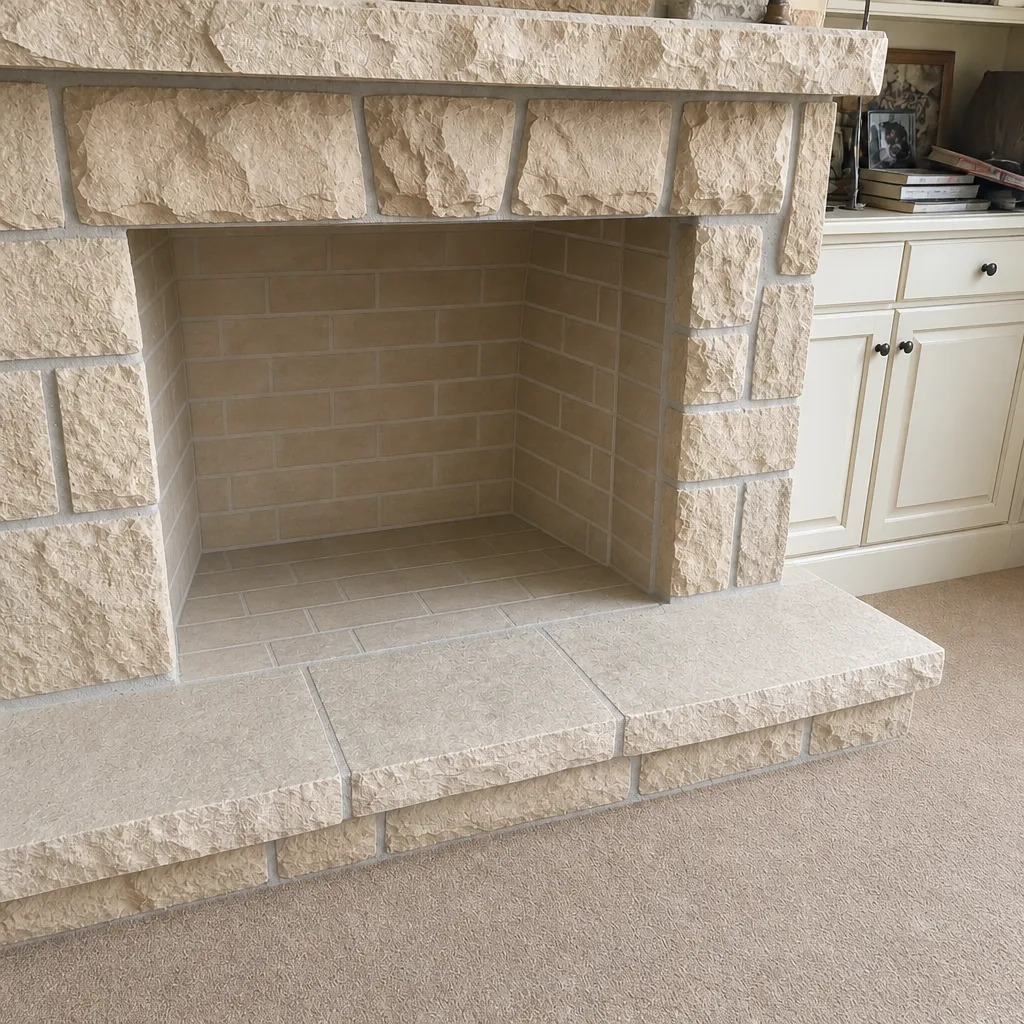
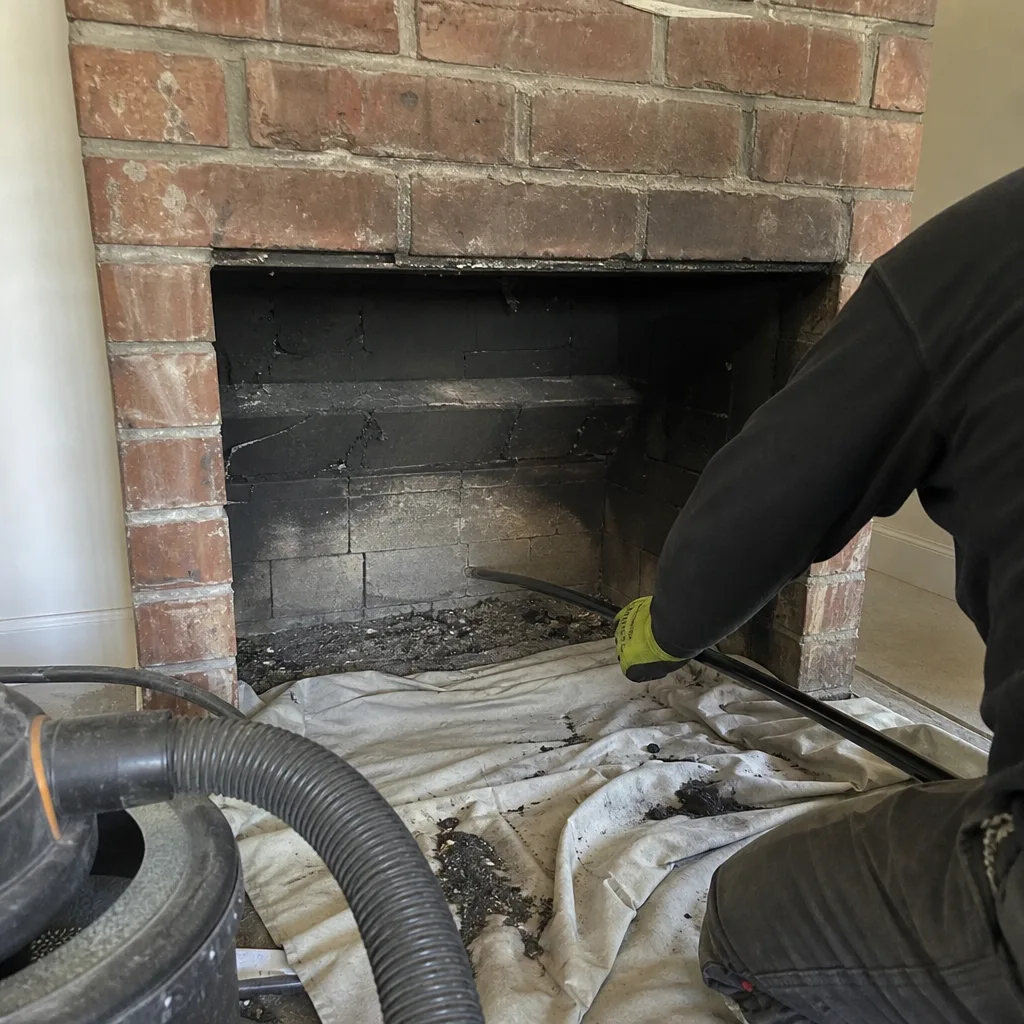
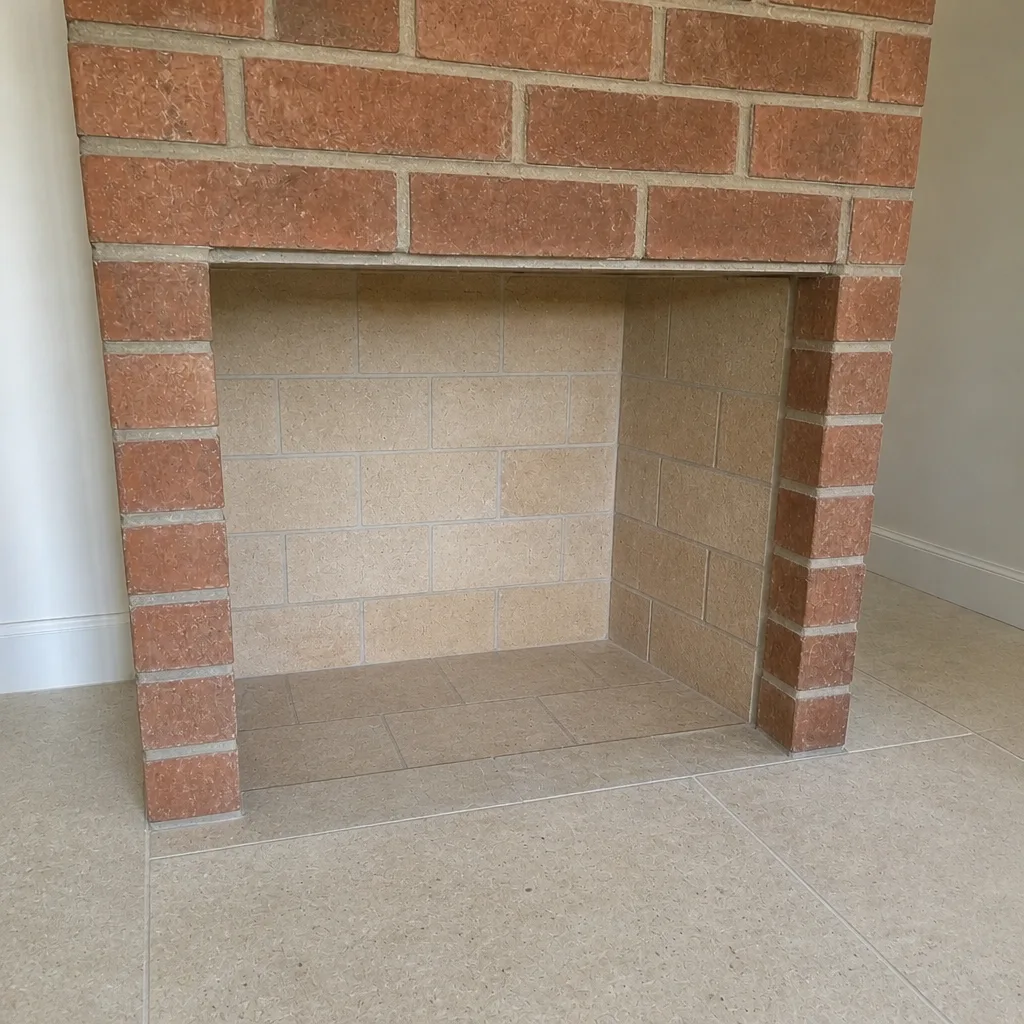
See the difference
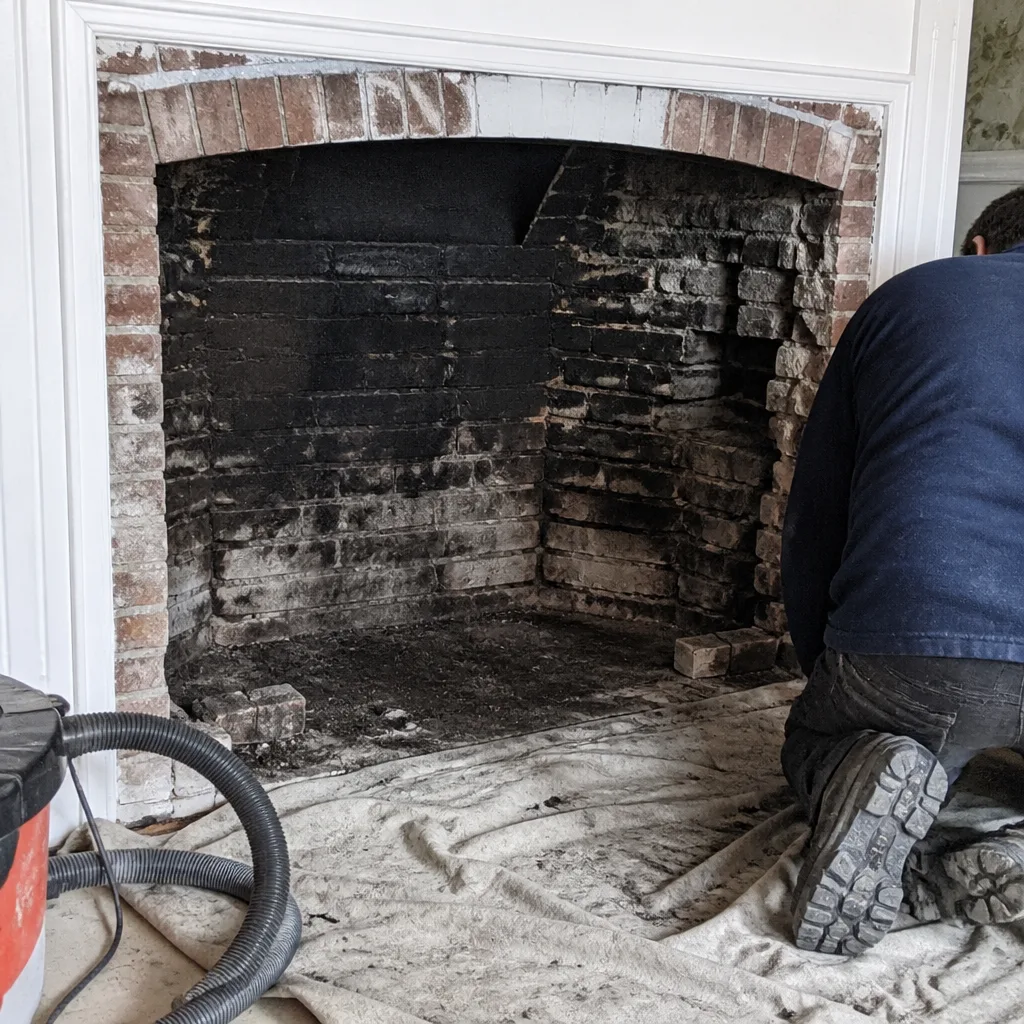 Before
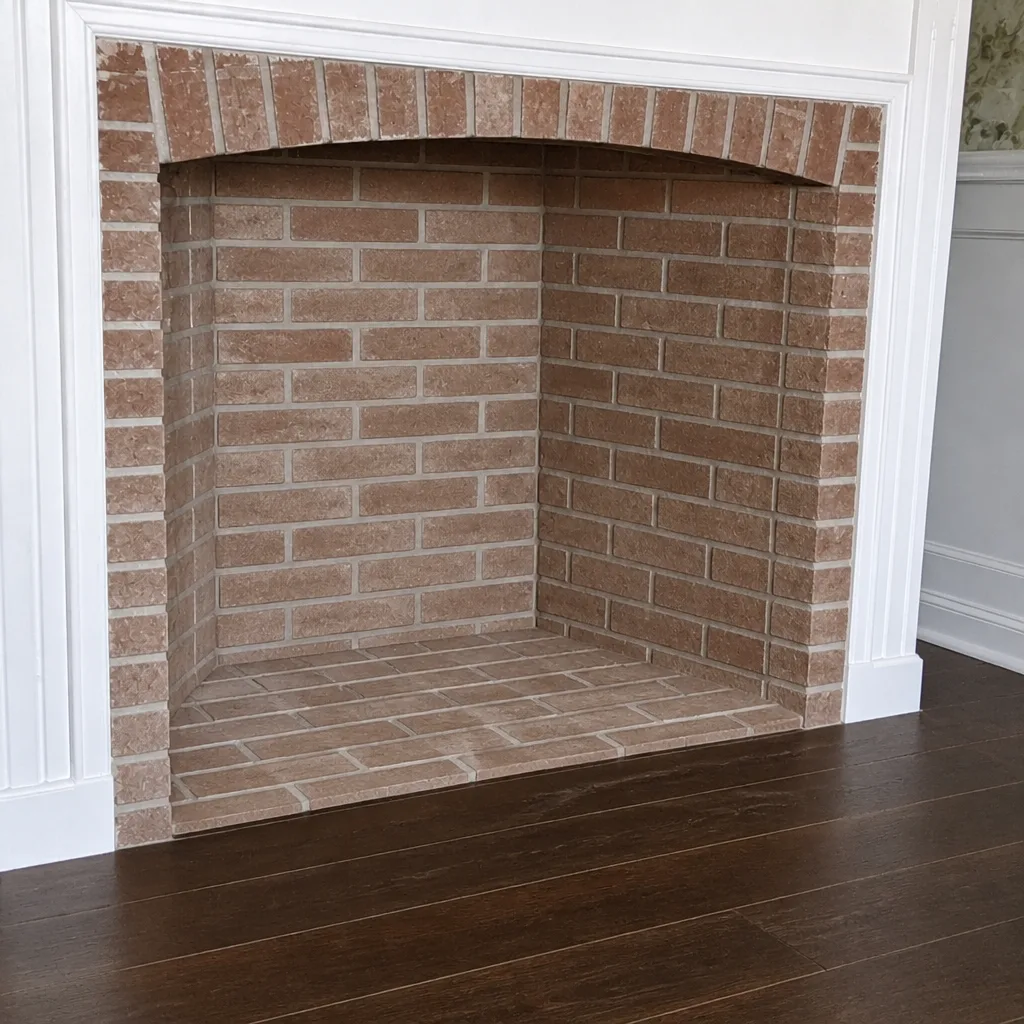 After
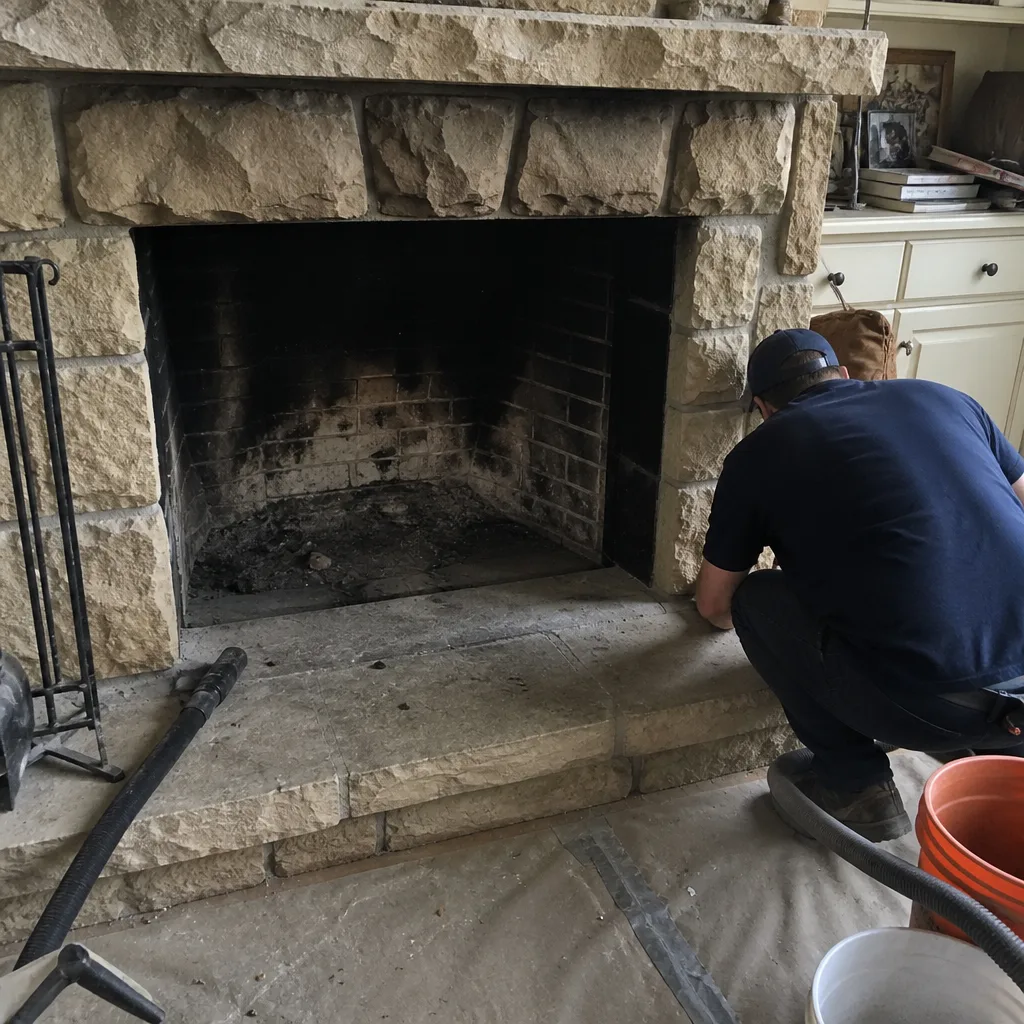 Before
 After
 Before
 After
When to Call a Professional
Some situations clearly need a trained technician on site. If you’ve never had your chimney inspected, or you can’t remember when it was last done, book a sweep plus Level 2. If you burn wood regularly through a Provo winter, annual sweeps are the baseline, and more often if you’re burning green or unseasoned wood. If you smell smoke in the house when the fireplace isn’t lit, notice a draft that pulls the wrong direction, or see staining on the exterior masonry near the flue, those all point to a venting or structural issue the camera needs to see. If you’ve had a chimney fire, even a small one you got under control quickly, do not assume it’s fine; the flue needs a camera inspection before the next fire. Provo Chimney Sweep Pros offers free estimates in Provo, and we answer 24/7. Call (866) 937-8214 for a written estimate and a clear scope of what your system actually needs before you book.
Frequently Asked Questions
A Level 1 chimney sweep in Provo typically runs $150 to $280 for a wood-burning fireplace in 2026. Gas insert cleaning usually lands at $120 to $220 and pellet stove cleaning at $200 to $340, because of the added disassembly work. These are typical ranges; the written estimate after a technician sees your flue sets the final price. Call (866) 937-8214 for an exact quote, and estimates are free.
It’s real work, usually a brush-and-vacuum of the flue and firebox without a camera inspection. That can be a fair price for a clean flue that only needs routine brushing. The problem is that a $99 sweep won’t tell you whether the flue has a deeper problem the cleaning missed. Ask what’s actually included before you book, and remember that a Level 2 camera inspection is the line item that answers the “is my chimney safe” question. Call (866) 937-8214 to book a sweep with camera inspection included.
A sweep cleans; a Level 2 inspection answers whether cleaning was enough. If you’ve never had a camera run, or it’s been several years, book one alongside the sweep. Cracks at flue tile joints, hidden glazed creosote, and venting defects at gas insert connections don’t show up on a visual check from the firebox. The camera is the difference between a clean flue and a verified-safe one. Call (866) 937-8214 for pricing that includes the camera and photo report.
Chemical creosote treatment, using products like ACS or Poultice, typically runs $175 to $400 in Provo depending on the flue length and how much glazing is present, with a follow-up sweep priced separately. It’s a legitimate service when the camera shows second or third-degree creosote, and it’s often cheaper than the liner replacement a glazed flue would eventually need. Call (866) 937-8214 and we’ll tell you whether your flue actually needs treatment.
Because they’re quoting different scopes. The lower quote is usually a brush-and-vacuum without a camera inspection, and the higher quote typically includes the Level 2 inspection and photo report. Other factors include the brush system used (standard vs. rotary), HEPA vacuum and containment setup, and roof access on a steep Provo pitch. Ask each contractor to spell out what’s included in writing so you’re comparing scopes, not just totals. Call (866) 937-8214 for a written scope you can compare.
Once per year for a wood-burning fireplace seen regular use, and more often if you burn frequently or use unseasoned wood. Pellet stoves typically need more frequent service than gas inserts, and gas inserts still need an annual check even though they build up less creosote. The only reliable way to know your own interval is the camera: it shows how quickly your flue builds up. Call (866) 937-8214 for a free estimate and a schedule that fits how you actually burn.
The Bottom Line
The 2026 Provo chimney market prices a level of service, not a brand. A $150 sweep and a $340 sweep can both be honest quotes for different scopes. Use this reference to line up the scope first, then compare the number: a Level 1 sweep at $150 to $280, a Level 2 video inspection at $125 to $250, and the combined package at $275 to $500 are the three that matter most. Add-ons like creosote treatment, cap replacement, and crown coat are legitimate when the camera or the roof inspection shows they’re needed, and skippable when they aren’t. Get the written scope, look at the photo report, and treat the sweep as one line in the cost-per-year calculation, not the whole number.
Provo Chimney Sweep Pros is a full-system chimney specialist working from firebox to flue cap with material brands including DuraFlex, HeatShield, Gelco, and Copperfield. Our technicians have up to 10 years of experience, and we cover sweeping, inspection, fireplace repair, chimney repair, and cap and crown installation as a single scope you don’t need to coordinate across multiple contractors. See what we do at Provo Chimney Sweep Pros, or call (866) 937-8214 for a free estimate. We answer 24/7, and fast dispatch runs from 7am to 7pm, Sunday through Friday.
Written by the team at Provo Chimney Sweep Pros.